BBQ brings people together like few other traditions, but the choice between gas and charcoal grilling has sparked plenty of friendly debates in backyards everywhere. If you’re into barbecue mostly for the flavors, it pays to know how your grill choice can change the taste of your food.
I’m going to break down the flavor side of this popular grill showdown, so you know exactly what you’re getting, no matter what you fire up on your patio.
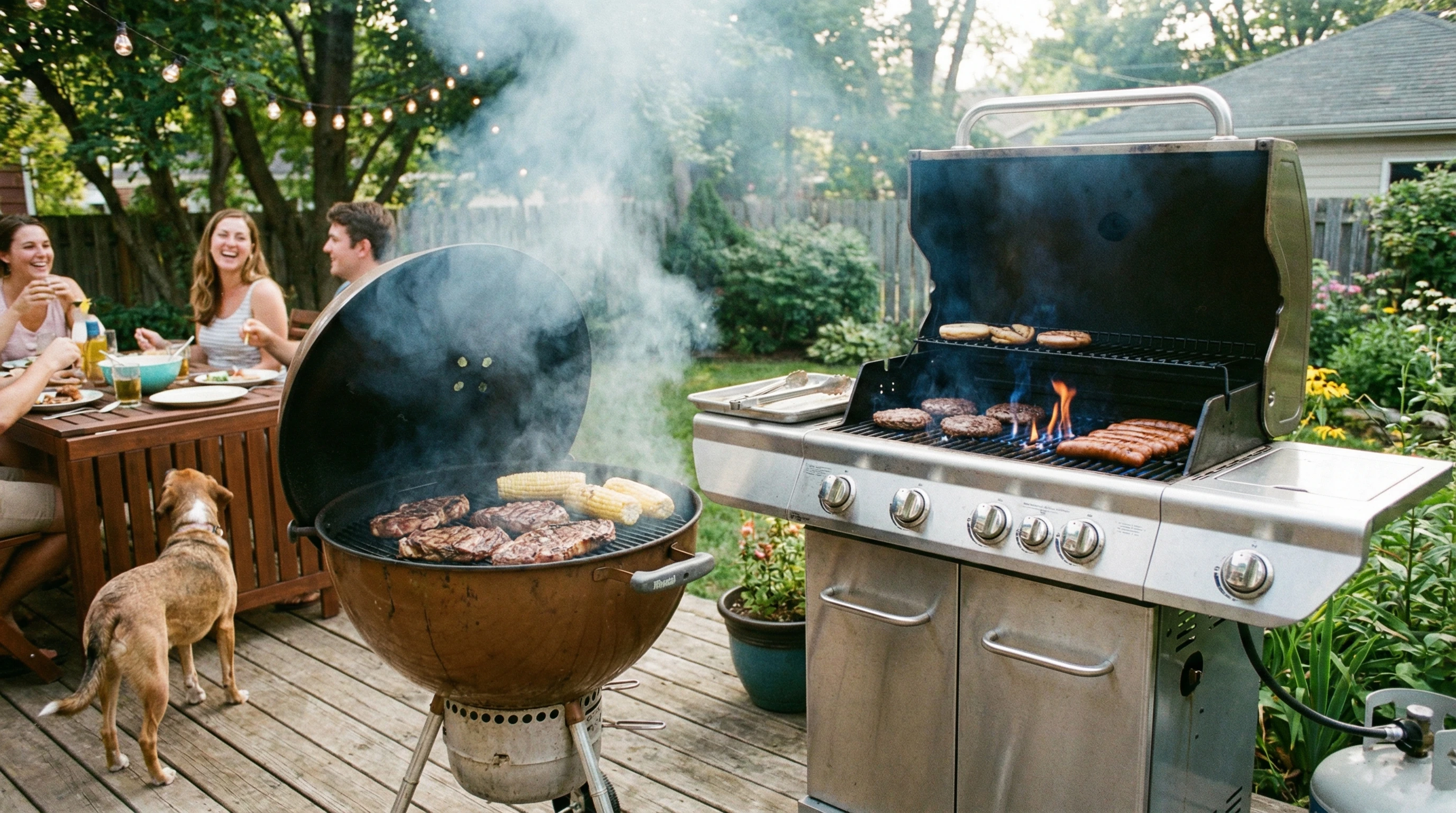
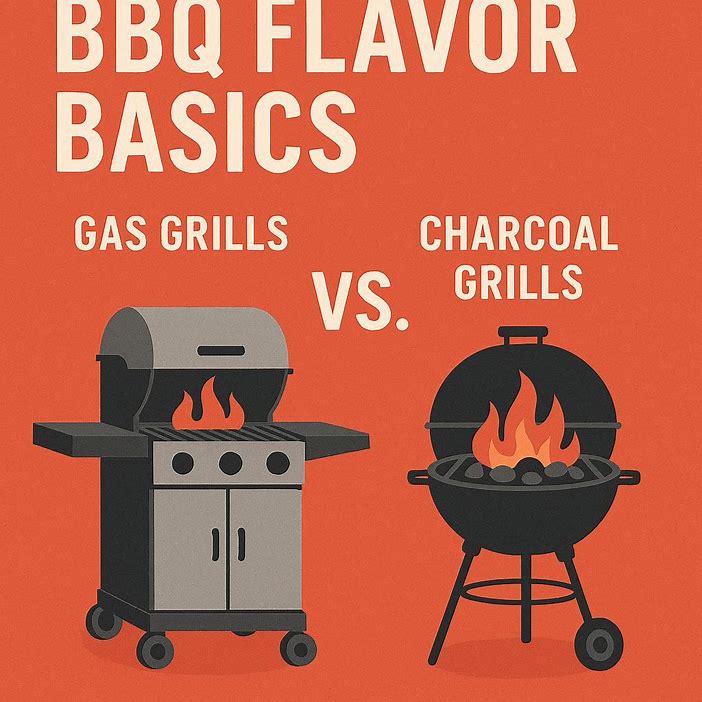
BBQ Flavor Basics: Gas Grills vs. Charcoal Grills
The classic smoky aroma that most folks crave with BBQ mainly comes from what’s burning under your food. Gas grills run on propane or natural gas, while charcoal grills use charcoal briquettes or lump charcoal. Each fuel has clear effects on how your steaks, burgers, or ribs taste. If you’re mostly after that deep, layered smoke flavor, or you want a grill that’s easy to use, this section covers what you need to know before deciding what’s right for your BBQ style.
The popularity of grilling is on the rise, with over 70% of U.S. households owning a grill according to the Hearth, Patio & Barbecue Association. Choosing between gas and charcoal isn’t just a matter of convenience, but also about chasing the type of flavor you want every time you cook out.
Charcoal grilling has roots going back centuries and is closely tied to traditional barbecue styles. Gas grilling offers speed and simplicity, making weekday dinners much less complicated. Understanding how each fuel shapes food flavor will help you grill with more confidence and get the results you want each time you cook outdoors.
Key BBQ Flavor Differences: Charcoal and Gas Grills
I often hear people wonder if switching grills will make their food taste “better” or “worse.” The reality is, it’s really about what type of flavor you’re after. Here’s a practical guide to how charcoal and gas each change what you taste on your plate.
- Smoke Production and Intensity: Charcoal produces lots of smoke, especially when meat drippings fall onto hot coals. This creates that unmistakable smoky aroma and taste. Gas burns clean, so you get much less smoke unless you use wood chips or add-ons. The overall effect: Charcoal grilling gives you a deep, natural smokiness, while gas delivers a lighter, more subtle flavor unless you put in the extra effort to boost the smoke.
- Combustion Byproducts and Flavor Compounds: Charcoal burning makes all sorts of flavorful molecules, like phenols and carbonyls, which add complexity and that barbecue character to your food. Gas mostly produces heat and water vapor, with a small amount of CO2, which is nearly flavorless, so your food tastes less smoky and a bit cleaner.
- Dripping Interaction (Flavor Vaporization): When you grill over lump charcoal or briquettes, meat drippings hit the hot coals, sizzle, and vaporize, then get carried back up to your food as flavor-packed smoke. Gas grills have flavor bars or shields to recreate this, but the vapor often packs less punch. With charcoal, meats tend to taste richer and more “grilled.”
- Heat Profile and Searing Character: Charcoal grills can reach super high temperatures, helping to build a flavorful crust and bold sear marks. This high-heat boost ramps up the Maillard reaction, pumping out those toasted, savory flavors. Gas is great for even heating but doesn’t always deliver the same searing power unless you get a high-end model.
- Wood Integration and Smoke Layering: Adding wood chunks with charcoal is easy; toss them onto the coals. The wood smoke blends smoothly, adding complexity to everything from chicken to brisket. Gas grills need a smoker box or a foil pouch of wood chips, and airflow can make it harder to nail the perfect smoke level. Charcoal keeps things more straightforward if you want strong wood smoke layers.
- Subtle Fuel Aromatics: Good lump charcoal can sometimes add gentle earthy or mineral notes, especially if it’s made from certain hardwoods. Gas is very neutral, so you get clean flavors, with any unique character coming mostly from rubs or marinades, not the fuel itself.
Tips for Getting More Flavor on Each Grill Type
I’ve grilled on both charcoal and gas plenty of times, and there are a few practical ways to get the most out of each one when focusing on flavor.
- Boosting Smoke on Gas Grills: Use a smoker box filled with soaked wood chips. Place it directly over a burner on high until the chips start to smoke, then lower the heat and add your food. This can work pretty well for fish, chicken, or veggies, giving them a mild smoky flavor, though it’s harder to achieve deep smoke on big cuts like brisket.
- Maximizing Charcoal’s Flavor: For bold BBQ flavors, use real lump charcoal (not just pressed briquettes), and mix in hardwood chunks for extra smoke. Make sure the lid stays closed so the smoky environment works its magic. Letting the fat hit the hottest part of the coals really amps up the grilled taste.
- Managing Heat: On a gas grill, preheat for 10 to 15 minutes to maximize searing power. With charcoal, light your coals ahead of time and only start grilling when they’re fully ashes over (no more large open flames), which helps avoid a bitter taste and creates a nice crust.
- Flavor from Seasonings: Since gas grills don’t add much taste on their own, dial up the flavor using spice rubs, brines, or marinades. With charcoal, treat seasoning as a supporting actor; the smoke and fuel already do a lot of heavy lifting.
Common BBQ Flavor Concerns (and How to Solve Them)
Switching between charcoal and gas can take some getting used to; both have their quirks. Here’s what I’ve noticed, plus a few tricks to help you grill with more confidence, no matter what you’re working with.
- Too Little Smoke on Gas: Adding a smoke box helps, but try not to overdo it. If you load on too many chips, you might get bitter, acrid tastes. Start with a small amount, taste, and build up if needed.
- Harsh or Bitter Smoke with Charcoal: Using lighter fluid can leave a chemical aftertaste. Stick with a chimney starter instead. Let the coals fully gray over before you start grilling; this helps avoid harsh flavors.
- Temperature Control Problems: Gas is super user-friendly for even, steady temps, which is great if you’re nervous about burning food. Charcoal takes practice, but setting up two-zone cooking (hot side and a cool side) gives you more control. If you need a quick cheat sheet, place hot coals on one side only, sear over the flames, then finish cooking with indirect heat.
Smoke Intensity for Different Foods
The amount of smoke you want depends a lot on what you’re grilling. I’ve noticed that some foods pair better with a little less smoke, while others are totally fine loaded up with bold wood flavors.
- Delicate items (fish, shrimp, veggies) do well on a gas grill with a light touch of smoke.
- Ribs, brisket, and chicken thighs really benefit from charcoal or wood, which gives them that classic BBQ flavor.
Wood Chips vs. Wood Chunks
Charcoal grills handle big wood chunks easily, which work well for longer cooks. Gas grills do better with smaller chips, since they’ll smolder in the box and give off smoke during shorter grill times. Some people even soak wood chips (for gas grills) to slow the burn and extend the smoky flavor, though I’ve found this makes only a small difference overall.
Advanced Flavor Tricks: Customizing Your Grilled Food
Once you’ve got the basics down, taking your flavor game up a notch is all about using your equipment to its full potential and getting creative with a few easy hacks.
- Layering Wood Flavors: Try combinations of cherry, hickory, apple, or pecan wood. Mix different chunks on the coals for nuanced flavors. Gas grills can also pull this off using a mix of soaked chips in a foil packet.
- Grill Accessories for More Flavor: Using cast iron griddles or a pouch on both grill types, for new textures and a larger searing area. Cast iron helps capture fats and return flavor to the food, kind of like classic pan searing.
- Experiment with Sugar and Marinades: Sweet or syrupy sauces will caramelize faster on higher heat, especially with charcoal. Keep a close eye so you don’t burn the sugars; flip and baste with care.
Popular Myths About BBQ Flavors
I’ve chatted with a lot of backyard grillers, and I keep hearing a few myths that don’t hold up in real-world BBQ sessions:
- “Gas grills can’t make food taste smoky.” Not true! It’s just a different, lighter kind of smokiness than what you get on charcoal. Wood chips and smoker boxes help fill in the gaps.
- “Charcoal always tastes better.” Taste is personal. If you prefer clean, natural flavors, there’s nothing wrong with loving gas-cooked steaks or chicken breasts. Charcoal fans may stubbornly disagree, but that’s all part of the fun.
- “Lump charcoal and briquettes are the same.” Lump charcoal often burns hotter and adds more subtle wood notes, while briquettes are blended for even heat and easier control. Both give you a good smoky flavor, but the results can differ.
Real World Grilling Scenarios: How I Choose
I use both types of grills, depending on my BBQ plans. If friends are coming over and I’m making ribs or pork shoulder, I reach for the charcoal grill. The smokier aroma and slow-cooked textures really make a difference, especially with thick cuts. If I’m grilling burgers, veggies, or a quick weeknight dinner, my gas grill wins for pure convenience. The food ends up less smoky, but it’s always consistent, juicy, and still pretty tasty with the right seasoning or sauce.
- Charcoal Great For: Smoking brisket, pork ribs, chicken wings, steaks, or anything you want to taste bold and smoky.
- Gas Great For: Grilling shrimp, fish fillets, burgers, hot dogs, boneless chicken breasts, or tender veggies, basically anything where mild flavor and convenience matter most.
Frequently Asked Questions
Here are things people often ask me about gas and charcoal BBQ flavors; if you’re wondering, you’re not alone!
Question: Will adding wood chips to my gas grill really make my food taste like charcoal BBQ?
Answer: Adding wood chips helps a lot with smokiness, but won’t fully match the intensity of charcoal. It’s a solid workaround if you’re after a boost without switching grills.
Question: Is there a difference in flavor between lump charcoal and briquettes?
Answer: Lump charcoal can add more subtle, natural wood flavors, especially if made from hardwood, while briquettes offer steadier heat but a bit less distinct flavor. Both produce a smokier result than gas alone.
Question: Can I use a smoker box on a charcoal grill?
Answer: There’s no need; toss wood chunks straight onto the coals. The extra smoke soaks right into the food.
Question: Are there foods that taste better on one type of grill?
Answer: Fatty or tough cuts (like brisket or ribs) love the deep smoke of charcoal. Simple veggies or quick-cook items turn out great on a gas grill, especially if you want a subtle grilled taste and minimal fuss.
Choosing between gas and charcoal grilling comes down to what flavor experience you want, how much time you have to grill, and your personal style of BBQ. Both can deliver delicious results, and with a few tweaks or add-ons, you can get pretty close to your preferred taste regardless of fuel type.
Here, getting hands-on and trying new tricks is the best way to dial in your perfect BBQ flavor. If you’re interested in comparing models or learning more about BBQ techniques, sites like AmazingRibs.com and Serious Eats are loaded with trustworthy info and practical advice for anyone who wants to take their grill game up a notch.
In the end, the gas vs. charcoal debate isn’t about which grill is “better” — it’s about the kind of flavor experience you want to create.
Charcoal delivers bold smokiness, crackling intensity, and that unmistakable fire-kissed depth that feels rooted in tradition.
Gas, by contrast, offers clean, controlled heat that lets your ingredients, marinades, and technique take center stage. Both can produce exceptional results in skilled hands.
The real difference lies in whether you prefer the primal character of glowing coals or the precision and convenience of modern flame — because the fuel doesn’t define great grilling, but by the flavor you build on top of it.