
 Grilling in the backyard. Smoke curling, juicy steak on the grates, and that irresistible scent drawing everyone outside. It’s hard to beat. BBQ isn’t just an American summer thing; it’s a way to bring people together and turn a regular weekend into something special.
Getting that perfect seared crust on your steak, locking in flavors on veggies, or nailing a juicy chicken thigh isn’t just about luck. It’s about knowing your grill and understanding some key techniques. If you’ve ever ended up with burnt sausages or dry chicken, you already know: mastering BBQ grilling skills makes a huge difference in the result.
Learning to grill is not just about cooking; it’s about unlocking a world of flavors and having a great time. Grilling becomes even more enjoyable when you break free from old habits that might be limiting your results. Many people stick to the basics, hoping for good results each time, but these methods often fail to meet expectations. I will introduce you to one of my favorite grilling methods—the precision-based approach—and explain why it consistently delivers flavorful results, even for beginners. So, let’s have fun and explore the world of grilling together!
Conventional BBQ Grilling Techniques
If you ask around, most backyard grillers will discuss using direct heat, marinating everything overnight, or simply relying on their instincts to decide when the food is ready. These approaches can yield decent results, but sometimes you end up with steaks that have heavy bark on the outside and are raw at the center, or dry and flavorless chicken.
Direct Heat Grilling
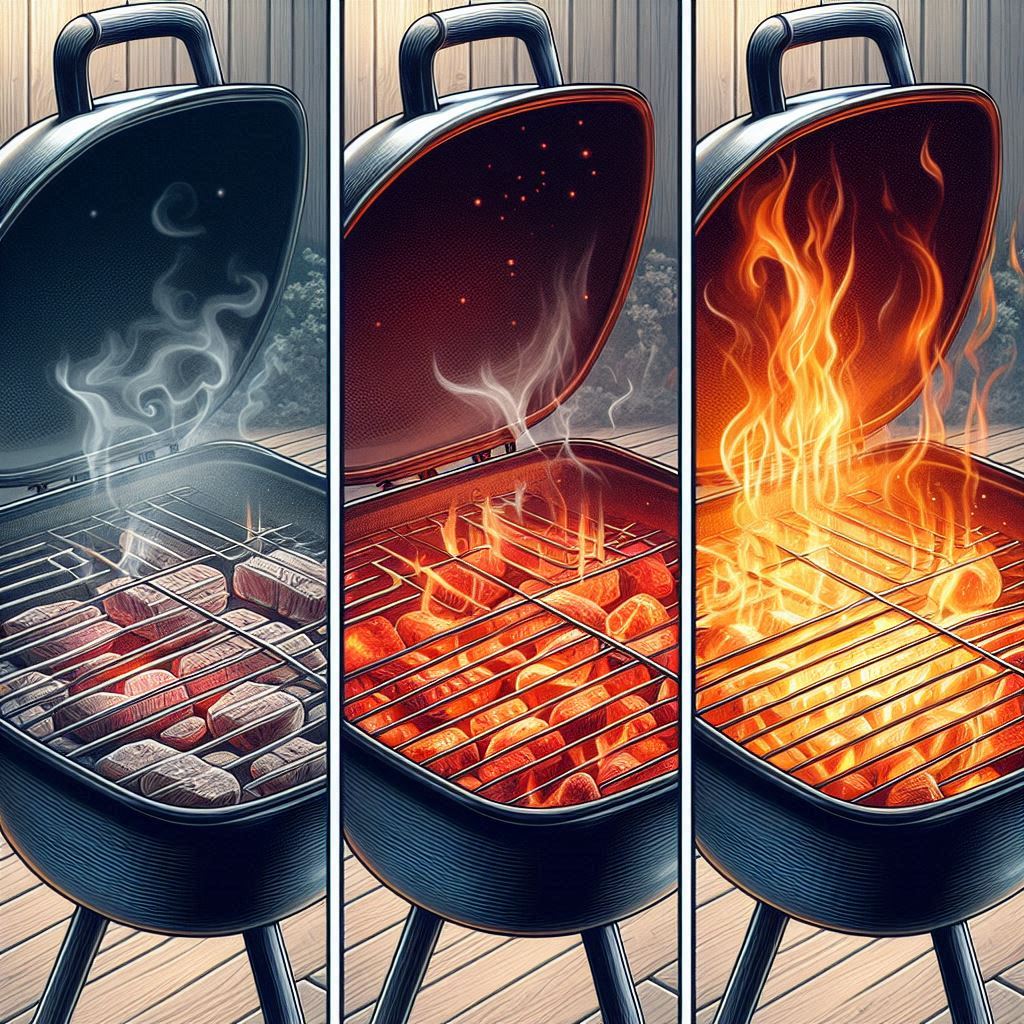
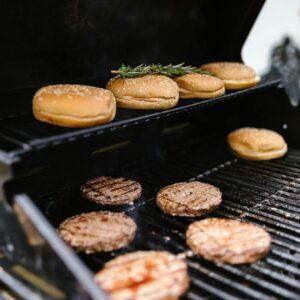
People usually fire up all burners or dump out charcoal evenly, then toss everything straight onto the hottest part of the grill. It’s the easiest and quickest way to cook food. Steaks and burgers sizzle up with classic grill marks and emerge with a smoky crust.
- Pros: Your Food cooks quickly and gets those tasty sear marks.
- Cons: It’s easy to burn the outside while the inside stays raw, especially with thick cuts. Heat isn’t always guaranteed, and flare-ups can scorch your food before it’s cooked.
Marinating for Hours (Or Overnight)
Another favorite method is to soak meat in a marinade for hours, sometimes overnight. This can make tough meat more tender and add some tasty flavors.
- Pros: Helps add flavor and can soften up tougher cuts.
- Cons: Some marinades can cover the natural taste, especially when working with a nice piece of meat. Marinade sugars can also burn quickly on a hot grill, resulting in a burnt exterior and a strangely underwhelming interior.
“Eyeballing” Doneness
Classic backyard grilling style often means poking at the steak, slicing into chicken to check the inside, or just guessing based on color or bounce.
- Pros: No gadgets are necessary; you rely on your instincts.
- The cons: This technique can lead you astray if you’re new to it. Undercooked or overcooked food is all too common, especially for thick cuts.
Why Conventional Techniques Often Fall Short
Direct heat and instinct-based cooking don’t always work. You might find that sometimes the food comes out just right, and other times it’s way off. It’s tricky to balance a delicious sear with a properly cooked center, especially when cooking larger or more delicate items, such as chicken or vegetables. These approaches work if you grill every weekend, but the results are inconsistent for most people. Beginners can become discouraged and second-guess themselves.
Precision-Based Grilling Technique: A Game-Changer for Beginners
Getting repeatable, restaurant-worthy results at home isn’t magic. It’s all about using the grill a little differently. I’ve had incredible success with a precision-based grilling approach. This method offers you more control, helps prevent burned or undercooked food, and enhances flavors instead of masking them. It’s a game-changer that boosts your confidence and makes your grilling adventures more enjoyable. With this approach, you’re in the driver’s seat, creating delicious meals with precision and control.
Two-Zone (Indirect) Heat Cooking
Setting up your grill for direct and indirect heat puts you in control. Charcoal grillers push the coals to one side. For gas, leave some burners off and keep others on medium-high. Sear your food quickly over the hot side to develop that crust, then slide it over to the cooler side to finish cooking more gently. This process is beneficial for chicken, pork chops, thick steaks, fish, and veggies.
The indirect approach allows the heat to circulate around the food, much like turning your grill into a smoky outdoor oven. You avoid those burnt outsides with raw middles, and you can achieve a more precise final result.
Thermometers: The Secret Sauce
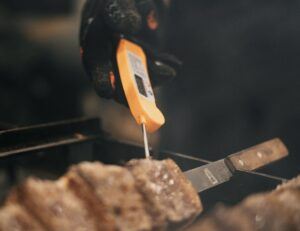
Investing in a basic digital thermometer is the best upgrade for my grilling adventure. No more guessing and cutting into steaks, chicken, or pork. You check the temperature and know exactly when it’s ready. Getting the correct doneness every time—medium-rare steak, juicy chicken, or perfectly roasted pork—becomes easy with a thermometer. It also helps keep everything safe to eat without overcooking and drying out the food.
Layered Flavoring: Dry Rubs, Smoke, and Glazing
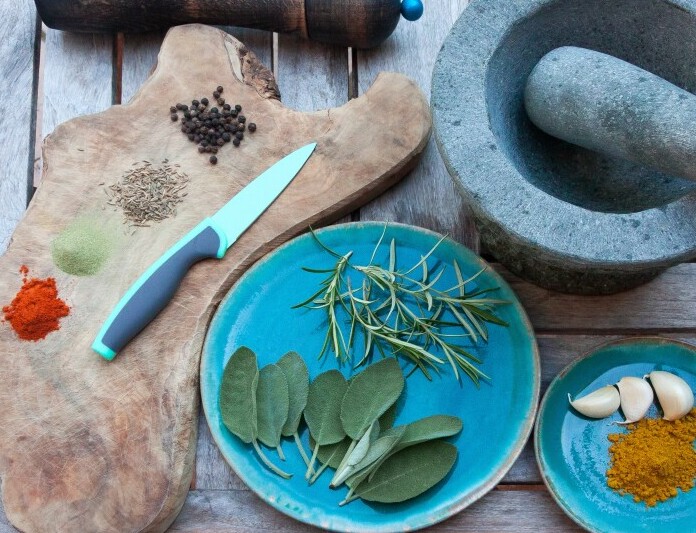
Instead of soaking everything in marinades, I use a layered flavor approach. Start with a simple dry rub—just salt, pepper, garlic powder, paprika, or a basic blend like your favorite BBQ seasoning. This season, the surface is for a great crust. Add wood chips to a smoker box or foil packet for a smoky flavor. Then, when the food’s almost done, brush on a glaze or sauce so it gets glossy and sticky without burning. This style keeps flavors clean, allowing the main ingredient’s taste to shine through. You’ll notice a significant flavor upgrade from marinades to well-balanced rubs and controlled smoke.
Why I Find This Method Superior
- Consistent Results: No more surprises. For steaks, chicken, pork, or veggies, they come out like you planned every time.
- Beginner-Friendly: Tools like meat thermometers and two-zone grilling allow new grillers to achieve great results without decades of practice.
- Works for Everything: This approach accommodates a wide range of ingredients, including thick steaks, delicate fish, whole birds, and even hearty vegetables.
Potential Pushback: Addressing Common Counterarguments.
Now, you might have some concerns or counterarguments about these techniques, and that’s completely normal. Let’s address some of the most common ones in a friendly and understanding way.
‘Indirect Heat Takes Too Long’
Yeah, indirect cooking does take a little longer than direct high-heat grilling. But giving your food the extra time leads to better taste and texture. Especially with chicken and bigger cuts of meat. I usually use this slowdown for prepping sides or chatting with guests, so “downtime” is pretty handy.
‘Thermometers Just Don’t Look Cool’
There’s a thought that popping a thermometer in your meat, pork, or chicken breaks the flow. Today’s digital models are quick and pretty slick. Checking the temp is super speedy, so you never have to keep puncturing the food or slicing it open to see if it’s ready or not. It keeps everything looking good and helps you serve picture-perfect plates.
‘Dry Rubs and Smoke Sound Complicated’
This one is fixable. You don’t need a fancy smoker or a bunch of spice blends. Here’s a super simple dry rub I’ve used for all kinds of meats, chicken, and pork: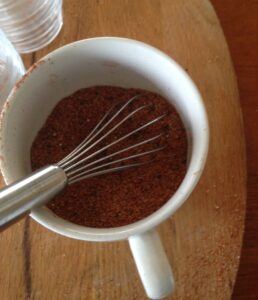
- 2 teaspoons kosher salt
- 1 teaspoon black pepper
- 1 teaspoon garlic powder
- 1 teaspoon smoked paprika (optional for a smoky kick)
Mix them and sprinkle generously over your meats, chicken, pork, or vegetables before grilling. To add a touch of smoke to a gas grill, fill a small foil packet with a handful of soaked wood chips, poke some holes in it, and place it over the lit burner. No special gear needed, and it adds a nice smoky layer.
Tips for Perfecting BBQ Techniques
Once you get going, it pays to try new things and work at getting a little better every time you fire up the grill. Here are some tips I’m always using myself and recommend for anyone starting:
- Experiment and Be Patient: Some attempts won’t go as planned, and that’s alright. Play with new spice mixes, swap out different woods for smoking, or grill a veggie you haven’t tried before. That’s how you stumble upon awesome combos.
- Use the Right Tools: Having decent tongs, a reliable grill brush, and a digital thermometer makes life easier. Tools don’t have to be expensive—they need to work well.
- Embrace Mistakes: Everyone burns a steak or undercooks a chicken breast from time to time. Each mess-up helps you dial things in for next time. Keep notes if you want; it’s handy to remember what hit just right.
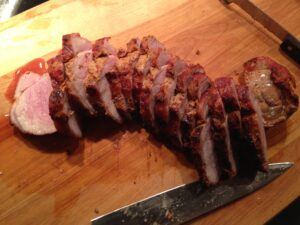
- Let food rest: Pull your meat, chicken, or pork off the grill, tent it with foil, and let it rest for a few minutes before slicing or serving. Resting helps finish cooking from the inside and holds in those juices.
- Clean Your Grill: Regularly brushing off the grill grates and checking your burners helps keep your grill working well, preventing old, charred bits from sticking to your food.
Beginner-Friendly FAQ
When I talk about grilling with friends, similar questions arise. Here’s what I get asked most often, and what’s worked for me:
Q: How do I know when food is ready if I’m starting? A: Use a thermometer! The cheat sheet: Chicken should reach a minimum temperature of 165°F, while pork and fish should reach around 145°F. For steaks, they are usually grilled to a temperature between 130°F and 155°F, depending on your preferred level of doneness. After a while, you’ll get a feel for how the food “acts” when done, but thermometers remove the guesswork.
Q: Is charcoal better than gas? A: Both have their perks. Charcoal adds more smoky flavor and is excellent for classic BBQ. Gas is easier to control and super convenient, especially for weeknights. The precision-based method works on both—you need a hot and a cooler side. Use what you enjoy most.
Q: What’s the easiest cut of meat to master first? A: I always suggest chicken thighs or pork chops. They have more fat, so they’re forgiving if you go a little long or short. Rib-eye steaks are also a fun choice. Avoid thick, lean cuts like chicken breast or turkey until you have a few cooking experiences under your belt.
Q: Should I oil the grates? A: Oil helps with sticking, especially on veggies and fish, and also for meats, pork, and chicken. Use tongs to wipe a lightly dipped paper towel in oil across the hot grates before placing your food down. Avoid using too much oil, as excess oil can drip and cause flare-ups.
Troubleshooting Common Grilling Issues
Here are a couple of classic beginner hiccups and what I do to sidestep them:
- Food Sticking: Make sure the grill is fully preheated and lightly oiled. Wait until the food naturally releases before flipping; if it’s stuck, it’s usually not ready to be turned.
- Flare-ups: Keep a cool zone for moving food off the flame. For significant flare-ups, close the lid briefly to cut off oxygen. Trim excess fat beforehand, and avoid super sugary sauces until the end of cooking.
- Uneven Cooking: Utilize the indirect zone and avoid overcrowding the grill. Rotate food between hot and cool zones as needed.
Real World Stories and Successes
The first time I used indirect heat to cook a batch of chicken thighs, I was amazed by how juicy and evenly cooked they turned out to be. Before that, my usual routine was to check them by sight and hope for the best. Switching to a thermometer and two-zone setup instantly boosted my confidence, and my friends were amazed at the improvement.
Friends who tried my simple dry rub and tinfoil wood chips said it was the best BBQ flavor they’d ever gotten with a gas grill. Sharing these tricks doesn’t just improve your food—it gets everyone at the table excited to eat together.
Wrapping Up
Switching to a precision-based grilling technique brings control and repeatability to your BBQ game. Setting up two heat zones, using a meat thermometer for accuracy, and building flavor in layers isn’t complicated, and it takes your meals well above ordinary.
Grilling is a ride. Every cook can experiment, learn, and connect with people over delicious food. Try these methods, play around with your flavor twists, and don’t forget to brag (just a little) when you finally nail that perfect steak or juicy drumstick.
Enjoy that great BBQ taste!