
Stepping into backyard grilling feels a lot like entering a whole new world. From smoky barbecue get-togethers to quiet dinners at home, picking the right grill has a real impact on how much fun you have, and, let’s be honest, how tasty your food turns out.
Over the years, I’ve spent many weekends flipping burgers and learning the ins and outs of various grills. If you’re new to the grilling game and trying to decide between charcoal, gas, or pellet, breaking down the differences will save you time and hassle in the long run.
Which Grill Fuel Suits You?
A Speedy Comparison on Type, Start-Up, Cost, Style, and the Convenience for your Grill Zone Techniques
Charcoal Grills: Old School Charm and Rich Flavor
Charcoal grills have a serious following thanks to their classic taste and hands-on approach. They burn charcoal briquettes or lump charcoal as fuel, turning out that famous sizzle and deep smoky aroma that’s tough to beat.
The process of arranging the coals, managing the vents, and controlling the cooking temperature gives you a sense of control and connection to the grilling process. Most people recognize the rounded kettle grill shape, but there’s plenty of variety. Barrel-style grills and ceramic kamado cookers each put their spin on heat and smoke.
How Charcoal Grills Work
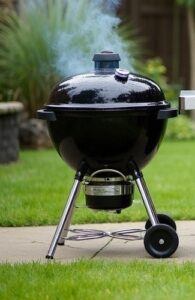
Charcoal grills work by lighting charcoal at the bottom, which gets hot and fills the lid area with rising heat and smoke. The hot coals serve as your heat source, and you control the cooking temperature by spreading them out or stacking them up.
Most charcoal grills use vents to help manage airflow, so you open them to increase heat or close them partially to cool things off. Kettle grills are perfect for smaller patios, while kamado grills, made of thick ceramic, maintain steady heat and can transition from low and slow to scorching hot.
- Kettle grills: Classic, round, suitable for everyday use.
- Barrel-style grills: Larger, better for big meals and slow roasting.
- Kamado grills: Ceramic, versatile, excellent heat retention.
What’s to Like About Charcoal Grills?
- Intense smoky flavor that’s instantly noticeable.
- Gets hot, which is perfect for an intense sear on steaks and burgers.
- Charcoal grills usually cost less up front than gas or pellet-powered models.
- Lots of flexibility. Add wood chips for extra smoke or try different grill shapes.
Drawbacks to Think About
- Getting to cooking temp takes patience, usually 20 to 30 minutes, sometimes longer if you’re picky about how your coals are arranged.
- Cleanup is a regular chore: dealing with ash and leftover charcoal takes a bit of elbow grease.
- Dialing in the perfect temperature is tricky early on and takes some practice.
Who Will Love Cooking on Charcoal?
If you love bold flavors and aren’t afraid of getting your hands a little dirty, a charcoal grill rewards the effort. I find it appeals to folks who treat grilling as an art form. They experiment with heat zones, wood chunks, and long, slow smokes. For anyone who loves that unmistakable barbecue flavor and enjoys puttering around outdoors, this style fits right in.
Gas Grills: Speed, Control, and Convenience
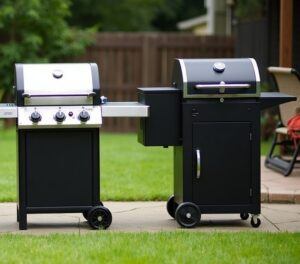
Gas grills bring a different style to backyard cooking. These grills use either propane tanks or a natural gas hookup as fuel, lighting instantly with the press of an ignition button and adjustable knobs.
Standard designs range from compact, park-ready models to built-in setups worthy of a chef’s dream patio. They’re big on fast, fuss-free cooking and easy cleanup. That’s what makes them one of the most popular choices across North America and beyond.
The Basics: How Gas Grills Work
Gas grills route propane or natural gas through burners, which sit under a barrier (like metal plates or ceramic rods). This setup helps prevent flare-ups while spreading heat across the grill surface. Dial in the precise temperature with a twist, using separate burners to create hot or cool zones as needed. Cart-style models have wheels for simple moves around the yard, built-ins can take center stage in an outdoor kitchen, and smaller portables make park trips a breeze.
- Cart-style grills: Versatile and common, ranging from basic to fully loaded with extras.
- Built-in grills: Sleek, made for custom outdoor kitchens.
- Portable grills: Perfect for camping or tailgating.
Gas Grill Perks
- Ready to cook in just a few minutes, which is a significant win on busy nights.
- Steady heat control with easy-to-read knobs.
- Zone cooking makes it easy to juggle gadgets and grill veggies or keep one side warm while you finish steaks.
- Cleanup is usually pretty straightforward. Just brush the grates and empty a drip tray.
Where Gas Grills Fall Short
- Misses out on that intense, smoky flavor you get from charcoal or wood. Adding smoker boxes can help, but it’s not the same.
- Larger grills can come with a hefty upfront price tag, especially models with multiple burners and fancy features.
- Burners and gas lines need regular checks, or you’ll run into maintenance headaches later down the road.
Who Should Pick Gas?
People who want to cook a quick dinner after work, or families needing a reliable grill for regular use, will appreciate the speed and simplicity of gas.
Gas grills are ideal for weeknights or parties when you need to quickly serve burgers or hot dogs to a hungry crowd. If you’re all about practical convenience and don’t want to babysit your grill, you’ll like how gas operates. Its ease of use and quick setup will give you the confidence to host a successful grilling session.
Pellet Grills: Wood-Fired Flavor and Smart Technology
Pellet grills are a relatively new addition to the grilling world, but they have a growing fan base. These grills work by slowly feeding compressed wood pellets, via an electric-powered auger, into a burn pot. Digital controllers precisely manage the speed, ensuring consistently high temperatures and even cooking across the grill.
Pellet grills blend the flavor of wood smoke with the hands-off appeal of modern tech. It’s perfect for anyone who wants both tradition and convenience.
How Pellet Grills Operate
Start by filling a hopper with wood pellets (such as hickory, apple, or cherry). When you set your temperature on the digital controller, the grill automatically feeds the right amount of pellets into the burn chamber, lighting them with a heated rod. Internal fans move air to maintain steady temperatures and distribute that flavorful smoke. You need an electric outlet to run the system, but aside from refilling the hopper, the grill operates automatically.
- Set it and forget it design: Digital controls handle steady temperatures, so you don’t have to hover nearby.
- Wide range of cooking styles: Low and slow, roasting, baking, and even grilling. Pellet grills cover a wide range of options.
Perks of Pellet Grilling
- Deep, wood-fired taste with a vast range of pellet flavors to play with.
- Stable, digitally controlled heat, great for low and slow BBQ and recipes that need careful timing.
- Super hands-off compared to charcoal or gas. Just add pellets and let the electronics do the work.
- Pellet grills often double as smokers, ovens, and more. You can slow cook ribs, bake bread, or even grill pizza.
Challenges of Pellet Grills
- Costs up front are higher, especially for models with advanced controllers.
- Requires an electric outlet nearby, so you can’t use it completely off-grid unless you have a portable power source.
- Not as hot as charcoal or gas for direct searing. Some models require additional accessories to achieve the perfect steak crust.
Who Pellet Grills are For
Pellet grills are ideal for those who appreciate the taste of wood-fired flavor but don’t want to deal with the constant management of a fire. Fans of BBQ will understand how easy it is to slow-cook meat with steady heat, so consider options like pork shoulder, brisket, or racks of ribs. If you want to start the grill, run errands, and have dinner ready when you return, pellets make it happen.
What do you think are the key factors to consider when selecting a grill?
There’s a lot to weigh beyond just the grilling style. Choosing the right fuel largely depends on your habits, preferences, and where you’ll be cooking. Here’s how I help friends sort out the options:
- Flavor Boost? If bold, smoky flavors top your list, charcoal is where it’s at. If you want something wood-smoked but with less work, pellet grills do it well.
- Time Crunch? Gas grills excel when you need to start grilling immediately and finish quickly. For weeknight cooks or impromptu lunches, the convenience is a game-changer.
- Love to Experiment? Pellet grills allow you to mix and match wood flavors and slow-cook a variety of foods. Kamado-style charcoal grills are another playground for experimentation.
- Space and Setup: Gas and charcoal grills each come in both small and large forms, but pellet grills are often heavier and need electricity. Small patios may suit a kettle or compact gas model better.
- Budget: Charcoal grills start at a lower price point, while gas and pellet models range up as you add burners or tech. Don’t forget to budget for fuel over time, like charcoal, propane, or wood pellets.
- Frequency: For occasional grilling, a classic kettle is easy on your wallet. If you’ll be grilling multiple times a week, the speed of gas or the set-and-forget design of pellet grills might make the hobby more fun and sustainable.
Real Life Example: Grilling for the Family vs. Weekend BBQs
When I grill just for my family on a weeknight, I can have dinner ready in 20 minutes flat using the gas grill. Big backyard parties, though, are made for charcoal, especially when everyone loves that real-deal barbecue crust. For days when I want to smoke a pork shoulder and relax, the pellet grill is my steady companion. If you know which moments matter most to your lifestyle, choosing gets much easier.
Common Questions for Beginner Grill Shoppers
Lots of beginners have similar worries. Here are a few that I hear often, along with what I’ve learned along the way.
Q: Do I need lots of grilling experience to use a charcoal grill?
A: Not really, you need a little patience. Lighting charcoal takes practice, but most folks get the hang of it fast with a chimney starter and attention to airflow. There are numerous online guides and videos available to help with technique, so you’re never entirely on your own.
Q: Are pellet grills okay for small patios?
A: They can be, but you need an outlet nearby and a spot where smoke won’t bother the neighbors. The smallest pellet models aren’t as portable as some charcoal or gas options, so consider weight and space when your patio space is limited.
Q: How often do gas grills need maintenance?
A: I recommend checking burners and gas lines every few months, plus cleaning the drip tray after each cook. Most parts are simple to remove and rinse. Basic annual tune-ups keep everything running safely.
Q: Can I use wood chips in a gas grill for added smoke?
A: Yes. You’ll want a smoker box or foil pouch for wood chips placed over a burner, which helps add a smoky flavor. Although it’s not as potent as cooking over charcoal, it gives food a nice boost.
Q: Will grilling outside take a long time to learn?
A: The basics are pretty quick, so keep it simple at first with burgers, steaks, or veggies. Each grill has a learning curve, but there’s no one perfect technique. Give yourself some time and don’t sweat the little things. Part of the fun is getting a little better (and a little bolder) with every meal.
Tips to Make the Most of Any Grill
- Invest in quality fuel: Good charcoal, propane, or pellets give much better results than the bargain basics. I notice flavor differences every time.
- Use a sturdy thermometer: Many built-in grill thermometers are way off the real cooking surface temperature, so an external digital thermometer is handy for consistent results.
- Keep it clean: Ash, grease, and old food bits can build up quickly and affect both flavor and safety. A quick brush or scrape after cooking goes a long way.
- Have a few grill accessories: Long tongs, a reliable spatula, and a good brush make every grill style easier. Chimney starters for charcoal and pellet hoppers for storage are also worth having.
The Final Take: Find Your Grilling Style
There’s no one-size-fits-all grill, and that’s fine. The key thing is figuring out what makes grilling fun and stress-free for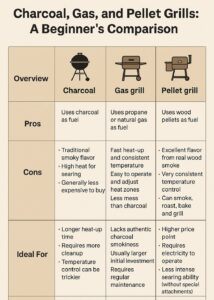 you. If smoky character matters most, charcoal brings maximum flavor. For weeknight speed and zero drama, gas delivers. Pellet grills provide the wood-fired goodness with minimal maintenance.
Trying one type doesn’t lock you in forever. Many serious grill fans end up owning more than one. Start where your budget and living space fit best, and let your skills and tastes grow over time.
I’ve found my happiest moments came from just beginning, experimenting, and finding out what works for our family.
Whether it’s burgers on a Tuesday or a big slow-cooked brisket for friends, the right grill is the one that matches your vibe.
Happy grilling! Enjoy that great BBQ taste!