

Setting up your BBQ for the first time can be pretty exciting. With a wide range of gear available, it’s easy to get lost in all the options. The right tools help you grill safely, make the cooking process easier, and boost your confidence along the way. Here’s my practical guide to the core BBQ tools that every beginner should have before firing up the grill.
Core Tools for BBQ for Beginners Beyond
Starting with BBQ isn’t about having every gadget on the market; it’s about making your first grilling sessions smooth, safe, and tasty. These key tools cover everything you need for burgers, vegetables, steaks, and even that classic slow-cooked chicken. With these, you’ll be ready for nearly any recipe or backyard get-together.
The BBQ space has grown a lot, and newer gear now addresses common pain points that tripped up previous generations. Every BBQ enthusiast I know agrees that building a solid toolset keeps things fun and stress-free and keeps you from running back and forth to the kitchen as much.
How to Pick the Right BBQ Gear for Your Grill Sessions
Great BBQ experiences start with the basics. Whether you’re a beginner startup or an experienced one, you want simple, reliable tools that do the job well. I’ve put together a list of gear that covers both gas and charcoal grills—the stuff I reach for every time I cook outdoors.
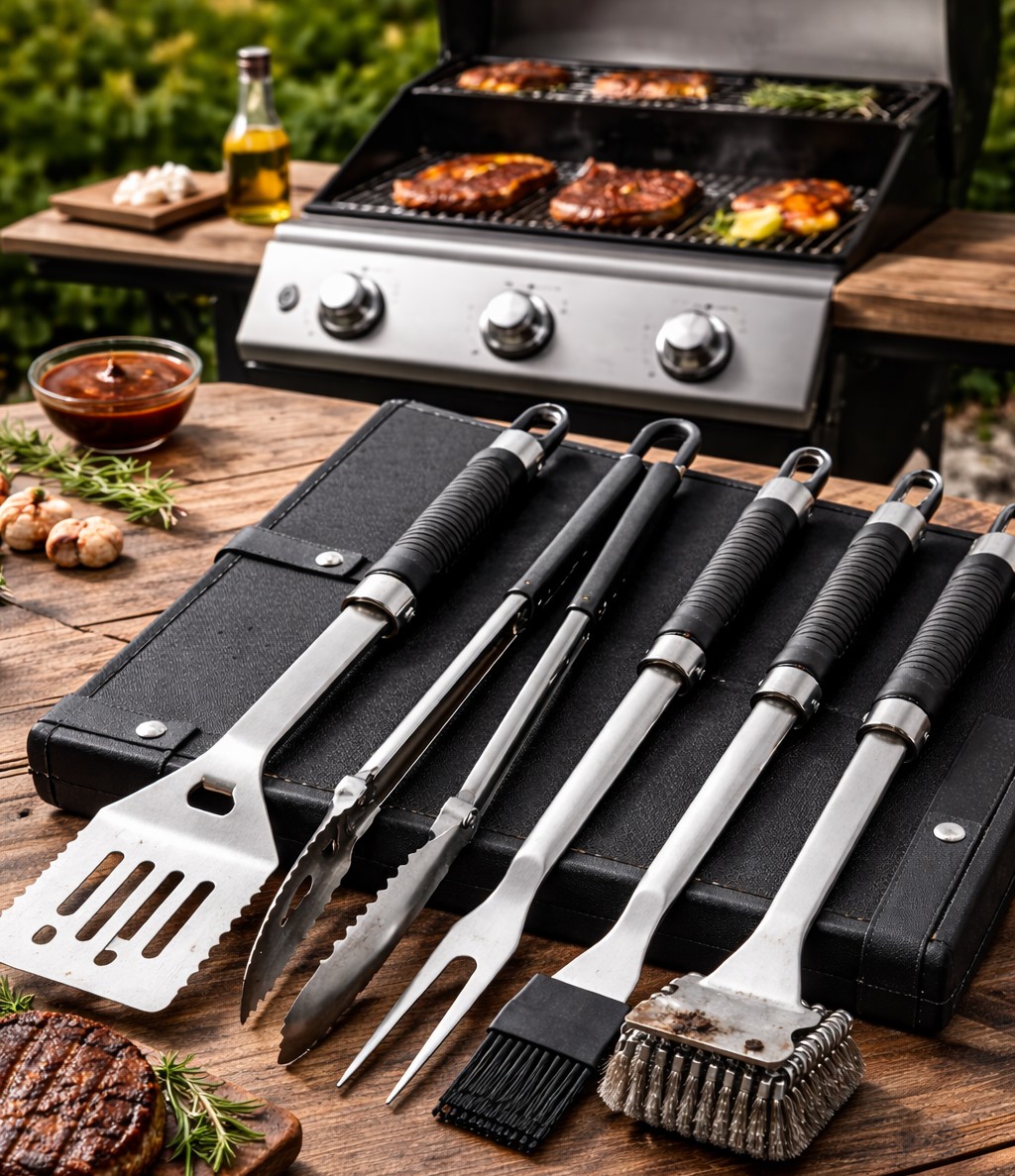
- Long-Handled Tongs: Tongs are your true BBQ workhorse. Look for a pair that’s long enough (about 16 inches) to keep your hands clear of the flames. Scalloped or nonslip ends make flipping and grabbing food easy.
- Spatula: A wide, sturdy spatula with a slotted blade helps you flip burgers and delicate items with ease. Stainless steel models last longer and flex less.
- Grill Brush: Keeping your grates clean prevents food from sticking and weird flavors. A grill brush specifically made for your grill type is essential. More on picking one later!
- Meat Thermometer: Cooking by instinct becomes easier with experience, but a digital thermometer eliminates the guesswork and helps prevent dry or undercooked food.
- Basting Brush: Whether you’re brushing on BBQ sauce, oil, or marinade, a silicone basting brush handles heat and is simple to clean.
- Grill Gloves: A pair of heat-resistant gloves lets you safely move grates, baskets, or charcoal without burning your hands.
- Chimney Starter (for Charcoal Grills): This prepares your coals without the need for lighter fluid, ensuring a clean taste.
- BBQ Fork: Handy for poking, moving, or steadying meat, huge pieces like brisket. Skip stabbing food too much to avoid losing the juices, though.
Step By Step: Setting Up Your BBQ Tool Kit
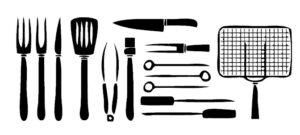
Once you have your essentials, getting organized will help you go from fumbling through drawers to smooth grilling sessions. Here’s how I like to prep before my first BBQ of the season:
- Gather Up Everything in Advance: Keep your spatula, tongs, thermometer, and grill brush in a dedicated tote or tool bag. It will keep you from making trips inside while juggling food and drink.
- Test Your Tools: Could you do a quick check to make sure your thermometer works properly, your tongs open and close smoothly, and your grill brush bristles are securely in place?
- Preheat and Clean Your Grill: Heat helps grease and old bits burn off, so you can scrub the grates easily with your grill brush.
- Set Up a Safe Cooling Area: Have a plate or tray ready to rest cooked meat, along with a clean foil tent if you’re concerned about flies or dust.
- Prepare an Extra Rag and Water Pitcher: A damp cloth is excellent for quick, safe cleanup and for soothing sticky fingers.
With these habits in place, you’ll feel more relaxed while you grill and enjoy time with your friends and family—no frantic sprints for missing utensils required.
What New Grillers Often Forget: Key Challenges & Tips
Learning to grill means running into a few roadblocks. Luckily, being aware of these issues beforehand means you can dodge some common headaches and set yourself up for easy wins as you get into the groove.
- Burned Hands: Regular kitchen mitts just don’t cut it. Good BBQ gloves are a genuine game-changer, helping you handle almost anything near the heat.
- Tough, Dirty Grates: Forgetting to brush the grill after cooking or before preheating can cause food to stick. A consistent cleaning routine is super important.
- Cooking With the Wrong Tools: Little tongs or spatulas (like those used for pancakes) aren’t long enough for grills. You want longer handles to keep your hands safe and to reach food across the whole grate.
- Bad Temperature Control: Searing a steak or cooking low and slow takes different heat levels. If you don’t have a thermometer or can’t read your built-in grill thermometer, you end up with unevenly cooked food. Trust a digital thermometer instead.
- Not Planning for Safety: Have a designated area for raw and cooked foods, so you don’t mix them and risk cross-contamination. Having two trays or plates (one for raw, one for cooked) makes things easy to keep separate.
BBQ Tool Pitfall: The Grill Brush
When purchasing a grill cleaning brush, consumers typically consider several factors to ensure safety, effectiveness, and durability. Listed here are 20 common concerns:
- Bristle Safety: Fear of metal bristles breaking off and contaminating food.
- Material Quality: Durability of materials used (stainless steel, nylon, etc.).
- Cleaning Effectiveness: Ability to remove tough, burnt-on residue.
- Ease of Use: Comfort and efficiency while cleaning.
- Handle Design: The length and ergonomics of the handle ensure safe and easy use.
- Compatibility: Whether it works well with their specific grill type (e.g., gas, charcoal, ceramic).
- Heat Resistance: Ability to withstand high grill temperatures.
- Non-Scratch Feature: Prevents damage to grill grates, especially those made of coated or porcelain materials.
- Maintenance: Ease of cleaning the brush itself.
- Durability: Longevity under regular use and exposure to grease and heat.
- Price: Affordability relative to quality and features.
- Storage: Ease of storing or hanging the brush when not in use.
- Size: Whether the brush can easily access corners and small spaces on the grill.
- Multifunctionality: If it includes additional tools (such as scrapers or pads).
- Chemical Compatibility: Resistance to damage from cleaning solutions or degreasers.
- Eco-friendliness: If the materials are sustainable or recyclable.
- Brand Reputation: Trustworthiness and reviews of the manufacturer.
- Safety Certifications: Assurance that the product meets safety standards.
- Replacement Availability: Access to replacement heads or parts.
- Design Features: Unique features that simplify cleaning or improve performance.
These concerns help guide consumers toward a product that fits their needs and minimizes risks.
When purchasing a grill cleaning brush, consumers often overlook several key factors that can significantly impact their satisfaction with the product. Here are the top 10 commonly forgotten considerations:
1. Bristle Safety
Consumers may forget to check whether the brush is bristle-free or has securely attached bristles to avoid metal fragments ending up in food.
2. Compatibility with Grill Type
Different grills (e.g., ceramic, cast iron, stainless steel, nonstick) require specific types of brushes to avoid damage, which some buyers overlook.
3. Handle Length and Ergonomics
The length and comfort of the handle are often overlooked but can significantly affect safety (by keeping hands away from heat) and usability.
4. Non-Scratch Capability
Many people forget to check whether the brush is safe for use on coated or delicate grill grates, which can lead to damage.
5. Cleaning Power
Buyers might overlook whether the brush can handle heavy-duty cleaning for burnt-on grease or only light maintenance.
6. Durability and Material Quality
The brush’s longevity and ability to withstand wear, rust, and heat exposure are often overlooked.
7. Ease of Storage
Features like hooks or compact designs for storage are often forgotten, but they help keep the brush accessible.
8. Maintenance Requirements
Some brushes are difficult to clean, as they can trap grease and debris. Consumers may not realize this until after they make a purchase.
9. Availability of Replacements
Many forget to check if the brush offers replaceable heads or parts, which can extend the product’s life and save money.
10. Safety Certifications
Consumers often overlook whether a product meets safety standards or has certifications, which is particularly important for food-contact tools.
Remembering these factors can help buyers make a more informed choice and avoid regrets after purchasing a grill cleaning brush.
The more you know in advance, the easier it is to dodge hassle, improve safety, and keep your BBQ gear in solid shape. Careful research helps buyers make informed decisions and enjoy safer, easier grilling.
Pro Tricks to Take Your Grilling Up a Notch
Once you’ve got the basics down, a few extra moves can take your BBQs to the next level. Here are some of the practical upgrades and habits I recommend:
- Double Up On Tools: If you cook for a crowd or like to prepare veggies and meat together, consider a second set of tongs or spatula specifically for the non-meat items. It prevents flavor and allergen crossover.
- Try a Grill Basket: These baskets are fantastic for smaller items like veggies, shrimp, or fish that could fall through the grates. Just toss them all in and flip the whole basket, no stress.
- Get a Spray Bottle: Fill it with water to help tame flare-ups or mist your food for a bit of extra moisture during long cooks.
- Improve Storage: Consider adding a wall or rail hook to your tool set, which keeps everything organized and within reach while grilling.
- Experiment with Wood Chips and Pellets: For an extra smoky flavor, toss a handful of soaked wood chips onto your coals or into a smoker box for a gas grill.
Doubling up and organizing tools saves time, and using baskets or spray bottles adds more control to your grilling, keeping food from getting scorched or lost in the fire.
BBQ Tool Guide: Real Life Gear in Action
The right tools can significantly elevate backyard cooking and help you prepare everything from simple burgers to multicourse meals. Here’s how these tools fit into different BBQ scenarios—drawn from a few of my cookout experiments.
- Family Cookouts: Reliable tongs, a spatula, and a sturdy grill brush let you move quickly and cook everything from hot dogs to corn cobs with ease.
- Marinated Chicken and Fish Nights: A silicone basting brush and heat-resistant gloves allow you to baste and handle food safely, while a basket prevents delicate items from breaking apart.
- Low and Slow Projects: A thermometer is your steady companion for brisket, ribs, or pulled pork, so you don’t have to guess whether it’s cooked perfectly. Chimney starters also make it a breeze to get charcoal ready.
- Vegetarian/Vegan Feasts: Two sets of tongs and baskets keep flavors separate and stop veggies from falling through. A grill pan is also handy for tofu or cheese, which tend to stick to the pan.
Frequently Asked Questions (BBQ Tools Edition)
Below are some of the questions I frequently receive from people just starting, along with my straightforward answers to help you make better grilling choices.
Question: Do I need specialized BBQ utensils, or will my regular kitchen tools be good enough?
Answer: Regular kitchen tools work in a pinch, but aren’t designed for the heat or reach of a grill. Long-handled BBQ tongs, spatulas, and brushes are safer and more convenient to use outdoors.
Question: How often should I clean my grill, and what’s the safest way to do it?
Answer: Scrub the grates immediately after cooking, while they’re still hot, to loosen any stuck-on food. Always check your brush for loose bristles before and after use to avoid hazards. Once dry, store your brush and tools in a dry, out-of-the-elements location to keep them lasting longer.
Question: What’s the difference between metal, silicone, or wood tool handles?
Answer: Metal handles tend to be very durable but often get hot, so always opt for a set with rubber or wooden grips. Silicone is heat-resistant and comfortable, but it may wear down faster if you grill regularly.
Question: I only have a small grill. Do I still need full-length tools?
Answer: Even with a little grill, longer handles keep your hands safer and out of the flames. Compact models are fine, but still look for that extra reach.
Getting the Most From Your BBQ Tool Kit
Reliable, well-chosen BBQ tools make every outdoor meal easier, tastier, and more enjoyable.
Those first few shopping trips may seem overwhelming, but starting with these basics means fewer surprises after you light the grill:
1) Quality tongs
2) A sturdy spatula
3) A reliable grill brush
4) And a digital thermometer
Here, all make a significant difference in your BBQ results. Staying organized and considering what makes grilling easier for you will shape your toolkit as you become more adventurous, keeping the good times rolling for seasons to come.
Setting up your BBQ doesn’t have to be complicated. You can grab your tools, heat the grill, clean the grates, and put your new knowledge to the test. Backyard bragging rights start here.
Enjoy that great BBQ taste!