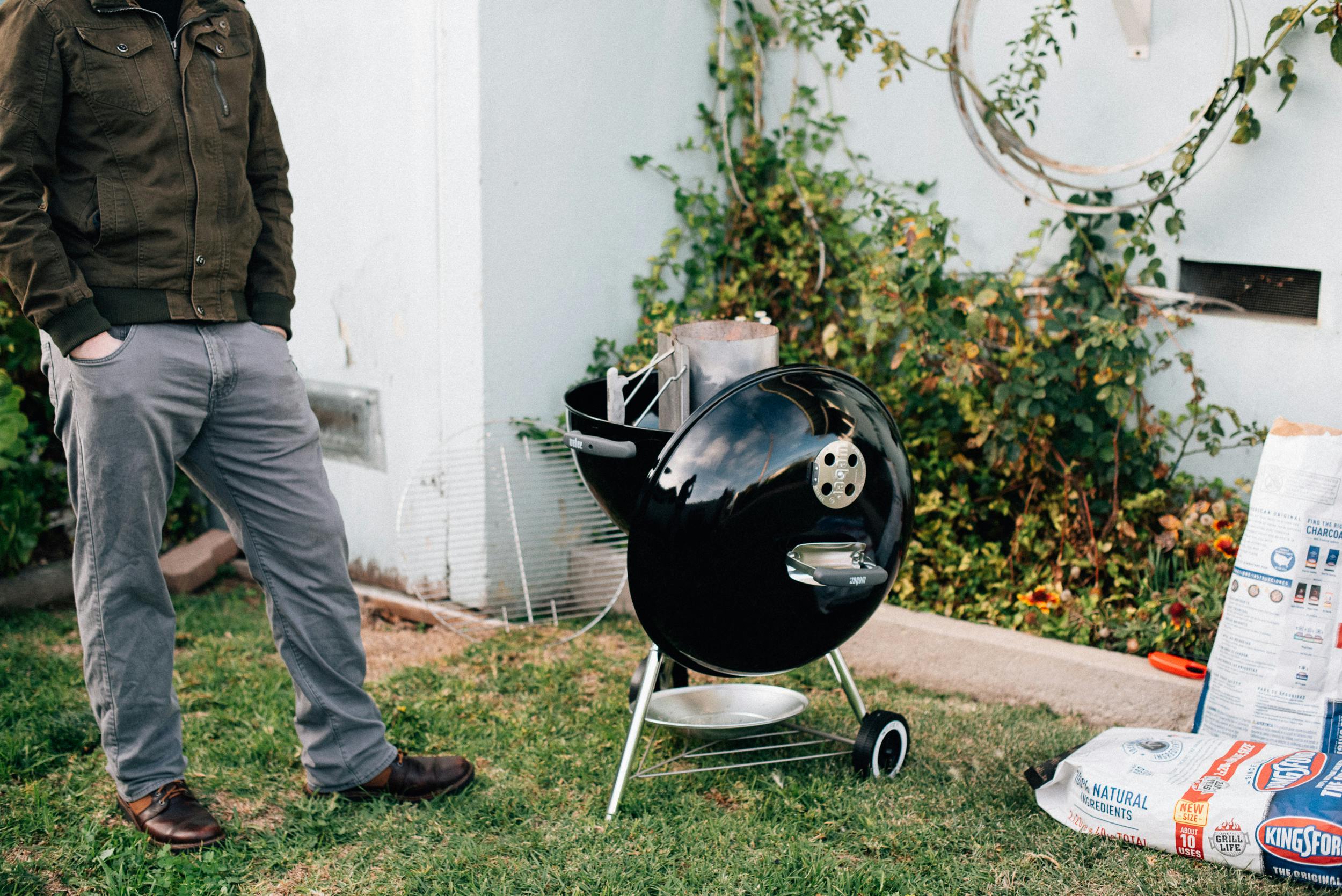
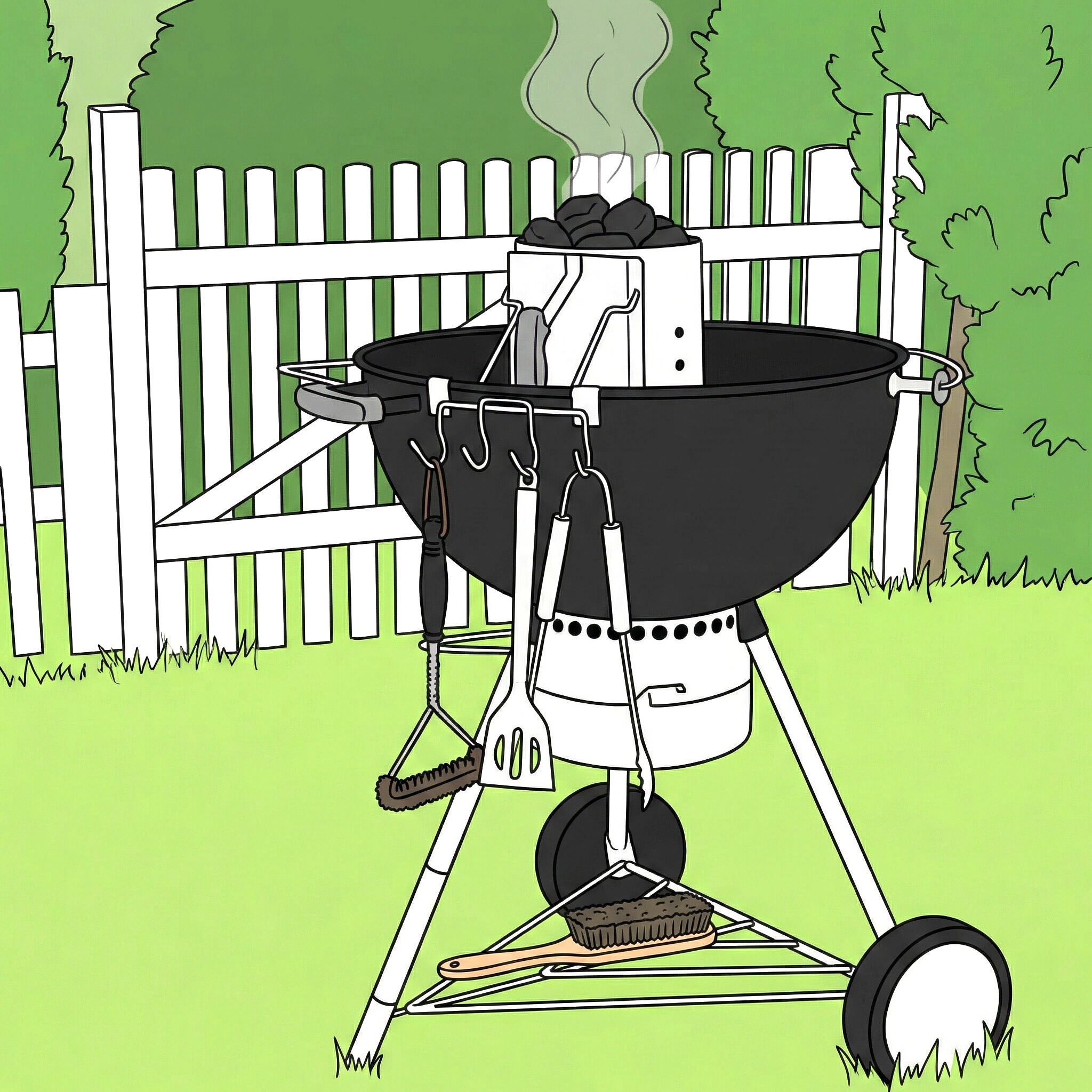
If you ask me, there’s nothing quite like firing up a charcoal grill for an afternoon of backyard barbecue. The smoky aroma, the crackle of the coals, and the satisfaction of cooking over real fire just can’t be matched by gas or electric grills. But to get the results you want, like juicy steaks, crispy-skinned chicken, and perfectly caramelized veggies, having the right accessories is essential. Here’s my go-to list of must-have accessories for anyone who wants to nail that classic charcoal grilling experience.
Choosing the Right Charcoal Grill
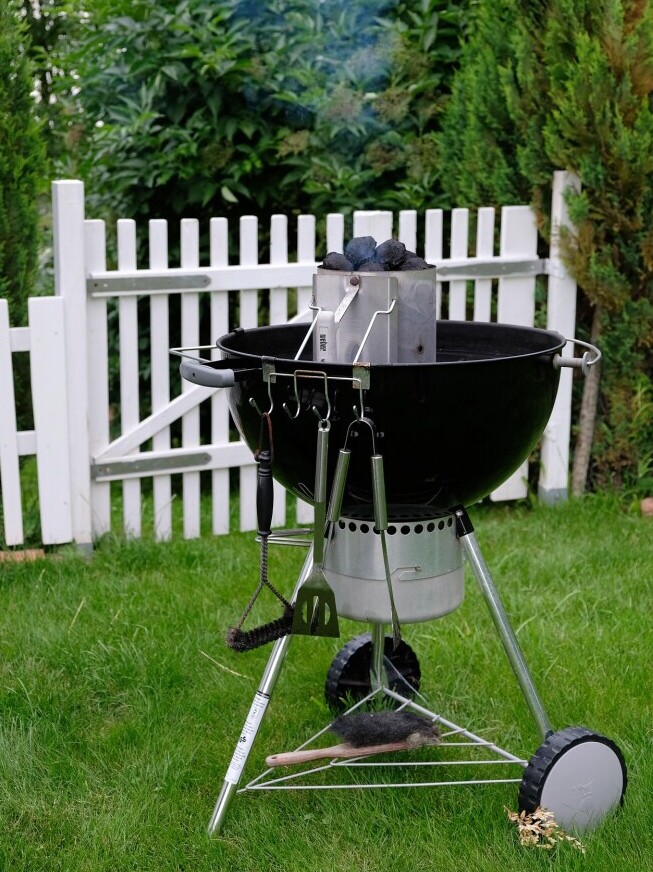
Picking your grill is the first step, and it’s a bigger deal than most people think. Charcoal grills come in all shapes and sizes, and every type has its pros and cons. If you haven’t settled on your grill yet, here’s what I’ve learned from giving a bunch of them a fair try over the years:
- Kettle grills: These round, bowl-shaped grills are classics for a reason. They’re compact, ideal for smoking or direct grilling, and versatile enough to handle burgers, ribs, pizzas, and anything you want to throw on. Weber is the most well-known name here, but plenty of options exist from other brands, too.
- Barrel grills: These are larger and often have more space for grilling lots of food in one go. I like these for big gatherings or smoking bigger cuts like brisket when you need the room.
- Portable grills: If you do a lot of tailgating, camping, or picnicking, a portable grill is a lifesaver. Lightweight models save space but still deliver that iconic smoky flavor, wherever you go.
The main thing is matching your grill size and style to how you plan to cook for family or friends. A smart rule of thumb? Don’t go too small if you host sizable cookouts, or pick a giant grill if you’re usually making dinner for two. There are known brands out there in the market that are worth checking out for reliable, long-lasting gear that can handle real heat and last season after season.
Picking Your Charcoal: Lump Or Briquettes?
The fuel you use makes a huge difference. Here’s how I sort it out in my backyard adventures:
- Briquettes: These little pillow-shaped pieces are made from sawdust and wood scraps pressed together, usually with a few additives. They burn evenly, last longer, and are great for slow cooks. The flip side? Sometimes they produce more ash, and a few brands sneak in fillers that affect flavor.
- Lump charcoal: This is just chunks of natural wood turned into charcoal. Lump heats up faster, burns hotter, and keeps that pure smoky taste. The catch is, lump charcoal can burn out quicker, and the pieces vary in size, so you’ll want to keep an eye on your fire whenever you’re aiming for consistency.
I usually keep both types handy. Briquettes are best for low and slow ribs or pulled pork, while lump charcoal is my go-to for steaks or when I need a fire fast. You can try both and see which fits your grilling style, if you don’t mind. And if you’re just getting started, ask fellow grill fans for their favorites—you’ll stumble upon all kinds of opinions and tips.
Chimney Starter: Getting Your Coals Hot, Fast
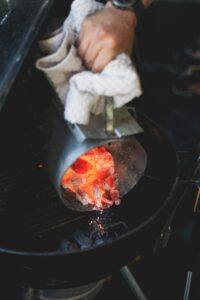 I can’t imagine grilling without a chimney starter. This simple metal cylinder helps you light a batch of charcoal evenly, without the use of lighter fluid. Just fill it with charcoal, stuff newspaper or a natural firelighter underneath, and light it. In about fifteen minutes, you’ll have to glow hot coals ready for grilling. It’s a win for both flavor and convenience.
If you haven’t tried a chimney starter before, you’ll be amazed at how much easier it makes everything. Various brands make sturdy versions, and most options come at a pretty friendly price. Plus, you can always brag to your neighbors about skipping the lighter fluid for good!
Fire Starters & Lighters: Safe Ignition Every Time
A long-stem lighter or a stash of natural fire starters is so helpful for getting your charcoal going. You should keep both on hand. Butane lighters (with an extended reach) work well to keep your hands away from the flames. If you want a greener approach, wood wool fire starters or compressed sawdust cubes do an excellent job without leaving any odd odors behind on your food.
Old-fashioned matches do the trick, too—make sure you’ve got plenty on hand for emergencies. Skip lighter fluid altogether, since it can leave a bad taste on your food, and natural fire starters paired with a chimney starter get the job done just as easily. Easy ignition equals less frustration for everyone around the grill.
Grill Grates & Accessories
Any grill is only as good as the grates on which your food sits, so quality here is essential. In my experience, cast-iron grates are fantastic for getting those searing grill marks and retaining heat well. Stainless steel grates are much easier to clean and are less likely to rust. There are also porcelain-coated grates, which offer a nice balance of holding heat and easy cleaning.
Some grills come with interchangeable grates or griddle inserts for more flexibility. If you love making smash burgers, grilled veggies, or even breakfast foods, you’ll want to track down a griddle or plancha accessory that can handle direct, high heat. Keeping a backup grate or a specialty insert opens up a lot of creative avenues in your grilling adventure.
Grill Thermometer: Trustworthy Temperature Checks
Built-in grill thermometers are usually about as reliable as guessing the temperature by holding your hand over the grill. For absolute accuracy, I reach for a digital probe thermometer to measure food temperature and an infrared thermometer to measure the grates’ temperature. Going with wireless models is smart if you’d rather not keep running outside to check.
This extra peace of mind can result in perfect brisket, chicken, or burgers. There are a bunch of great brands out there—pick one that feels comfortable to use and is easy to read. It’ll change how you grill, for sure.
Long-Handled Tongs & Spatula
Long-handled tongs and a sturdy spatula are the tools I use most often. You can search for tongs with a solid grip and enough length to keep your hands far from the heat. Stainless steel tongs will hold up for years, and some have silicone grips that add a comfier feel.
A well-made spatula, especially a wide and strong one, comes in handy for flipping burgers, steaks, or even fish without losing your meal through the grates. Multipurpose sets can be a solid buy, but steer clear of anything flimsy or plastic—you want serious durability for charcoal temps.
Heat-Resistant Gloves
If you’ve ever tried to move a hot grate or adjust coals with bare hands, you know how quickly things heat up. A dependable pair of heat-resistant gloves is super essential for protecting your hands and wrists from accidental burns. I’ve used both thick leather BBQ gloves and silicone ones—both get the job done, but leather offers a touch more flexibility, while silicone gloves are much easier to wash. Whichever you prefer, make sure they’re rated for temps at least up to 500°F.
Grill Brush or Scraper: Cleaning Made Easy
Keeping your grill grates clean is key if you want better-tasting food and a safer cooking experience. I alternate between a traditional wire grill brush and the newer bristle-free coil brushes. Both work fine, but the bristle-free versions are getting popular because they won’t shed sharp wire bits.
If you use a wire brush, look over it for loose bristles before each cookout. For anyone who wants added peace of mind, a wide, flat scraper or a pumice stone cleaner will take care of stubborn grime. Remember to clean when your grates are still hot—it makes the job a lot easier and prevents buildup.
Vents and Airflow Tools: Controlling The Heat
One reason charcoal grilling stays fun is the amount of control you have, especially over temperature. The built-in vents (sometimes called dampers) on your grill make it easy to adjust the heat: open the vents for a hotter fire, close them a bit to cool things down. This simple trick is how you graduate from rookie to pitmaster over a few weekends.
Every grill handles airflow a bit differently, and there are also gadgets like compact battery-operated fans or bellows to stoke your coals in a hurry. I usually keep it basic: use the vents and a heat-safe glove for adjustments. But airflow tools are cool if you want to experiment and step up your fire management game.
Ash Tool & Bucket: Easy Ash Cleanup
Charcoal grilling leaves plenty of ash, which can block airflow and put out unwanted flavors if left in your grill. I keep a small metal ash tool (it can be a poker, shovel, or rake) to push out remaining coals, along with a dedicated metal bucket for handling and disposing of ash safely. Avoid using plastic buckets—hot embers can stay alive longer than you’d expect.
Some top-tier grills contain built-in ash catchers, which save you a step, but honestly, a simple metal bucket does double duty: ash collector and all-purpose storage for tools once it’s cool.
12 Essential Tools for Successful Charcoal Grilling
Here, there’s nothing quite like the smoky, sizzling flavor that only a charcoal grill can deliver. But as any seasoned griller knows, great barbecue isn’t just about meat, it’s about having the right tools at your side. From sparking the first flame to cleaning up the last bit of ash, the right equipment makes grilling easier, safer, and a whole lot more enjoyable. Whether you’re just starting with your first kettle grill or you’re a weekend pitmaster looking to up your game, this guide covers the 12 essential tools you’ll need to master charcoal grilling with confidence.
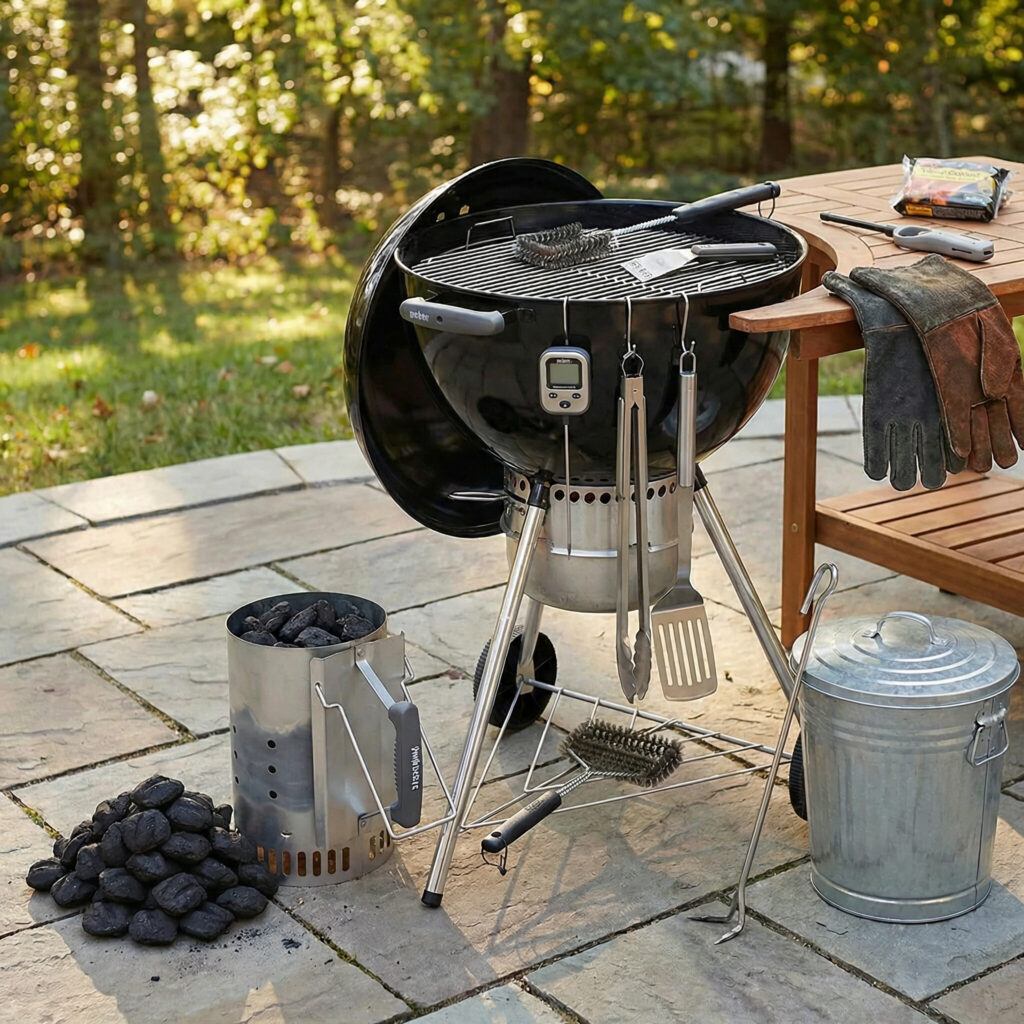
- Charcoal Grill (The Foundation)
Every great cookout starts with the right grill. Kettle grills are compact and versatile, barrel grills offer more space, and portable models are perfect for camping or tailgating. You can choose one that fits your cooking style and space. - Charcoal Fuel (Briquettes vs. Lump Charcoal)
The heart of your grill. Briquettes burn longer and more consistently, while lump charcoal burns hotter and delivers a more natural, smoky flavor. Many grillers keep both on hand for flexibility.
- Chimney Starter
Forget lighter fluid—this simple metal cylinder makes lighting coals quick, safe, and chemical-free. Just load it with charcoal, place newspaper underneath, and watch your coals glow evenly in minutes. - Long-Stem Lighter or Fire Starters
A reliable way to spark your charcoal is a must. Butane lighters, long matches, or natural fire starters make the job safe and hassle-free, especially when you’re firing up a chimney starter. - Grill Grates & Accessories
The cooking surface matters as much as the fire below it. Heavy-duty cast iron grates hold heat well for perfect searing, while stainless steel grates are easier to clean and maintain. Optional accessories like searing inserts or griddle plates expand your grilling game. - Grill Thermometer
Built-in dome thermometers can be off by 50°F or more. A digital probe or infrared thermometer helps you keep precise control over both grill temperature and meat doneness—key to avoiding overcooked steaks or undercooked chicken. - Tongs and Spatula (Long-Handled)
Long, sturdy tongs and a spatula give you control without putting your hands near the heat. Skip short kitchen tools and invest in grill-specific versions made for high heat and heavy food. - Heat-Resistant Gloves
Moving hot coals, adjusting vents, or lifting grates can be risky without protection. A good pair of heat-resistant gloves keeps your hands safe and your grilling stress-free. - Grill Brush or Scraper
A clean grill is a happy grill. Bristle-free scrapers or sturdy wire brushes remove burnt-on residue and prevent flare-ups, keeping your cooking surface safe and ready for the next session. - Vents and Airflow Tools
Temperature control is all about airflow. Learning how to use your grill’s top and bottom vents is essential. Some enthusiasts even use small fans or bellows tools to boost oxygen and stoke the coals when needed. - Ash Tool & Bucket
Ash buildup chokes airflow and makes your grill harder to manage. An ash tool or shovel, paired with a metal bucket, makes cleanup quick, safe, and keeps your grill running smoothly. - Optional Add-Ons (For the Enthusiast)
Once you’ve mastered the basics, extras like cast iron skillets, smoker boxes, drip pans, and grill baskets open up a whole new world of cooking options—everything from smoked ribs to delicate vegetables.
Optional Add-Ons: Taking Your Grilling Game Up A Notch
If you like experimenting or want to make your grilling more adventurous, a few affordable accessories can give your setup a boost and turn up the fun factor:
- Cast iron skillet: A small skillet allows you to cook side dishes, desserts, or delicate foods right on the grill. It’s great for melting cheese, making cornbread, or roasting garlic with a hint of smoke.
- Smoker box or wood chips: These let you add smoky flavor to anything. Soak the chips in water first, then set the smoker box on your coals for an added kick. Try out hickory, applewood, or cherry chips, depending on your main dish.
- Drip pans: Use these to catch dripping fat (making cleanup a lot easier) or fill them with water for gentler, steadier heat and a touch of steam while slow smoking.
- Grill basket: Perfect for grilling shrimp, diced veggies, or even fruit, without worrying about losing bits through the grate. It adds loads of flexibility for plant-based or seafood options.
- Rotisserie attachment: Some grills can be equipped for rotisserie setups, which is next-level cool if you enjoy roasting whole chickens or even prime rib over charcoal. It’s worth a shot if you love experimenting in the backyard.
You don’t need every extra to have fun, but these accessories open new doors and let you test out all sorts of meals and techniques as you get more comfortable behind the grill.
Common Questions About Charcoal Grilling Accessories
Here are a few questions people check in with me about most often, after years of neighborhood cookouts and family feasts:
Q: Can I use my regular oven mitts for grilling?
Standard oven mitts rarely stand up to the high heat of charcoal grilling. They’re more for kitchen use, while genuine heat-resistant BBQ gloves will give your hands way more protection when working outdoors.
Q: Is a digital thermometer worth the investment?
Absolutely. All it takes is one undercooked chicken or one overdone steak to appreciate knowing the exact temperatures. Having the right thermometer takes all the guesswork out of grilling larger items or making perfect pulled pork for your guests.
Q: How should I store my grilling accessories when I’m not using them?
I keep most of my tools in a weatherproof grilling tote or box right near the barbecue. Simple storage bins, hanging hooks, or magnetic strips all work. Metal buckets are ideal for dirty items like grill brushes or spent ash. Organization saves time, every time!
Q: Any tips for traveling with grilling gear?
If I’m heading out to camp or a tailgate party, I pack a foldable grill, collapsible utensils, a chimney starter, and some small storage bags for charcoal and fire starters. Keeping things compact but complete makes portable grilling way easier and more fun for everyone involved.
Extra Tips For Charcoal Grilling Success
- Always let your grill preheat thoroughly, just like an oven. This is the secret to great searing and helps kill off any leftover food bits.
- Don’t crowd the grill. Leaving some space allows heat to circulate and helps food caramelize instead of steaming.
- Add wood chips or chunks for a smokier flavor profile. Try applewood or hickory with pork or chicken, and reach for oak when grilling beef.
- Stay organized by keeping all your tools within reach and keeping your grilling area as tidy as possible. It’ll save you time and make for a smoother experience.
- Take notes on what works best for you. Every grill behaves a bit differently, so jot down details like cook times, charcoal amounts, and recipes that turned out just right. You’ll be glad you did next time you fire things up.
Charcoal Grilling Gear In Action: Real World Examples
- Grilling steaks: Using lump charcoal on a cast-iron grate gives you a deliciously crusty sear. Pair it with a probe thermometer for guaranteed doneness every single time.
- Slow smoking ribs: Briquettes make it easy to keep temps steady for hours of low and slow magic. Toss in some soaked wood chips and a water pan underneath for perfectly juicy, smoky ribs.
- Vegetable kabobs: Grill baskets keep veggies from slipping through the grates, while long-handled tongs make safe, simple flipping a breeze.
- Portable tailgating: All you need is a small kettle grill, a compact chimney starter, and a bag of lump charcoal for juicy burgers or brats before kickoff.
Charcoal grilling should be an adventure, not a chore. The right accessories strip away frustration and keep you focused on what matters: eye-catching meals and memorable good times. Don’t be afraid to try new things or switch things up as you improve your skills.
Here, mastering the art of charcoal grilling isn’t just about lighting some coals and throwing meat on the grates—it’s about setting yourself up with the right tools to make the process smooth, safe, and enjoyable. With these essentials by your side, you’ll be able to control heat with confidence, handle food like a pro, and keep your grill in top shape for years to come. Whether you’re searing steaks for a quick weeknight dinner or slow-smoking ribs for an all-day feast, the right equipment turns every cookout into a success. So fire up that grill, grab your gear, and get ready to impress—because great grilling is all about preparation meeting passion.
With a bit of preparation, the right accessories, and a willingness to experiment, anyone can make great charcoal-grilled food at home. Fire up your grill and get into the fun of cooking outside. For me, it’s one of summer’s best experiences!