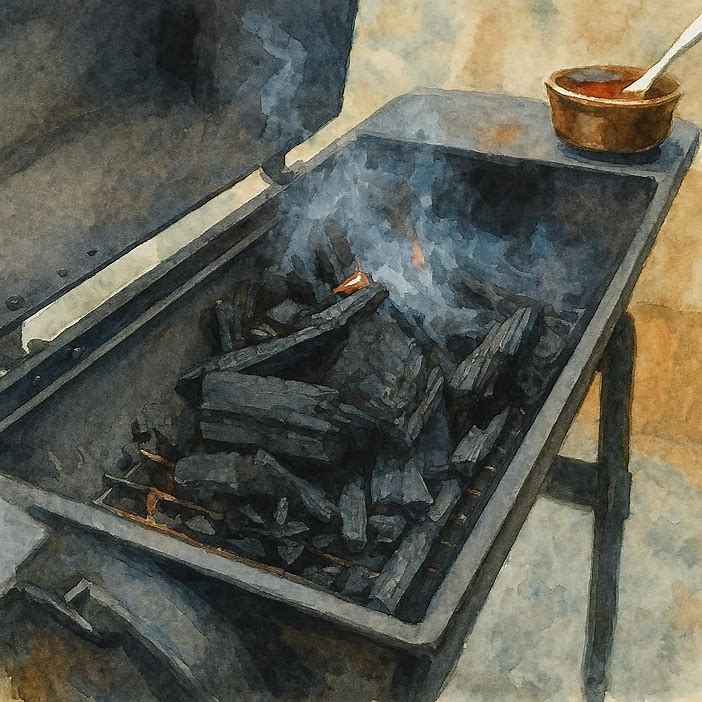
Firing up the grill can turn any weekend into a fun get-together, but picking the right charcoal is just as important as having the best steak or the biggest burgers ready. The type of charcoal you use isn’t just about lighting a fire. It significantly impacts flavor, temperature control, and even the cleanup required afterward. With many options available, choosing the right charcoal for your grill and style can dramatically affect your BBQ results.
Why Picking the Right Charcoal Matters – It is an Art
Charcoal isn’t just a fuel. It adds character to what you’re grilling. How charcoal burns will alter the flavor and texture of your food, as well as how easily you can manage heat and keep things running smoothly at the grill. Over the years, charcoal grilling has moved past plain black lumps from a backyard bag. There’s a range of choices now, and each kind offers something unique, from clean, crisp smoke to deep, rustic flavors.
There’s also a practical side to think about. Some charcoals burn hotter or more consistently, making them better suited for searing steaks, while others are ideal for low-and-slow BBQ, where you want to keep things tender. Sustainable and natural options have also gained popularity recently, so if you care about eco-friendliness or avoiding additives, you have solid choices. Understanding what motivates each type helps you tailor your approach to achieve the desired results.
The Most Popular Types of Charcoal Grilling Fuel
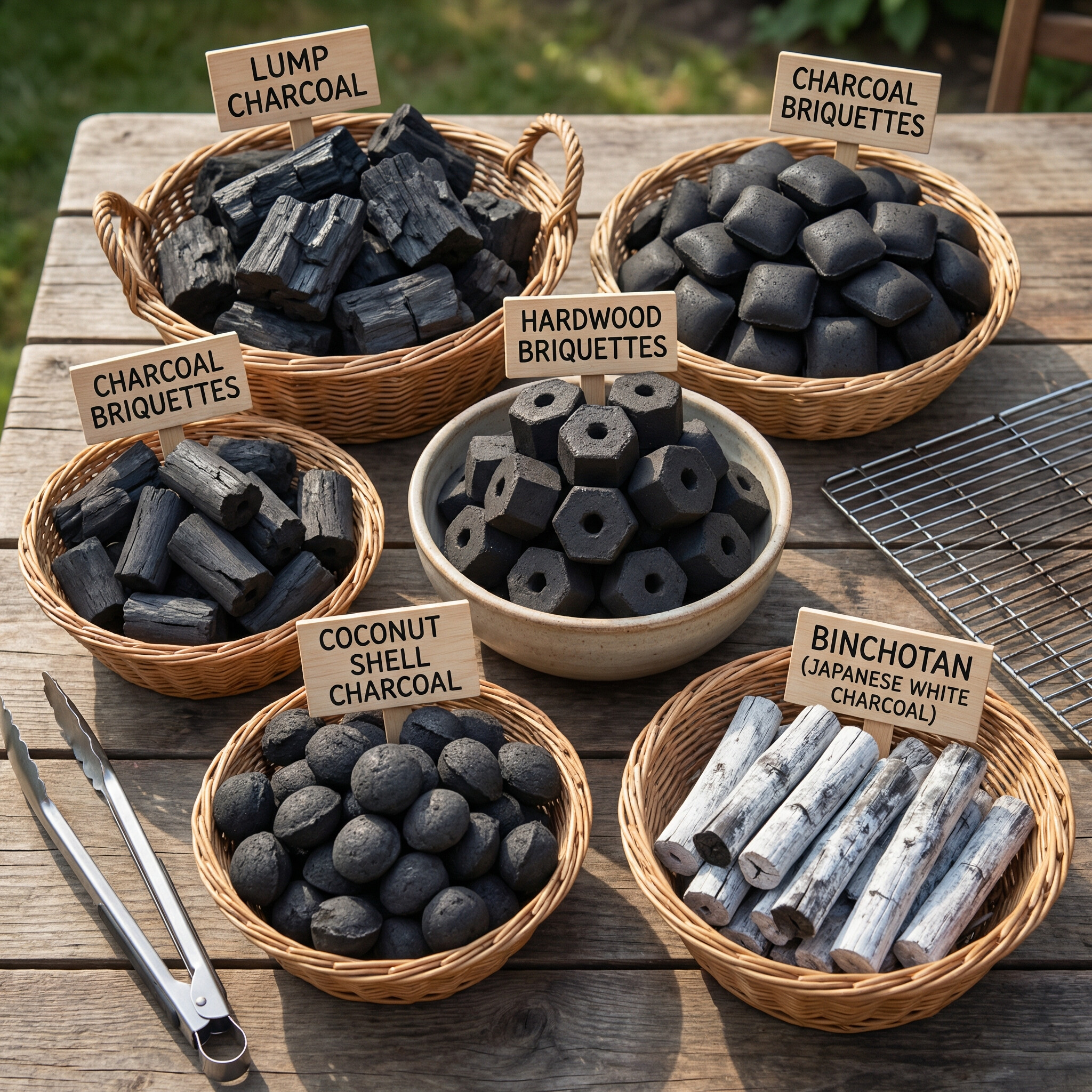
Choosing charcoal often balances convenience, heat, flavor, and even eco-impact. I’ve tried just about every style under the sun, so let me break down the types you’ll run into most often, including their pros, cons, and where they work best:
- Lump Charcoal
- Charcoal Briquettes
- Hardwood Briquettes
- Coconut Shell Charcoal
- Binchotan (Japanese White Charcoal)
Let’s examine the features you’ll appreciate about each type and where they shine in the grilling world.
Lump Charcoal
This is the classic stuff from burning hardwood like oak, hickory, or mesquite while keeping out oxygen. It has no artificial binders or additives—it’s all natural carbon. Lump charcoal’s ability to light quickly and reach a high temperature makes it practical. I’ve seen temperatures push close to 1,400°F (760°C), which is great for searing steak or getting that crispy edge on burgers.
It burns cleaner than most briquettes, leaving less ash behind, and the smoke flavor is subtle yet authentic. Because these pieces aren’t uniform, you may experience some hot and cool spots. Therefore, it’s best to keep an eye on them and adjust the items’ positions to ensure even cooking. Lump charcoal burns faster, so it’s better for shorter, high-heat grilling than a twelve-hour brisket.
- Lights quickly and burns very hot
- Minimal ash and a clean wood flavor
- Burns unevenly and doesn’t last as long as briquettes
I reach for lump charcoal to give steaks or burgers a smoky flavor and a hard sear. It’s also good to grill veggies or anything that doesn’t spend much time over the fire.
Charcoal Briquettes
Briquettes are the go-to choice for many backyard griller’s. They’re made by compressing charcoal powder with binders like cornstarch, and sometimes additives are used to control burn speed and heat. What I like about briquettes is their steadiness and reliability. Lighting takes a bit longer, but then you get hours of predictable heat, ideal for slow-cooking ribs, pulled pork, or chicken thighs.
You’ll get more ash to clean up; flavor-wise, some brands can have a faint chemical taste, especially if lighter fluid has been added. For better results, look for “natural” or “additive-free” briquettes—they’ll keep your BBQ clean and smokier than their chemical-heavy cousins.
- Burns evenly and steadily for more extended periods
- Produces more ash and can leave flavors if additives are included
- Perfect for low and slow cooks and beginners just getting started with grilling
Briquettes work well for any smoked or slow-cooked foods, since controlling temperature is simple. They’re also cost-effective and easy to arrange inside your grill.
Hardwood Briquettes
These act as a compromise between lump charcoal and classic briquettes. Hardwood briquettes are made from the fines of natural lump wood, bound together with vegetable starch—without additives or chemicals. They burn hotter and cleaner than standard briquettes, leaving less ash behind, but they are still manageable for maintaining a steady fire.
- Hotter and cleaner than regular briquettes, with longer burn than lump
- Less artificial flavor and milder smoke than lump charcoal
- A balanced pick for foods where both control and genuine wood flavor matter
These are great for grilling chicken, sausages, and mixed skewers, where you want some woodiness but don’t want to stand over the grill every few minutes. It’s a solid “best of both worlds” choice if you find lump burns too fast but don’t want all the ash of classic briquettes.
Coconut Shell Charcoal
This style is made from coconut shells. It’s a pretty cool upcycled product from the coconut industry, saving trees while reducing waste. Coconut shell charcoal looks different: the pieces are small, round, and dense. They burn steadily and hot, with barely any ash or smoke flavor, so everything tastes clean and natural. Some eco-minded grillers swear by them.
- Burns hot and long with minimal ash
- Neutral smoke profile—great for delicate foods
- Eco-friendly since it uses a by-product that would usually be thrown away
Coconut shell charcoal shines in ceramic grills, kamado cookers, or indoor grilling setups, where you want steady, clean-burning heat. I use it for skewers, seafood, and thin cuts of meat, especially if you don’t want a lot of heavy smoke covering up your flavors.
Binchotan (Japanese White Charcoal)
This is top-shelf stuff serious grillers and Japanese chefs love. Binchotan is handcrafted from oak branches, fired at extremely high temperatures, and cooled quickly in ash, resulting in a hard, glassy, and almost stone-like material. Lighting it is a challenge and a premium choice, but it burns for hours at very high temperatures. It’s essentially smokeless and flavor-neutral, allowing the natural taste of your fish, chicken, or vegetables to shine through.
- Longest lasting, hottest, and nearly smokeless and odorless
- Very little ash to deal with
- Expensive and burdensome to light; sometimes you’ll need a chimney or a butane torch
I save binchotan for extraordinary grilling adventures, such as yakitori or robatayaki. It offers loads of heat control and purity, never overpowering delicate foods. It’s efficient—you don’t need much—so a single setup can last for hours of grilling without a mess.
Charcoal Buying Guide: What to Consider
Choosing charcoal isn’t just about grabbing any type. A few practical details will help you get the best performance and value for your grill sessions:
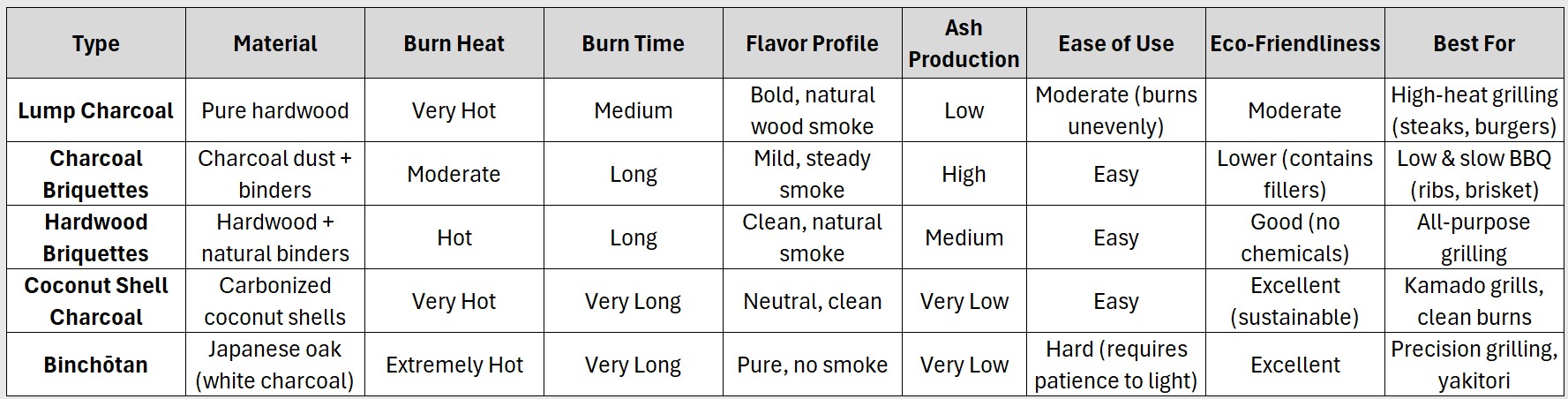
- Burn time: Planning a long BBQ? You’ll want something with endurance (like briquettes or binchotan).
- Heat level: Choose hot, responsive charcoals like lump or coconut shell for fast searing.
- Ash production: If you want less cleanup, lump or hardwood briquettes keep things tidy.
- Additives or fillers: Flavor and health matter—check packaging info and stick with natural or additive-free options.
- Flavor impact: For bold smoke, choose hardwood lump; for subtle or pure flavors, opt for coconut shell or binchotan.
- Sustainability: Coconut shell and some hardwoods are more eco-friendly than bargain-basement charcoals.
Side note: Cheap brands sometimes throw in chemical additives, so it’s worth spending a little more for clean, safe grilling. Your food will thank you.
Getting the Most Out of Your Charcoal: Practical Tips
Charcoal grilling isn’t just about the bag you buy. Proper setup, lighting, airflow, and arrangement all make a difference. Over time, I’ve picked up some habits that really help:
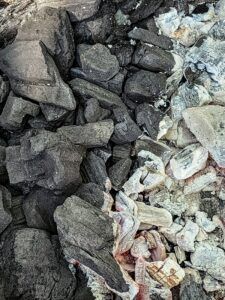
- Use a chimney starter. This tool lights charcoal evenly with newspaper or natural fire cubes. It skips lighter fluid and unwanted flavors. It’s worth checking out if you grill often.
- Let the charcoal ash over: Wait for the surface to get a light, even layer of ash before cooking. It helps with even cooking and reduces flare-ups from burning additives.
- Set up heat zones: Build a hot side for searing and a cooler side for finishing or holding food. All types of charcoal work for this, but lump and hardwood briquettes are especially handy.
- Store charcoal somewhere dry: Damp charcoal is almost impossible to light and doesn’t burn as hot. Keep it sealed, especially in humid climates, to avoid wasted fuel.
Challenges & Troubleshooting Common Charcoal Issues
I’ve run into some classic headaches over the years. Here’s how you can fix them and keep grilling stress-free:
- Charcoal won’t light: Dampness is usually the problem. Try drying pieces in the sun for a few hours or grab a fresh, sealed bag.
- Unwanted odors or off flavors: Watch out for additives, especially in cheaper briquettes. Using a chimney starter avoids lighter fluid contamination. Natural hardwood or all-natural types work best.
- Uneven heat: Move your charcoal around mid-burn or mix in different sizes. Lump often creates natural hot and cool spots, so stay alert with your tongs.
- Too much ash: While some is normal, an overload means trying an ash-catcher or switching to lower ash types like lump or coconut shell.
Real World Use Cases: Which Charcoal for Which Grill?
Different grills work best with specific types of charcoal. Here’s how I’d match them up:
- Classic kettle grills: Lump and briquettes are both good picks. I use lump for high-heat, quick-cook sessions and briquettes for longer, lower-temperature sessions.
- Kamado and ceramic grills: Hardwood briquettes or coconut shell charcoals keep the heat steady and even—perfect for these setups.
- Portable and tabletop grills: Coconut shell and binchotan produce almost no ash or smoke, making them great for small, contained spaces.
- Offset smokers and BBQ pits: Natural briquettes maintain consistent heat for long, slow cooks without constant refueling.
You can also mix things up—try a layer of briquettes below some lump for extra smoke and heat. This combo often gives you the best of both worlds when you want reliability and flavor.
Frequently Asked Questions
Choosing the right charcoal can be challenging, especially if you’re experimenting. Here are some common questions (and straight answers):
How do I store charcoal to keep it fresh?
Keep it dry! Store your charcoal in a sealed bucket, container, or tightly folded bag in your garage to keep it dry and ready when needed.
Is it okay to mix different types of charcoal?
Absolutely. Mixing is a fun way to achieve steady briquette burns and simultaneously a smoky punch of lump pieces.
Do coconut shell charcoals really taste different?
They’re super neutral, giving you almost no added flavor. That’s perfect for delicate foods, though you might miss the smoky boldness of oak or hickory lump. It really depends on what you’re cooking and your flavor goals.
Are chemical additives in some briquettes harmful?
Please steer clear if it smells like lighter fluid or if you spot chemical binders. All-natural options are better for your food and health, and using a chimney avoids chemical residue altogether.
Is it worth spending more for binchotan?
It’s a game-changer for fine grilling and Japanese BBQ. If you grill occasionally, reserve it for special nights when you want pure heat and control.
Takeaway: Picking Charcoal That Fits Your Grill and Style
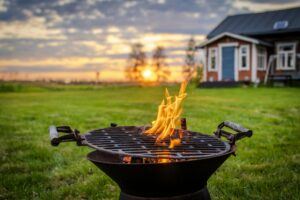 Charcoal is not one-size-fits-all. Your choice shapes your cookout from the first spark to the last burger off the grate. Finding the right grill type and flavor goals that fit your needs can significantly enhance your BBQ experience, whether hosting a party or cooking solo. Experiment, watch how your grill responds, and you’ll track down the charcoal that takes your cookouts up a notch. Keep your grill clean, your charcoal dry, and trust your taste—great grilling starts here.