On BBQ, fire-cooked meat has a universal charm that has remained strong for thousands of years. Around the world, tossing meat over burning wood or hot coals has been a direct path to both flavor and community. That’s basically BBQ in a nutshell —more than just a way to make dinner, it’s a tradition that holds a deep spot in many cultures and continues to evolve even now.
Here, I break down how BBQ evolved from its early days, how it transformed into iconic regional styles, and why these differences matter to both food and history enthusiasts.
The Universal Appeal Of BBQ: Cooking Over Fire
Cooking with fire works for just about everyone. There’s something satisfying about the crackle of logs and that smoky aroma. It brings people together, whether you’re talking late-night campfires, a Saturday park cookout, or packed BBQ joints at lunchtime. While these experiences feel modern, they’re rooted in ancient ways of preparing food that have been part of gatherings for as long as humans have managed to tame fire. Over time, BBQ became a way for people to put their own stamp on what was essentially a means of survival, transforming it into a culture, celebration, and even friendly rivalry about who makes the best ribs or brisket.
Ancient Beginnings Of BBQ
Our ancestors, way before written history, were already grilling meat over open flames. This ancient practice, believed to have started about 1.5 million years ago, not only delighted the taste buds but also ensured food safety. This shared history of fire-cooked meat connects us to our past and the cultural significance of BBQ.
That practice spread everywhere, but the roots of what we now call “BBQ” show up strongest in a couple of places:
- Caribbean Taíno People: The word “barbacoa” is thought to come from the Taíno, the indigenous people living throughout the Caribbean before Europeans arrived. Their version was a wooden rack used to hold meat above a slow, smoky fire, great for cooking tough cuts gently and keeping flies away. Barbacoa led straight to our word “barbecue.”
- Native American Pit Cooking: In what we now call North America, Native Americans dug pits, filled them with hot coals, and slow-cooked game meats wrapped in leaves. The pit method is a staple of southern U.S. BBQ traditions, and you can still find it at some classic BBQ spots today.
- Fire Cooking Spreads Worldwide: Across the Mediterranean, people rotated lamb or goat on spits over embers (think Greek souvlaki or Turkish kebabs). In the Pacific Islands, whole pigs are roasted in underground ovens (imu in Hawaii, lovo in Fiji). African communities used open braais, grill-outs that are still social staples in Southern Africa.
Colonial Influences On BBQ Styles & Techniques
When European explorers arrived in the Caribbean and the Americas, they quickly adopted the barbacoa style. Spanish colonists carried it to Central and South America and back to Europe, sometimes swapping local woods or meats. In the colonies that became the U.S., settlers combined Indigenous cooking with their own ideas about fireroasting and smoking.
This cultural mixing pot created the first distinct BBQ traditions, like these:
- Southern U.S. Pit BBQ: Colonists adapted the underground and aboveground slow-cooking techniques to suit pigs (which they raised in big herds). Over time, smoking pork shoulder, spareribs, or whole hogs became a tradition throughout the Carolinas, Tennessee, and Georgia.
- Caribbean Jerk: In Jamaica, the idea of slow-smoking with aromatic woods (like pimento) morphed into jerk cooking. Influences from Africans and indigenous peoples involved the use of spicy marinades and smoked meats, such as pork and chicken, cooked over open flames, pairing heat with fragrant smoke.
- South American Asado: Gauchos, the cowboys of Argentina and Uruguay, developed asado, which means grilling significant cuts of beef or whole animals over open pits. The meat’s usually just seasoned with salt and sometimes cooked on a cross (asador) beside the fire for a rustic, smoky result.
These methods persisted and evolved as people moved, traded, and added their own spin to them, giving us the BBQ we enjoy today.
BBQ’s 19th and 20th Century Transformation
During the 1800s and 1900s, BBQ kept evolving, especially in the United States. Events like community gatherings, political rallies, and church fundraisers often featured BBQ because it was a fun and affordable way to feed large crowds. Pork was the go-to meat in the Southeast; beef dominated in Texas, where cattle were everywhere. Sauce styles, rubs, marinades, and wood choices shaped the kind of BBQ found in each area.
United States Regional BBQ Styles
- Texas Brisket: Texas ranchers and immigrants from Europe (especially Germany and the Czech Republic) brought skills in smoking meats. Brisket became a signature cut, slow-cooked over oak or mesquite, sliced thick, and rarely drowned in sauce.
- Carolina Pulled Pork: Eastern North Carolina BBQ leans on whole pork, wood-smoked until “pulled” apart, then dressed in a tangy, vinegary sauce. In the West, the sauce gets a tomato kick.
- Kansas City Ribs: Kansas City BBQ took inspiration from everywhere: tender pork or beef ribs, slow-cooked and finished with a sticky, sweet, tangy sauce. Burnt ends, crisp fatty pieces of smoked brisket, are a local favorite.
- Memphis Dry Rub: Memphis is famous for dry-rubbed pork ribs, meaning they’re coated in spices before cooking, with sauce only on the side if you want it.
BBQ cook-offs and festivals gained popularity during this time, transforming local pitmasters into celebrities and solidifying how BBQ had become an integral part of regional identities.
BBQ Tech Changes: Charcoal, Backyard Grills, & New Tools
- Charcoal Briquettes: Henry Ford came up with charcoal briquettes in the 1920s as a way to use up his company’s wood scraps. These little lumps made it much easier to BBQ at home without having to fire up a full pit every time.
- Post-War Grilling Boom: After World War II, American families moved to the suburbs, and backyard grilling took off. BBQ grills have evolved from large, heavy brick pits to portable, easy-to-set-up equipment. Charcoal kettles, hibachis, and later gas grills made BBQ part of weeknight dinners, not just major festivals.
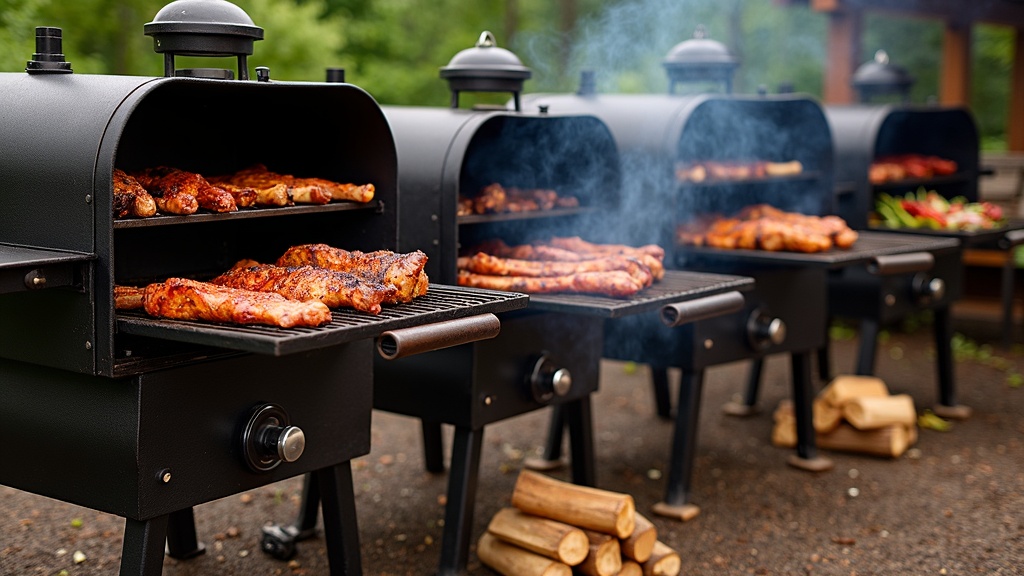
- Rise of Electric and Pellet Smokers: As technology kept improving, electric and pellet smokers let people get those slow, low results with less work. Pellet smokers feed in wood chips to maintain a consistent temperature and flavor, making it easier to experiment with smoke at home.
Global Expansion Of BBQ Styles
BBQ’s not a U.S. thing only. The tradition of grilled meat is everywhere, with each spot adding its own twist. Here are some international BBQ icons I’ve found especially interesting:
- Korean BBQ (Gogigui): Diners grill marinated beef, pork, or chicken at their own tables using built-in charcoal or gas BBQs. The meats come with a side of roasted garlic, kimchi, and dipping sauces, creating a lively and interactive meal experience.
- Japanese Yakitori & Yakiniku: Yakitori stands for roast, bite-sized chicken skewers on open grills using binchotan charcoal (hardwood from white oak trees) for a clean, white smoke flavor. Yakiniku is all about thinly sliced beef and pork, self-grilled at the table and dipped in tare sauce.
- Brazilian Churrasco: Churrascarias serve endless skewers of grilled meats—beef, lamb, chicken hearts—slow-roasted over open flames. The focus is on simple seasoning and juicy cuts, sliced right at your table.
- Middle Eastern Kebabs: In Turkey, the Levant, and Iran, all kinds of skewered meats hit the grill over live coals. Kebabs often feature lamb or chicken, marinated in spices and sometimes yogurt, and are finished quickly over high heat.
As BBQ spread across the world through migration and trade, cooks borrowed, tweaked, and fused techniques to suit local tastes, available fuel, and types of meat. These cross-cultural creations now appear at restaurants, pop-ups, and home cookouts everywhere—from Texas brisket with a ginger-soy glaze to jerk chicken tacos with pineapple salsa.
Modern BBQ And Grilling: Where Are We Headed?
Right now, BBQ’s having a bit of a golden moment, with both tradition and new ideas getting time in the spotlight.
- Craft BBQ Restaurants: These places put extra care into sourcing woods, aging meats, making small-batch sauces, or even using heritage-breed animals for deeper flavor. It’s essentially the “farm to table” movement, but with a smoky and slow-cooked twist.
- Competition BBQ: BBQ cooks can now compete for trophies, prize money, and bragging rights at countless BBQ contests. These events help drive creativity and sometimes lead to wild riffs on classic styles.
- Vegetarian & Vegan BBQ Innovations: BBQ isn’t only about meat. Jackfruit, tofu, and barbecue-rubbed cauliflower pair well with smoky and spicy sauces. Smoking vegetables adds layers of flavor to farmers’ market hauls or everyday meals at home.
- Tech Advances: The latest home smokers come loaded with temperature sensors, timers, and wireless controls. Innovative grills can even be managed through phone apps, which means you don’t have to hover by the pit all day unless that’s part of the fun for you.
Pair these developments with social media (think drool-inducing brisket videos and step-by-step pitmaster guides), and you’ve got a whole new generation jumping in on iconic BBQ traditions. Innovations like fusion BBQ restaurants and BBQ-inspired street food at festivals also keep the culture evolving, so there’s always something for curious eaters to stumble upon.
Key Characteristics Of Iconic BBQ Styles
Understanding the distinct flavors, techniques, and traditions can help anyone appreciate BBQ’s role in different cultures and why it creates so many loyal fans. Here’s a breakdown of some famous types:
- American Styles:
-
- Texas: Focuses on beef, especially brisket, smoked with oak or mesquite, simple seasoning like salt and pepper, served with basic sides like white bread and pickles.
- Carolina: Leans toward whole hog or pork shoulder, lots of vinegar, with some tomato-based sauces in the west; usually shredded (“pulled”).
- Kansas City: Smokes all kinds of meats, uses tomato molasses-based sauces, and serves up burnt ends as a menu highlight.
- Memphis: Dry or wet pork ribs: “dry” means a spice rub, “wet” means sauced during cooking.
- International Styles:
-
- Argentina (Asado): Big, social events that center around beef ribs and sausages, front and center fire pits, and lots of red wine.
- Korea (Gogigui): Fast cooking, bite-sized pieces, lots of marinades, and hands-on grilling for everyone at the table.
- Brazil (Churrasco): Rotating skewers, minimal seasoning, and endless sides like farofa and grilled pineapple.
- Jamaica (Jerk): Spicy jerk seasonings, smoke from native pimento wood, and usually chicken or pork.
Each one represents a distinct blend of geography, technology, local ingredients, and community rituals, showcasing how BBQ evolves while preserving the heart of tradition. Whether it’s the eye-catching platters at a modern restaurant or the classic picnic table piled high with ribs, these styles keep people coming back.
Common BBQ Challenges & How People Adapt
Cooking over fire is rewarding, but even professional pitmasters have to deal with some classic BBQ headaches. Achieving consistent results takes time and a bit of trial and error. Here are some roadblocks I’ve hit or seen friends hit, plus tips to keep things under control:
- Temperature Control: Smoking and grilling both require steady heat, which can be tricky when using wood or charcoal. Invest in a reliable thermometer and set aside extra time for practice runs if you’re new to this process.
- Smoke Management: Different woods create different flavor profiles. Hickory and oak are strong, while apple or cherry is milder. It’s pretty standard to have a “learning smoke” phase, so don’t stress if your first rack of ribs tastes more like a bonfire than you wanted.
- Weather Factors: Wind or rain can mess with temperature and smoke flow. Some diehards set up tarps or windbreaks, but most backyard cooks pick a clear day for their long smokes.
- Ingredient Sourcing: Good BBQ often starts with solid meat quality. Local butchers or specialty stores can get you cuts that reward the extra TLC of slow cooking. For marinades and sauces, fresh spices and herbs also make a difference.
- Gear Malfunctions: Charcoal grills or pellet smokers sometimes break down mid-cook. Having some tools or extra fuel around is handy.
Most people find that a bit of patience and practice pays off, and there’s no shame in taking notes or asking seasoned BBQ fans for their tricks. Home cooks can experiment with different woods, cuts, and spices to hone in on what they like best. That’s really the heart of BBQ tradition.
Modern BBQ Inspiration & Community
The community spirit of BBQ hasn’t gone anywhere. Today, you’ll find everything from small-town BBQ cookouts to massive food festivals in city parks. Online forums, recipe exchanges, and video tutorials help new fans get started and keep the tradition alive, allowing it to continue growing. I’ve picked up so many tips just chatting with folks at local BBQ joints or watching live streams of pitmasters sharing their favorite sauce hacks. Whether you’re into classic styles or creating new smoked veggie dishes, BBQ has room for everyone.
Frequently Asked Questions About Iconic BBQ Styles
Question: What’s the difference between grilling and BBQ?
Answer: Grilling is usually quick and hot, right over the flames, such as with burgers or hot dogs. BBQ is a slow cooking method that utilizes indirect heat and smoke to cook tougher cuts and infuse them with flavor. Low and slow is the BBQ motto.
Question: Do I need fancy equipment to make good BBQ at home?
Answer: Not really. Many backyard pitmasters begin with basic charcoal or kettle grills and gradually build up from there—good meat, patience, and keeping an eye on temperature matter more than having the flashiest smoker.
Question: Why do so many regions have their own BBQ sauce?
Answer: Sauces grew out of local tastes and ingredients. For instance, the Carolinas have tangy vinegar sauces due to their British influence, while Kansas City’s thick sauces incorporate tomatoes and molasses. Each region adapted its recipes to suit the available ingredients and flavor preferences.
Wrapping Up: BBQ’s Role In Culture & Community
BBQ brings people together, across generations, countries, and backgrounds. What started with ancient fire pits has turned into backyard competitions, global feasts, and endless debates about which region does it best. Whether you love brisket, jerk chicken, asado, or new-style smoked vegetables, digging into BBQ means connecting with history, community, and that simple love for good food cooked over fire. Wherever BBQ appears, it continues to tell stories and build bonds around smoky, unforgettable flavors.