

If you’re like me, great barbecue is just as much about the sauce as it is about the meat. BBQ sauce provides the final punch of flavor that really brings everything together on the plate. While it’s easy to grab a bottle off the shelf, I think nothing quite compares to stirring up your own homemade BBQ sauce from scratch. Not only can you match your exact taste preferences, but you’ll also be able to brag a little at the next cookout (always a bonus!).
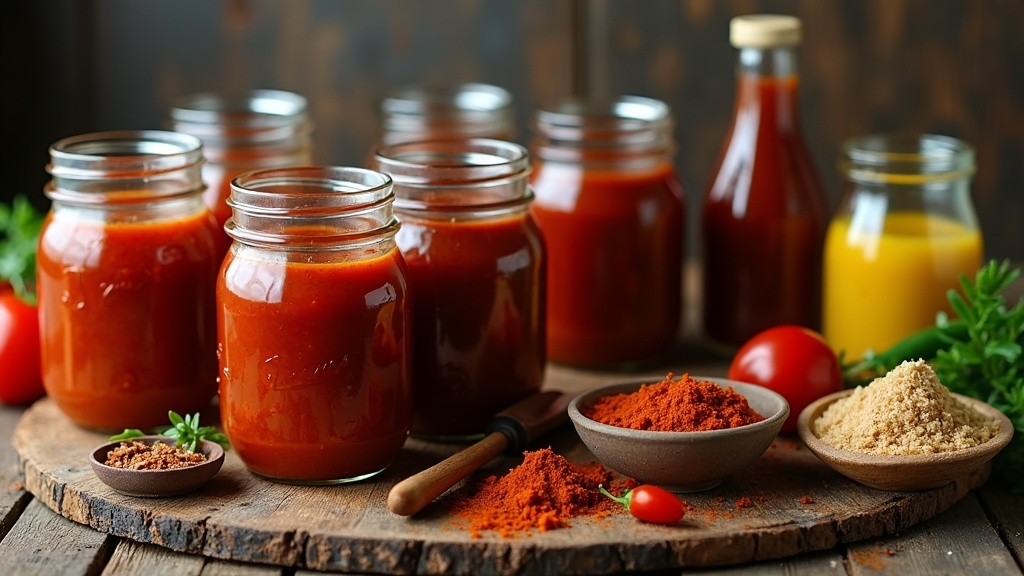
Why BBQ Sauce Matters & How It Complements Dry Rubs
It’s easy to think BBQ sauce is just an extra, but after years of experimenting on the grill, I’ve learned it’s a whole experience on its own. Sauces do more than moisten cooked meat. They build on the flavors created by your spice rubs. Rubs penetrate the surface of the meat and lay down your base notes of smoky, spicy, or sweet flavor. BBQ sauces glaze the outside and finish the dish with taste, texture, and color. When both work together, you get that deep, layered, mouthwatering thing barbecue is known for.
One thing I love about BBQ sauce is the vast variety of styles across North America and beyond. Some sauces are sticky and sweet, while others are tangy or even slightly spicy. There’s rich, smoky tomato-based sauce, sharp vinegar mops, and even mustard-driven options. Depending on where you’re cooking or what you’re craving, you can always find a style to fit your meal.
BBQ sauce also enhances your entire grilling experience by offering a chance to try new flavors. Homemade sauce means you control what goes into it, so that you can worry less about odd ingredients, excessive sugar, or a lack of kick to your liking. As you check out different approaches, you’ll stumble upon secret flavors and combinations that you can’t find in store-bought bottles. Plus, if you’re entertaining guests, homemade sauce shows you care and are willing to go the extra mile for that “next-level cool” barbecue experience.
Core Components of BBQ Sauce
I start every BBQ sauce recipe by considering five main components: “base, sweetness, tang, spices, and depth.” You can play with these ingredients to fine-tune the sauce to your liking. Here’s a closer look at the key parts:
- Base: The most common bases are ketchup, tomato paste, or tomato sauce. If you want to skip tomatoes, mustard, or even mayonnaise, it can sometimes take center stage (especially in specific regional recipes).
- Sweetness: Brown sugar is a favorite for that molasses flavor, but I’ve used honey, maple syrup, and even cane syrup with excellent results. The type of sweetener makes a big difference in taste and body.
- Tanginess: Tang cuts through richness and comes from vinegar. Apple cider vinegar is classic, but distilled white vinegar, red wine vinegar, and even balsamic vinegar have their place. Lemon juice can also add extra brightness.
- Spices & Seasonings: The spice section includes paprika, chili powder, cumin, cayenne, garlic powder, and onion powder. Salt and black pepper round things out. This is your playground; ease up or ramp things up depending on your mood.
- Depth & Smoke: For smoky notes, I sometimes use smoked paprika, liquid smoke, or even a little leftover coffee or brewed black tea. Worcestershire sauce, soy sauce, or a splash of bourbon can also add a little extra something to your sauce.
Mixing up these building blocks gives you endless options. Once you have your basics dialed in, get creative with add-ins. Think finely chopped chipotle, roasted garlic, a sprinkle of celery seed, or even fruit purees like peach or cherry for a twist. This way, your sauce stands out and really matches the dishes you’re serving, whether that’s pulled pork sandwiches, smoky brisket, or grilled chicken.
How to Use Your Dry Rubs in Sauce
If you’ve mixed up a house BBQ rub, you can use it as a building block for your sauce too. I find this really helps the finished sauce mesh with the flavor of your cooked meat, giving you a full-circle taste.

When I want harmony between my rub and sauce, I usually start with ketchup, a splash of good vinegar, and brown sugar, then scoop in a couple of tablespoons of my rub. Stir, simmer, taste, and adjust as needed. This shortcut is handy for tying everything together and saves time by eliminating the need to mix a bunch of seasonings from scratch.
Using your rub in the sauce allows the flavors to truly permeate both the surface of the meat and the glaze. That means every bite is unified, with no odd notes or weird mismatches. If your rub is heavy on black pepper, be cautious of making the sauce too spicy—taste as you go. A little honey or an extra splash of vinegar can help restore balance if you need to adjust the flavor, so don’t be afraid to tweak as you cook.
Popular Styles of Homemade BBQ Sauce (And What Makes Each Awesome)
The BBQ world is filled with regional sauces, each with its own unique character. I love experimenting with different styles, and these are some tried and true classics you’ve probably heard of:
- Kansas City Style: Thick, sweet, and sticky. This style gets its body from tomato sauce or ketchup and its sweetness from brown sugar and molasses. There’s a little spice, but in general, KC sauce is all about balance and a glaze-like finish that clings beautifully to ribs and chicken.
- Texas Style: There’s more pepper and less sweetness here. Some Texas sauces are relatively thin and sometimes made with beef drippings, black pepper, tomatoes, and Worcestershire sauce. It works really well for beef brisket or smoked sausages.
- Carolina Mustard Sauce: Made famous in South Carolina, this one’s bright yellow thanks to lots of yellow mustard. Vinegar and sugar complement the flavors, while black pepper adds a subtle bite. If you love pulled pork, definitely try this at least once; it’s great drizzled or used for dipping.
- Memphis Style: Known for a tangy, not too sweet profile and a thinner body. Memphis sauces are usually applied while the meat is cooking and again right before serving. Vinegar shines through here, and the sauce tends to be less heavy.
Each style connects to different BBQ traditions, so there’s no right or wrong. There are just new flavors to explore. Mixing and matching is half the fun. Try a Carolina vinegar base on grilled wings or give Texas-style sauce a go on your next burger night—you might stumble upon your new signature spin that friends and family rave about.
Building a Basic All-Purpose BBQ Sauce From Scratch
If you’re starting and want a solid, tasty formula, this all-purpose recipe always delivers. It’s easy to customize, and I recommend using it as a base for all sorts of tweaks:
- 2 cups of ketchup
- 1/2 cup apple cider vinegar
- 1/2 cup brown sugar
- 2 tablespoons Worcestershire sauce
- 1 tablespoon Dijon mustard
- 2 to 3 tablespoons of your BBQ rub (or try a mix of equal parts paprika, garlic powder, onion powder, salt, and pepper)
Combine all the ingredients in a saucepan and simmer over low heat for 15 to 20 minutes. This helps the flavors blend and allows
the sauce to thicken. If you want it tangier, add more vinegar. For extra sweetness, toss in a little extra brown sugar or honey. For heat, a pinch of cayenne or hot sauce works great. I pretty much always taste as I go, adjusting and finding that perfect balance; it’s the best way to land on something you’ll love.
Want to step up the basic recipe? Try blending in finely chopped onion or garlic at the beginning, or adding a splash of bourbon or brewed coffee for an extra depth of flavor. If you like it spicy, a teaspoon of chipotle powder or a diced fresh jalapeno can really take it up a notch. The beauty of this recipe is its flexibility—you make it your own.
Extra Tips for Nailing Homemade BBQ Sauce
- Simmer Low and Slow: Giving your sauce time over medium to low heat thickens it up and really blends the flavors.
- Taste as You Go: Your preferences might change based on the meal, the guests, or even your mood. Grab a spoon and sample every few minutes as it cooks so you can tweak with more sugar, vinegar, or spice.
- Chill and Store: Homemade BBQ sauce keeps well in a covered jar in the fridge for 2 to 3 weeks. I usually make a double batch and stash some for a future meal.
- Pairing Sauces with Proteins: Lighter, tangy vinegar-based sauces are great for chicken. Classic tomato-based sauces pair well with ribs and brisket, while mustard sauces are typically made for pork. Experimentation is part of the process!
- Layer Your Sauce: If you’re grilling, don’t put sauce on too early. Let the meat cook mostly to finish, so the sugars don’t burn. Brush the sauce on during the last 10 minutes and again just before serving for a deep, lacquered finish.
- Try Fruit: Adding a bit of peach, cherry, or apple puree can give a sweet tang and set your sauce apart—start with a couple of tablespoons and taste; you might stumble upon a family favorite.
How to Troubleshoot BBQ Sauce
I’ve had a few batches turn out too thin, too thick, or way too tangy. Here’s what works if you want to tweak texture or balance:
- If it’s too thick, whisk in a tablespoon or two of water or apple juice.
- If it’s too thin, simmer uncovered a little longer to cook off extra liquid.
- If it’s too tangy, add more sugar or a splash of honey.
- If it’s too sweet, up the vinegar or stir in more tomato paste.
Always remember, most mistakes are fixable. Keep tasting and taking notes as you adjust; it helps you improve every time you make a batch. If you try a new ingredient and it doesn’t quite hit the right note, adjust with something familiar—like adding hot sauce for a kick, or more ketchup to mellow things out.
Frequently Asked Questions About Homemade BBQ Sauce
Question: Can I make BBQ sauce without ketchup?
Answer: Absolutely. Tomato paste or tomato sauce are both good options. For non-tomato versions, give mustard-based or even vinegar-forward mop sauces a try.
Question: Is BBQ sauce safe to can for long-term storage?
Answer: Most homemade BBQ sauces can be water bath canned if they have the right acidity. Always follow proper home canning guidelines. For everyday use, keeping sauce refrigerated for a couple of weeks is my go-to.
Question: What’s a good vegan substitute for Worcestershire sauce?
Answer: There are several vegan versions available, but you can use a mix of soy sauce, vinegar, and a drop of molasses as a substitute in a pinch. Be sure to taste test as you go.
Question: I can’t find liquid smoke; can I still get a smoky flavor?
Answer: Try smoked paprika or even char your onions, garlic, or tomatoes before adding them to the sauce for a subtle smoke note.
How to Serve and Store Your BBQ Sauce
Nothing beats serving up a jar of homemade BBQ sauce at the table. I always set aside a little extra for dipping. If you’re prepping for a party or want to make life easier through the week, stash your cooled sauce in glass jars or squeezable bottles in the fridge. Sauces freeze pretty well, too, so freezing leftovers in silicone trays for future use is another handy trick.
If you make a unique blend or find a formula your family loves, jot down your changes and keep your own personal BBQ “playbook.” After a while, you’ll have a stash of signature sauces for every grilling mood and occasion. Backyard barbecues become a little more special once you start serving up sauce you made yourself, and that’s a feeling I genuinely enjoy sharing.
In conclusion, making your own BBQ sauce means you can grab hold of the flavors and style you like best. Whether you’re just starting or are tweaking your secret family blend, homemade sauce adds that special touch to every cookout. Get into the experimentation, write down your favorites, and enjoy every moment at the grill. Your next barbecue just might be the tastiest one yet!