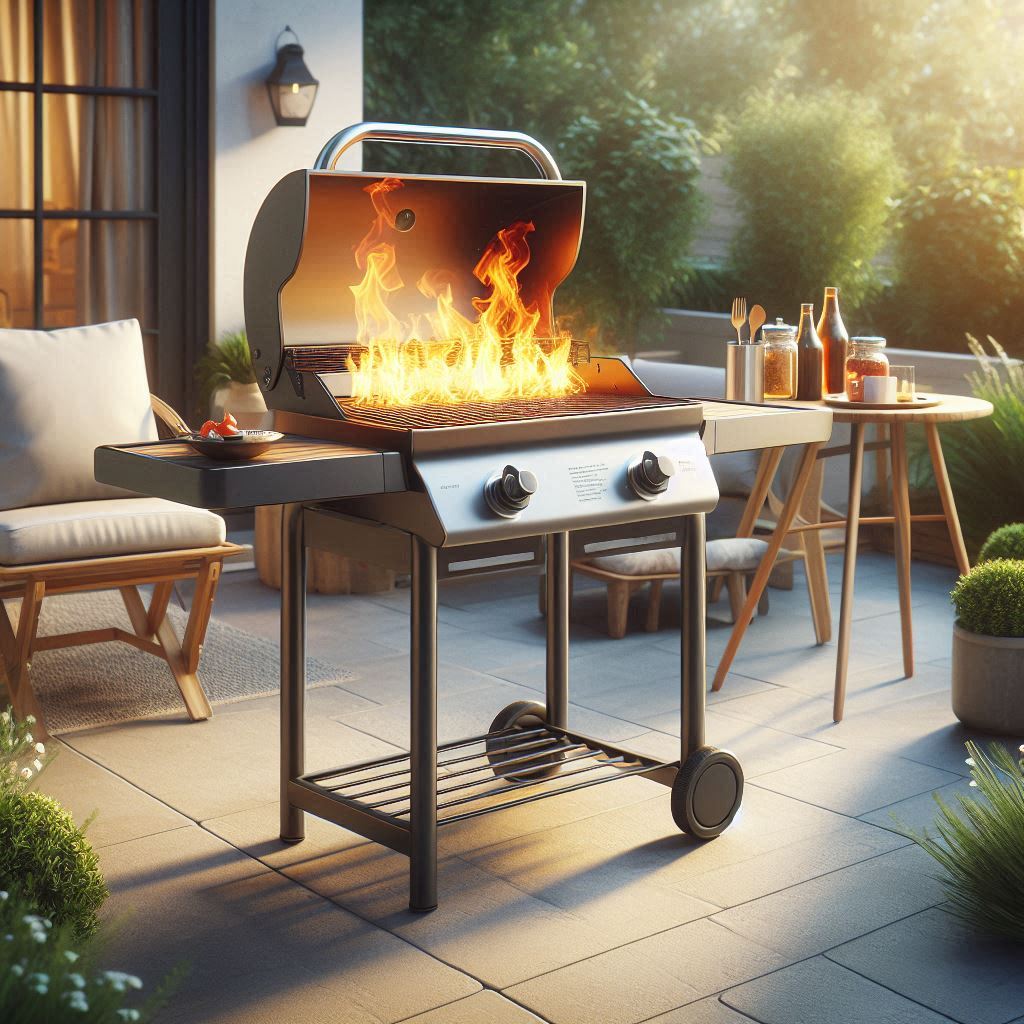
If you ever find yourself battling bursts of flame on your grill, you’re not alone. Flare-ups can be a real pain, turning a relaxed barbecue into a stressful scramble. They’re caused when fat or oil drips onto the flames, and while a little char is excellent, too much fire means burnt outsides and raw inside meat. Managing flare-ups is all about technique and a bit of patience, so I’m breaking down everything that helps you keep control while getting that perfect smoky flavor.
Understanding Grill Flare-Ups
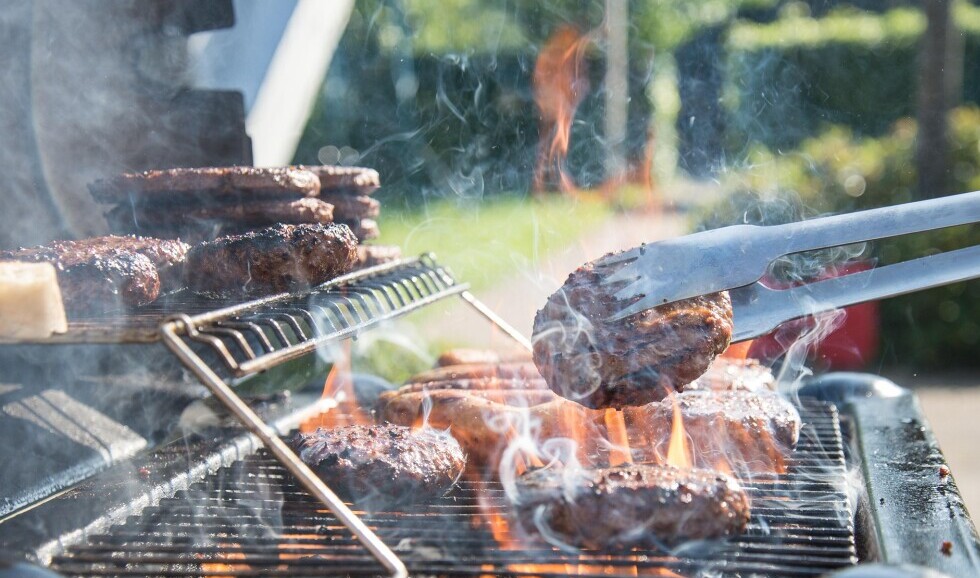
Getting the basics down makes flare-up management a lot easier. Flare-ups occur when dripping fat or oily marinades come into contact with the heat. As the fat vaporizes, it shoots up in a quick flame that licks at your food and spikes the grill’s temperature in no time. Some flare is typical and even helps add smoke flavor, but big uncontrolled bursts ruin the meal.
I’ve learned a few key things that make a big difference:
- Fat content: Higher fat meats give you more drippings and can create flare-ups.
- Marinades and sauces: Sugary, oily coatings run off quickly and feed the flames.
- Heat zones: Cooking everything over one big, high-heat fire gives you zero options when the flames show up.
Getting a handle on these factors helps avoid the panic that comes from sudden flames when you’re just trying to grill a decent burger.
Quick Tips to Prevent & Control Flare-Ups
- Trim fat & pat off marinades, less dripping, fewer flames
- Clean your grill; grease buildup is flare-up fuel.
- Set up heat zones, keep a cooler side ready to move food.
- Use drip pans, especially under fatty cuts.
- Control with the lid, cut off oxygen fast.
- Stay attentive, never walk away from the grill.
Following these basic rules already gets you out of most flare-up emergencies.
13 Points to Prevent and Control Grill Flare-Ups
- Trim Excess Fat from Meats
Before the food hits the grill, I always use a sharp knife to trim thicker layers of fat from steaks, chops, or chicken. Less fat means fewer drippings and less fuel for sudden flames. - Pat Down Marinades and Sauces
I like bold flavors as much as anyone, but an overly wet piece of meat dripping with oil or sugary sauce spells trouble. Patting everything dry before grilling makes a noticeable difference. - Preheat & Clean the Grill Grates
Preheating isn’t just about nonstick magic; it also burns off old grease. A good brush before and after cooking removes leftover gunk, which helps prevent unexpected flare-ups. - Use a Two-Zone Fire Setup
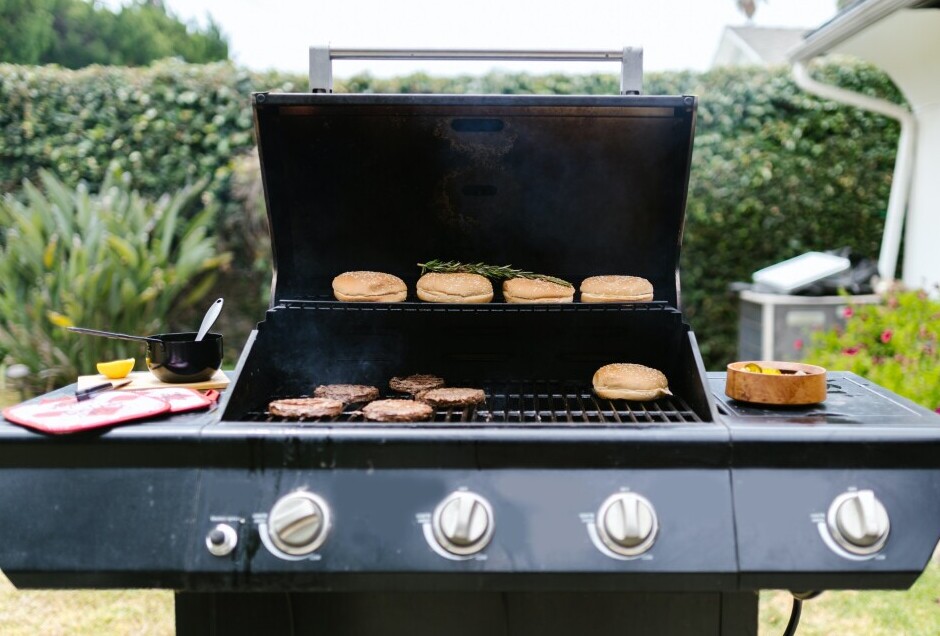
On a charcoal grill, I pile coals on one side for high, direct heat, and leave the other side cool. On a gas grill, one or two burners are left on high while the others are turned low or off. This provides an escape hatch in case flames get out of hand, making it easier to complete larger cuts safely. - Cook with Drip Pans
Especially for fatty cuts like ribs or chicken thighs, setting a drip pan underneath (either filled with water or dry) catches and blocks dripping fat from reaching flames below. Works on both charcoal and gas grills. - Control the Amount of Food on the Grill
Packing the grill to the brim almost guarantees flare-ups. Leaving space gives extra room to move food out of hot spots and allows air to circulate, which actually helps keep the overall grill temperature under control. - Keep the Lid Nearby and Use It Wisely
When a flare-up occurs, closing the lid quickly cuts off the oxygen and tames the flames. I use the lid as my primary tool for blocking air, but I always keep vents partially open so that smoke can escape, while not allowing enough air to fuel a raging fire. - Know When to Move Your Food
If flames leap up under a piece of meat, I use long tongs to shift it over to the cool zone until the fire calms down. Simple, but it works every single time. - Use a Spray Bottle (With Water!)
Keeping a spray bottle filled with water nearby is a grill hack I love. If you spot a little flare-up, a quick mist will knock back the flames. Just don’t spray so much that it kicks up ash onto your food if you’re using charcoal. - Monitor Sauce Placement and Timing
I never brush barbecue sauce or sugary glazes onto food until the very end of the grilling process. These sauces burn fast and can cause instant flare-ups. Waiting until the food is nearly cooked prevents a sticky mess and allows me to finish strong with no drama. - Stay at the Grill – Don’t Walk Away
Grilling needs your attention. Stepping away “for just a minute” almost always means you’ll come back to charred food. Staying close lets me react quickly to any fire before it gets out of hand. - Rotate and Flip Frequently
Regularly turning and flipping food spreads out the melting fat and keeps one side from catching too much fire. - Check for Grease Buildup Under the Grates
Even on gas grills, dripping grease can collect in trays underneath. If the tray gets full or the bottom is filthy, it’s a recipe for big-time flare-ups. I scrape out or empty trays before every BBQ, to keep things safe (and a bit less smoky).
Why Flare-Up Management Matters for Flavor and Food Safety
Some grill masters think a few flames add character, and that’s true to a point. A quick burst of fire can add great smoky notes and a touch of char. But burnt outsides and undercooked insides don’t taste good, and uneven cooking isn’t safe. Flare-ups can also increase the formation of dangerous compounds (like those infamous grill-related carcinogens). Careful flare-up control means you still get flavor, just not at the cost of safety or deliciousness.
I’ve had some meals come out with perfect crust, but when it’s just crispy on the outside and underdone in the center, it’s a letdown. Balanced heat and reactive grilling fix all that.
Troubleshooting Common Grill Flare-Up Problems
Sometimes, even with the best planning, flare-ups happen. Here are some of the most common issues I run into and what’s worked to solve them:
- Fatty sausages bursting into flame as soon as they go on: I poke small holes in each sausage with a toothpick before grilling to help grease escape gently, and always cook them over indirect heat.
- Thick pork chops getting scorched but still raw inside: I start thick cuts on indirect heat with the lid closed, then finish over direct heat for a minute or two per side for color and char.
- Sticky-sweet sauces burning instantly: Brushing on sauce only during the last couple of minutes, and moving sauced portions to the cool zone right away, avoids bitter black crusts.
Extra Tools That Make a Difference
Having a few reliable tools nearby helps reduce stress when it comes to dealing with flare-ups:
- Long, sturdy tongs: Safer for moving food quickly over high flames.
- High heat gloves: Extra protection when you need to get close to the fire to move or rescue food.
- Grill brushes and scrapers: Quick cleans before and after grilling keep things from getting out of hand.
- Spray bottle: Super handy for quick, small flare control, especially with charcoal.
- Drip pans (aluminum or reusable): Simple and affordable for catching drippings under fatty cuts.
Frequently Asked Questions on Flare-Up Management
Grill fans tend to ask a lot of the same flare-up questions. I’ve rounded up a few that come up all the time:
Q: Is a little flare-up really that bad?
A: A quick flame or two now and then isn’t the end of the world; it can add a hint of smokiness and nice char. It’s only a problem if it gets out of hand and burns your food or throws off your cooking times.
Q: My gas grill has flare-ups even when it’s clean. What gives?
A: It usually comes down to fat drippings or oil-heavy marinades. Even a clean grill can flare up if grease builds up quickly; try trimming more fat or switching to leaner cuts occasionally.
Q: Can I douse big grill fires with water?
A: Dousing a large fire with lots of water isn’t safe; it can cause steam, ash blowback, or grease splatter. Instead, close the lid and block oxygen; keep a spray bottle for minor flare-ups only.
Q: I want a smoky flavor, but no flare-ups. Is that possible?
A: Definitely. Use wood chips in a smoker box or wrap them in foil with holes poked in it. Place them on the hot side; you’ll get all the smoke you want without open flames chasing your food.
Beyond the Basics: Keeping the Grill Fun (and Safe!)
Managing flare-ups means you stress less and enjoy your food more. Over time, you’ll develop a sense for your grill’s behavior, various cuts of meat, and how the weather affects the flames. Every grill session builds more confidence. Practice and a little planning go a long way toward making each cookout a fun, tasty success, instead of a last-minute dash to rescue your dinner from the flames.
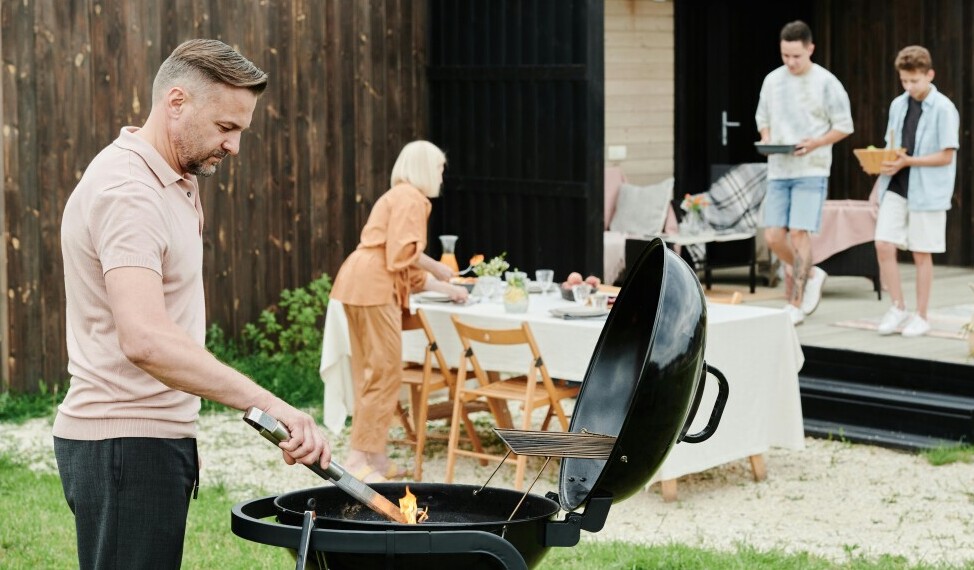
With these steps and tips, achieving a flavorful, perfectly cooked meal without the chaos of flare-ups is totally doable. Grab your favorite ingredients, set up with a good plan, and grill on!
How to Build More Expert-Level Grill Skills
If mastering flare-up control is your first step, you can continue learning to elevate your grilling to the next level truly. Experiment with different charcoal, check out various woodchip mixes for smoke, and try out new dry rub blends. Discover how wind, humidity, or even outside temperature can affect your grill’s fire and learn to make minor heat adjustments as you cook.
If you truly want to delve into the art of grilling, try sourcing different woods for their smoke flavor and study how varying cuts of meat react to different heat levels. The adventure never really ends, and each summer offers new recipes, gear, and techniques to test. Grilling well is about patience, practice, and keeping a calm head when flames get lively. With time, you’ll pick up tricks that make every barbecue better.
The Bottom Line: Grill Without the Stress
In conclusion, managing flare-ups shouldn’t make grilling any less enjoyable. With a bit of patience and the right tools at hand, you can keep things under control and serve up mouthwatering results every time. Stay attentive, don’t overload the grill, and always be ready to move food or close the lid. The more you grill, the easier it becomes to spot when a flare-up is about to start and stop it right in its tracks. So fire up the grill, enjoy the adventure, and let great meals and good company be the goal of every backyard cookout!