Mastering good barbecue takes more than just firing up the grill. You need to know what you’re doing with dry rubs and marinades, too. After trying everything from classic Texas barbecue to spicy Korean wings, I’ve often found myself wondering: Does it matter more to nail your dry rub technique than to become a pro with marinades? Here’s my take after plenty of taste tests and more than a few kitchen messes.
Dry Rubs vs. Marinades: The Basics
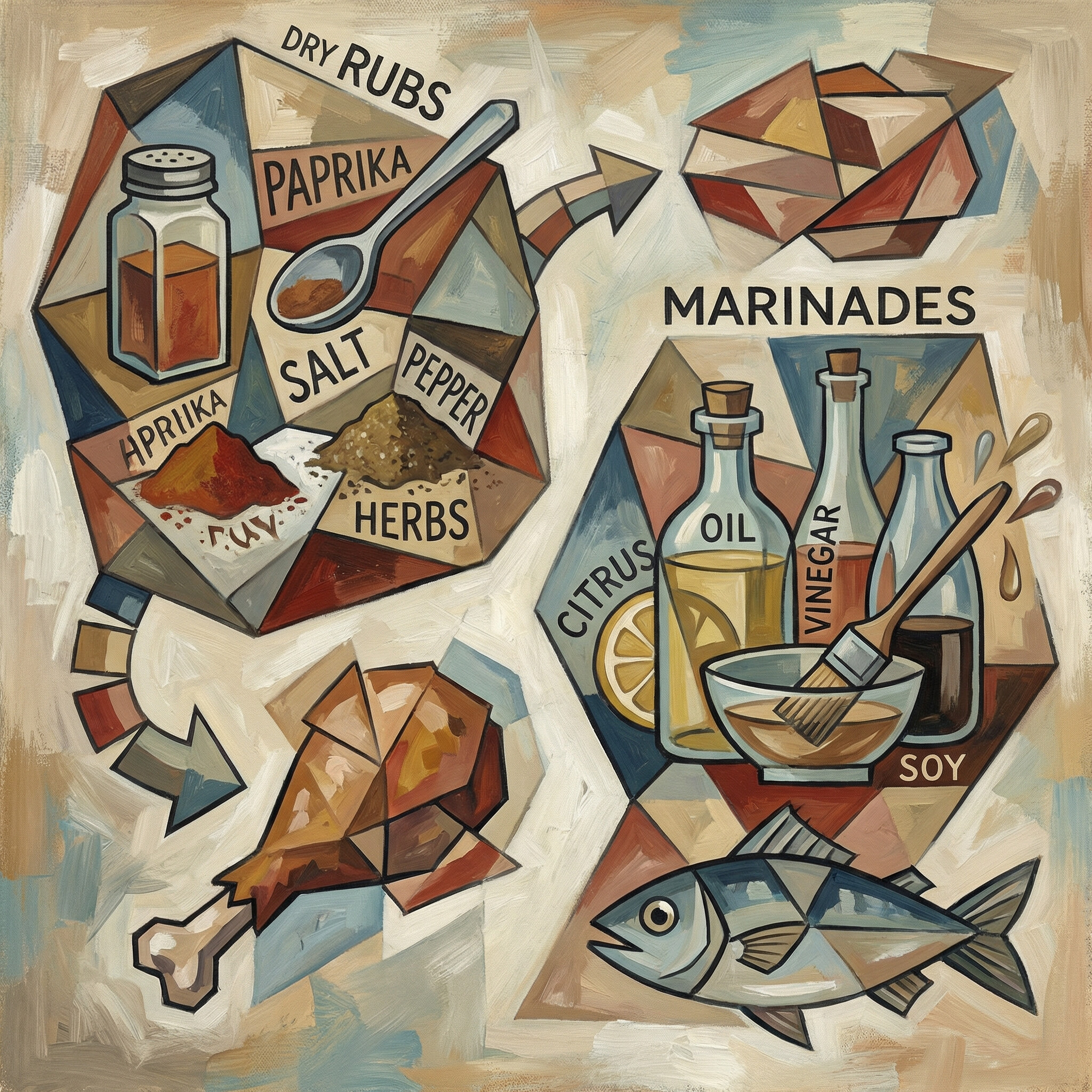
Grilling and smoking meat brings up an age-old debate: do dry rubs offer something marinades can’t, or vice versa? Understanding the unique strengths of each helps take barbecue from average to excellent, so I’ll break it down in simple terms that even a beginner can use.
Both dry rubs and marinades are used to season meat before cooking, but they work in totally different ways. The first coats the meat with intense surface flavor, while the second seeps in, sometimes changing the texture as it goes. Knowing when and how to use each can make all the difference in the final flavor and feel of your food.
What Is a Dry Rub, and What Does It Do?
A dry rub is a custom blend of spices, herbs, and sometimes salt or sugar, massaged onto meat right before cooking. It’s designed to stick to the surface and build up a flavorful, textural crust. If you love that deep brown, slightly crunchy edge on ribs or steak, this is how you get there.
- Purpose: Creates a savory crust, caramelizes sugar, and toasts spices, all while building a bold aroma and flavor.
- Best For: Grilling quick-cooking meats such as steaks, pork chops, chicken thighs, or ribs destined for a smoky, crunchy bark. This ‘bark’ refers to the flavorful, slightly crispy outer layer that forms on the meat during grilling, enhancing the overall texture and taste.
- Pros: No extra wait time, super easy to apply, and gives that immediate punch of flavor when you take a bite. Makes browning easier, too.
- Cons: Doesn’t tenderize at all, and most flavor stays at the surface. If you bite deep into a thick roast, you might only really taste it on the edges.
Dry rubs are not just a quick fix; they are a canvas for your culinary creativity. When I’m in the mood for that BBQ crust you see in all the pitmaster competitions, I turn to dry rubs. My classic rub mixes usually include smoked paprika, brown sugar, cumin, kosher salt, and cracked black pepper, but the beauty of dry rubs is that you can get creative with whatever is in your spice cabinet. Sometimes, I add a dash of mustard powder or even a little cocoa for depth. The possibilities are endless, and the results are always delicious.
Getting to Know Marinades
Marinades are liquid mixtures where meat soaks for hours (sometimes overnight), usually combining oil, acid, herbs, spices, and aromatics. The acid—think vinegar, citrus, or yogurt—can start to break down tough fibers in meat, while the oil helps deliver fat-soluble flavors farther into the cut.
- Purpose: Provides moisture, penetrates the surface for deeper flavor, and helps soften chewy cuts of meat.
- Best For: Lean or tough cuts that could use a little help: chicken breast, flank steak, pork tenderloin, fish fillets. Anything that dries out easily benefits here.
- Pros: Gives a juicy bump to lean meats, and can change the mouthfeel by tenderizing the surface (and sometimes a bit deeper). Opens the door to flavors from around the world, like Greek-style lemon oregano, teriyaki, or classic garlic-herb.
- Cons: Takes time and planning, and if you go too strong with the acid, you could end up with a mushy mess. Also, unless you marinate for a long time, the flavor might not reach the center of thicker cuts.
In my kitchen, I find myself turning to marinades when I want to transform the flavor profile of my dish. Whether it’s a Greek-style lemon oregano, teriyaki, or a classic garlic-herb blend, marinades have the power to take your taste buds on a journey around the world. The acid in the marinade does all the heavy lifting, and the results are always surprising and delightful. Don’t forget that oil in a marinade can add lushness and help the grill marks sear better, too. It’s a game-changer for your grilling experience.
Breaking Down the Science: How Each One Works
Understanding the “why” behind rubs and marinades can help you decide when each technique suits your goals. Dry rubs work primarily at the surface. Salt and sugar draw out moisture from the very edge of the meat, then form a tasty crust as they cook. They don’t seep in. Instead, that flavorful bark makes every bite start strong.
Marinades, in contrast, use water, oil, and acid to infuse flavor more deeply. Food scientists agree: most marinade flavor only gets a few millimeters deep, but with thin cuts or chicken parts, that’s often enough to change the eating experience. Even with thicker steaks, the first couple of bites can taste completely different after a good marinade.
Acids break down some of the proteins at the surface, giving meat a more tender edge. The oil draws fat-soluble flavors into the outer layers and can help hold in moisture during cooking, boosting juiciness, especially if your meat isn’t naturally full of fat. Marinades also allow for more flavor complexity with the addition of ingredients like garlic, ginger, or hot peppers that come alive after a good soak.
Choosing Rubs or Marinades: It All Depends on the Cut
Matching your meat to the proper prep technique is not just important; it’s crucial. Thick, fatty steaks usually don’t need a marinade’s extra moisture. They do great with a bold dry rub, especially if you want that charred, crunchy outer crust that makes each bite stand out. Understanding this principle will make you feel more knowledgeable and confident in your cooking decisions.
On the other side, cuts like chicken breast, pork tenderloin, or flank steak can dry out or remain chewy without help. A marinade can add juiciness and a little tang that keeps every bite interesting. Fish, especially, often needs a marinade. Just keep the soaking time short (30 minutes or less) to avoid breaking down the texture. And with shrimp or scallops, even 15 minutes is enough for both flavor and tenderness.
If I want bold, surface-level spices and crunch, dry rubs shine. When I’m cooking with lean meats or looking for a change in tenderness, marinades do the trick. Sometimes I’ll even combine both, marinating for tenderness and finishing with a dry rub for extra pop on the grill.
Pros and Cons: A Quick Comparison
- Dry Rubs Are Great For: Fast weeknight grilling, BBQ bark, spicy crusts, and anyone who likes a strong hit of flavor up front. Also pretty handy when you didn’t plan ahead but still want something delicious.
- Marinades Are Great For: Meal prep, flavoring mild or lean cuts, experimenting with global flavors, and keeping food juicy while it cooks.
Pairing each technique with the proper cut of meat and the correct cooking method gives the best results. No single method is going to “win” every time. Think about your time, your favorite flavors, and the texture you’re looking for for each meal.
Common Mistakes People Make with Rubs and Marinades (and How to Avoid Them)
- Going Too Heavy on Salt or Sugar: With dry rubs, too much salt can dry out the surface, while too much sugar can burn fast. Stick to balanced mixes, and adjust for the heat you’re using on your grill.
- Forgetting the Pat Dry: Applying a rub to a wet surface can make it pasty and less likely to brown. Blot meat with paper towels first for best results.
- Too Much Acid in Marinades: This is a common slip. Marinating shrimp in straight lemon or chicken in vinegar for hours will give you mushy, broken-down meat. Mix the acid with the oil and be mindful of the time.
- Not Enough Time (or Too Much Time): A quick dusting of rub works, but letting it sit for 15–30 minutes gives more intensity. Marinades often need at least an hour, but going overnight is best only for sturdy cuts. Thin meats can go soggy if left too long.
- Using Metal Bowls for Marinades: The acid in marinades can react with metal, so always use glass or food-safe plastic.
After burning a few racks of ribs and ending up with lemon chicken that tasted more like a cleaning product, I learned the hard way to check recipes and timers. Minor tweaks go a long way to improving flavor and texture in the kitchen.
Tips to Step Up Your Dry Rubs and Marinades
Whether you’re on Team Dry Rub or Team Marinade, there are a few tricks I’ve picked up over the years that work wonders for both. Here’s how you can give a boost to your next cookout:
Building Better Dry Rubs:
- Start with base flavors: salt, black pepper, garlic powder, and smoked paprika are usually my top picks.
- Add sugar for caramelized crust, but keep it moderate if you’re grilling directly over high heat to avoid burning.
- Start small—you can always add more. Bold flavors are great, but too much can overwhelm, especially with hot peppers. Try dried herbs, coriander, or a touch of mustard powder for variety.
- Let the rub sit on the meat while you prep the grill. Even 15–30 minutes helps draw in flavor.
Marinade Magic:
- Use a 3-part formula: 1 part acid (like citrus juice or vinegar), 1 part oil, then flavor with herbs, garlic, spices, and a pinch of salt.
- Give thin meats only 30 minutes or so. Think of it like a quick bath, not a soak. You can even boost depth with soy sauce or Worcestershire in moderation for umami.
- For sturdy cuts, go for several hours or overnight. Just keep tabs so nothing gets mushy. With chicken thighs or pork shoulder, overnight marinating gives the most flavor, but keep the acid-to-oil ratio balanced.
- Pat meat dry before grilling to help with browning, even after marinating.
Part of mastering either technique is about building your own flavor “signature,” using a recipe as a starting point but adjusting as you go. Homemade rubs and marinades are easier, more affordable, and far tastier than store-bought versions in my experience.
Extra Gear & Tools That Make the Difference
Specific tools make working with rubs and marinades smoother. You don’t need to turn your backyard into a pro pitmaster space, but a few basics help:
- A set of mixing bowls (suitable for both blending rubs and tossing meats in marinade; glass or plastic for acids!)
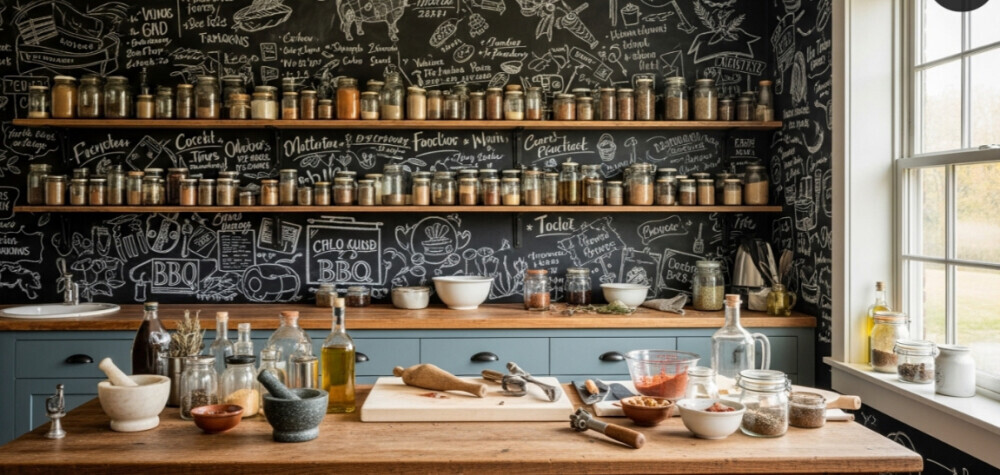
- Mason jars or spice containers for dry rubs—mix up a big batch and keep it on the shelf for easy access
- Basting brushes or spray bottles for brushing marinade onto food as it cooks
- Resealable plastic bags for marinating—great for even coverage and simple cleanup
- Paper towels for patting meat dry (a wet surface ruins browning)
- Digital meat thermometer so you never overcook your juicy, marinated meats or that perfect dry-rubbed steak
If you’re serious about grilling a lot, adding a wire rack for air-drying rubbed meats helps develop a nice crust. For marinades, a vacuum sealer can cut marinating time in half for last-minute plans.
Dry Rubs and Marinades in Global Barbecue
Exploring how other cultures use rubs and marinades opens up a world of flavor. In the American South, barbecue rubs rule—especially for pork and brisket. Jamaican jerk chicken uses a dry rub loaded with allspice, Scotch bonnet, and thyme, while Mexican carne asada often gets marinated with lime and spices.
Meanwhile, Indian tandoori chicken depends on a thick yogurt marinade, and Greek souvlaki gets a lemon oregano soak. Asian cuisines regularly use soy sauce, ginger, and garlic as a backbone for both methods. Trying international recipes is a great way to see when each technique shines and to add new dishes to your grilling routine.
Whenever I want inspiration, I look up traditional recipes from outside the U.S. Adapting them to my grill gives me new ideas for rub and marinade combos I never would have thought up otherwise. It’s like taking a trip around the world, right from your backyard!
Frequently Asked Questions
Here are some questions people often ask (or that I’ve had myself) as I tried both dry rubs and marinades:
Can I use both a dry rub and a marinade on the same piece of meat?
Yes, but timing matters. If you marinate first, pat the meat dry before applying your dry rub. This is an excellent approach for big, bold flavors. Just avoid overlapping the same salt and high-seasoning to keep the results balanced.
What if my meat always comes out too dry?
Lean cuts over direct heat will dry quickly, especially with just a rub. Try marinating next time, or grill with indirect heat and pull the meat off right as it hits the safe internal temp.
Are store-bought rubs and marinades any good?
Some are tasty, but homemade versions are usually fresher, more customizable, and let you control the amount of salt, sugar, and spice. They’re also less expensive in the long run.
How do I avoid the mushy texture from over-marinating?
Keep acidic marinades short, especially for seafood, chicken, or minor cuts. If you need a longer soak, switch to lower-acid, oil-based marinades or stick to dry rubs for convenience.
Final Thoughts: Is Mastering Dry Rubs More Critical?
Grilling isn’t about choosing sides—it’s about knowing your ingredients and matching the technique to the cut. Sometimes you want the punch of a rub, other times the subtle infusion of a marinade. Master both, and you’ll never be at a loss when you fire up the grill.
In my experience, dry rubs and marinades offer unique benefits. For surface-level flavor, crunchy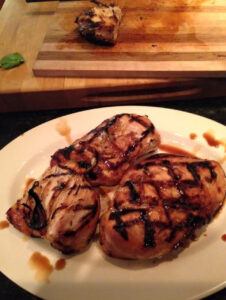 exteriors, and weeknight speed, getting the hang of dry rubs is essential, especially since you can whip one up in minutes without a plan. For lean meats, tougher cuts, or times I’m after depth and moisture, getting marinades right delivers big payoffs and opens up tons of new flavor combos.
If I had to pick what’s “more crucial,” I’d say most home cooks get the fastest boost to flavor by learning dry rubs first, since you can use them last-minute and taste the results. But if you want to melt your mouth on things like chicken breast or beef strips, or if you’re chasing global flavors, marinades are super helpful to pick up as well.
The good news? Neither skill is complex to pick up, and you’ll have a lot of fun (and tasty meals) practicing both. So, fire up that grill, grab your favorite rub or marinade, and make the most of everything barbecue has to offer.
Happy grilling!