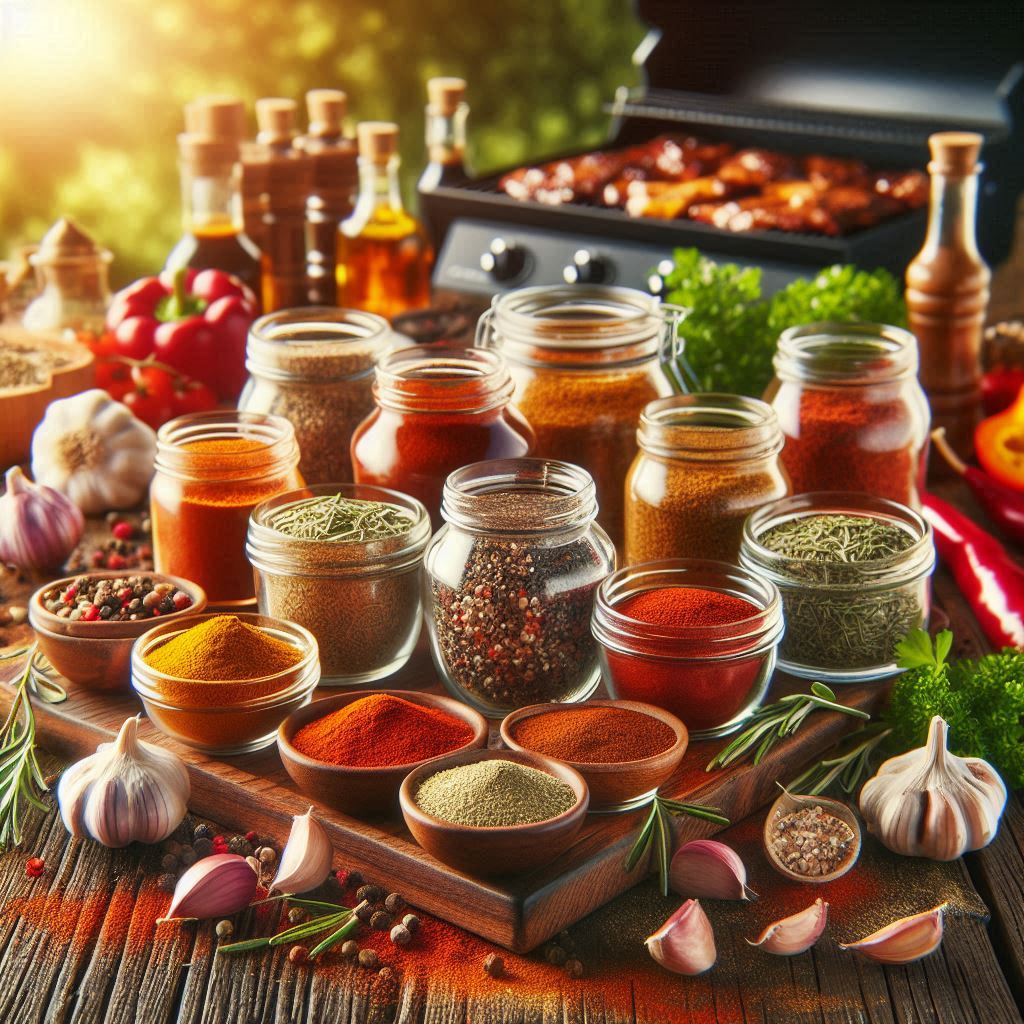
The smell of smoky meat sizzling on the grill stops people in their tracks. That mouthwatering aroma comes from the BBQ rubs.
In the world of barbecue, rubs are like the secret handshake. Those who know, know. They’re what take tender ribs or juicy brisket from basic to unforgettable.
The Ultimate Guide to BBQ Grilling Rubs
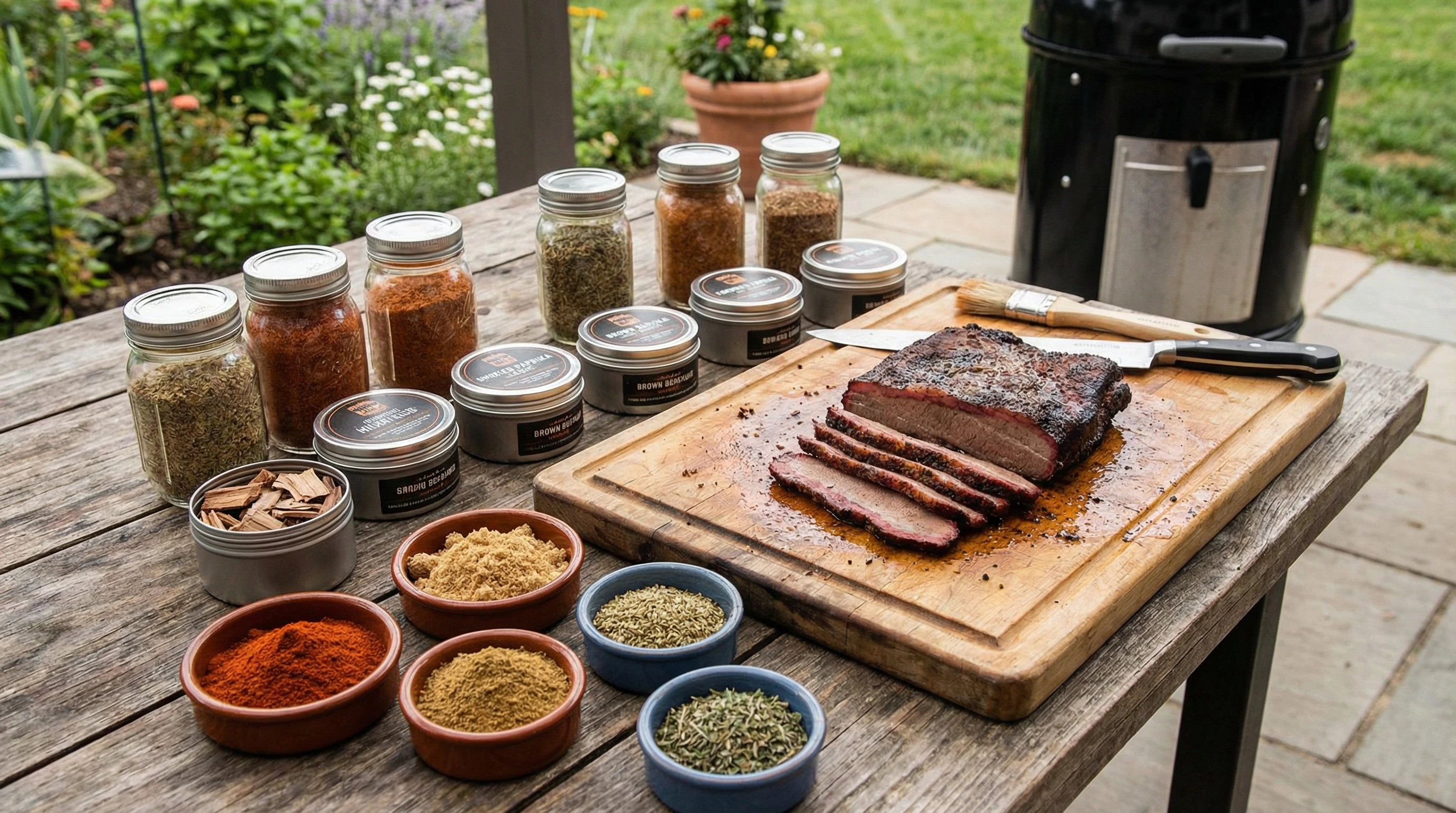
I see BBQ rubs as the unsung heroes of outdoor cooking. At the core, a rub is just a custom blend of spices, herbs, salts, and sugars. You mix this up and slather it on your meat before grilling or smoking. The results are delicious and difficult to dispute.
Rubs do more than add flavor. They help create that irresistible crust (known as the “bark”) on low-and-slow cuts, and they can help keep your meat juicy by locking in moisture.
Whether you’re new to the BBQ game or already obsessed, I’m breaking down how rubs came to be, why they work, and the lowdown on how to use them for excellent results. I’ll also share seven popular BBQ rub types and some tips for making your own signature blend. There’s plenty here for everyone who loves good food and playing with fire.
A Brief History of BBQ Rubs
Humans have long used spice blends. Thousands of years ago, Egyptian and Chinese cooks seasoned meats with mixtures of herbs and minerals, sometimes to preserve them and sometimes to add a punch of flavor. Indigenous cultures in the Americas and the Caribbean used allspice, native chilies, and local herbs to address the twin challenges of keeping meat both palatable and safe in hot climates.
The roots of barbecue date back to the Taíno people of the Caribbean. Their word for slow-cooked meat over green wood was “barbacoa.” When Europeans arrived, this cooking method started to spread. So did the idea of seasoning the meat heavily before cooking. As the barbecue style spread from the Caribbean through Mexico, into the American South, and eventually nationwide, the spice blends evolved to reflect local ingredients. Wherever grilling got popular, rubs followed close behind.
Origins: How BBQ Rubs Were Created
Initially, people used salt and whatever dried herbs they could find, mainly to preserve meat. With the boom of the global spice trade in the 15th and 16th centuries, traders started bringing everything from black pepper and paprika to cumin and dried chilies to the Americas. As those spices became available, home cooks and pitmasters began building on the basics.
Each central BBQ region has its own style of rub, shaped by tradition and what’s on hand:
- Southern U.S.: Sweet, smoky rubs stand out, with lots of brown sugar and paprika for color and flavor.
- Texas: All about simplicity and letting the meat shine. Just salt, pepper, maybe a hint of garlic or onion powder.
- Caribbean: Heavy use of allspice, thyme, and hot chilies. Rubs are often super bold and spicy.
When refrigeration became common in the 20th century, people no longer needed to cure or preserve meat as often. The purpose of a rub changed. Now, it was all about flavor and creating that crave-worthy outer crust. With BBQ contests and restaurant culture booming, custom and commercial rubs took off. These days, you can find hundreds of options in stores or online, but nothing beats mixing up a fresh batch at home.
How to Use BBQ Rubs
Whether you’re cooking a massive brisket or a quick round of wings, using rubs isn’t rocket science, but a little technique helps you get the most out of your blend.
Dry Application (Dry Rub)
Start by patting your meat dry. Then sprinkle your rub evenly over all sides. For a thick cut, you can use your hands to press it in gently. Some folks rub their meat and let it sit for 10 minutes, but letting it sit longer (up to overnight in the fridge) allows the spices to really soak in. This method develops a rich crust as the sugars caramelize, and the salt seasons the meat deeply.
Wet Application (Paste or Slather)
Some folks like to mix their favorite rub with a bit of oil, yellow mustard, or even a splash of vinegar. This paste helps the rub adhere to tricky or smooth cuts, such as skin-on chicken or fatty brisket, and can add an extra layer of flavor. The basics are the same: coat evenly and let it rest for a bit, then get grilling.
Timing
Quick-cooking meats like chicken wings, fish, or thin pork chops don’t need a long rub. Fifteen to thirty minutes can do the trick. Thick cuts or anything low and slow (think brisket, pork shoulder, or ribs) benefit from a few hours or even overnight in the fridge with the rub on. This rest time helps the spices settle in and supports crust formation.
Amount of Rub
With spice blends, more isn’t always better. Cover the whole surface, but don’t pack it so thick that the meat underneath can’t be tasted. A light, even coating usually does the trick for most cuts. For massive briskets and pork butts, I go a little heavier, keeping the spread evenly distributed.
Pro Tips
- Layer your flavors: Some pitmasters use a base rub for the first round, then finish with a dusting of a different rub right before serving to create more complex flavors.
- Pair with wood: Try matching sweeter, smokier rubs like Memphis or Kansas City style with fruit woods like apple or cherry, and spicier rubs with hickory or oak for a deeper flavor.
- Don’t peek: That caramelized bark takes time to develop, so resist opening the grill or smoker too early. Each time you lift the lid, you lose heat and smoke.
The 7 Most Popular BBQ Rub Types
BBQ fans love to argue over whose regional rub is the best. Here are the leading players, each with a personality of its own:
1. Texas Style Rub
- Main flavors: Kosher salt, coarse black pepper, and garlic powder.
- Best for: Beef brisket, beef ribs, and steak.
- Why it works: Texans believe good beef doesn’t need a lot of extras. This rub is bold and straightforward, letting the smoke and meat shine.
2. Memphis Rub
- Main flavors: Paprika, black pepper, brown sugar, dry mustard, garlic, and onion powder.
- Best for: Pork ribs (both dry rub and sauced), pork shoulder, and chicken.
- Special twist: Memphis barbecue joints often serve ribs “dry,” with just the rub, or “wet,” finished with a mop sauce.
3. Kansas City Rub
- Main flavors: Brown sugar, paprika, chili powder, onion powder, garlic powder, and sometimes celery salt.
- Best for: Pork ribs, chicken, sausage, and even burgers.
- What makes it stand out: Sweeter and thicker than most. The coating caramelizes, forming a sticky, mouthwatering crust.
4. Carolina Rub
- Main flavors: Dry mustard, black pepper, cayenne, and crushed red pepper, with a special love for anything that pairs well with tangy Carolina vinegar sauces.
- Best for: Pulled pork, whole hog, and pork loin.
- Great match: Pork’s natural richness meets a kick of heat and tang that balances everything out.
5. Cajun/Creole Rub
- Main flavors: Cayenne, black pepper, white pepper, paprika, thyme, oregano, and hints of garlic/onion.
- Best for: Chicken, shrimp, fish, catfish, and even gator.
- What’s cool: Deep Louisiana roots, with enough heat and herbs in essence to make every bite pop.
6. Jamaican Jerk Rub
- Main flavors: Allspice (pimento), Scotch bonnet powder (or habanero), thyme, cinnamon, nutmeg, and cloves.
- Best for: Chicken, pork, and even seafood.
- Key vibe: Caribbean zesty with a sweet-hot kick. Perfect for trying with grilled chicken quarters.
7. Mediterranean/Herb Rub
- Main flavors: Dried oregano, rosemary, thyme, crushed garlic, lemon zest, and a touch of sea salt.
- Best for: Chicken, lamb chops, pork tenderloin, and grilled vegetables.
- When to use: Great for lighter, fresher BBQ options or if you want to mix it up from the rich, smoky American rubs.
Extra Tips for Creating Your Own Signature Rub
Customizing your own rub is pretty fun, plus you get to control exactly what’s in it. Here’s how I go about it:
Find the Right Balance
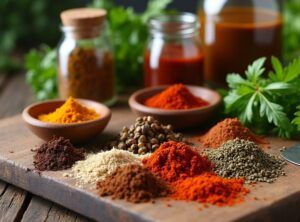
I start with a combo of salt and sugar for both seasoning and crust. Then I add spicy elements, savory herbs, or umami-rich ingredients (such as ground mushrooms or tomato powder)—taste as you go.
The goal is for no single note to drown out the others. If you prefer heat, increase cayenne or black pepper; for more warmth, consider cinnamon or nutmeg. You can blend sweet paprika with smoked paprika for a smokier note without increasing the heat.
Keep Rubs Fresh
Spices lose their punch when they sit out too long. I store homemade rubs in small jars in a cool, dry place, away from direct sunlight. Label each batch with the date. Most blends are best within six months. For extra-long storage, you can freeze rubs in airtight containers.
Experiment With Extras
Some fun ingredients to try include coffee grounds (excellent on beef), cocoa powder (adds depth), dried citrus zest for chicken or fish, or smoked sea salt. Asian staples like ground ginger or five-spice powder add a crazy-delicious twist to classic blends. Try dried herbs such as dill, basil, or lavender for a gourmet twist.
Test and Tweak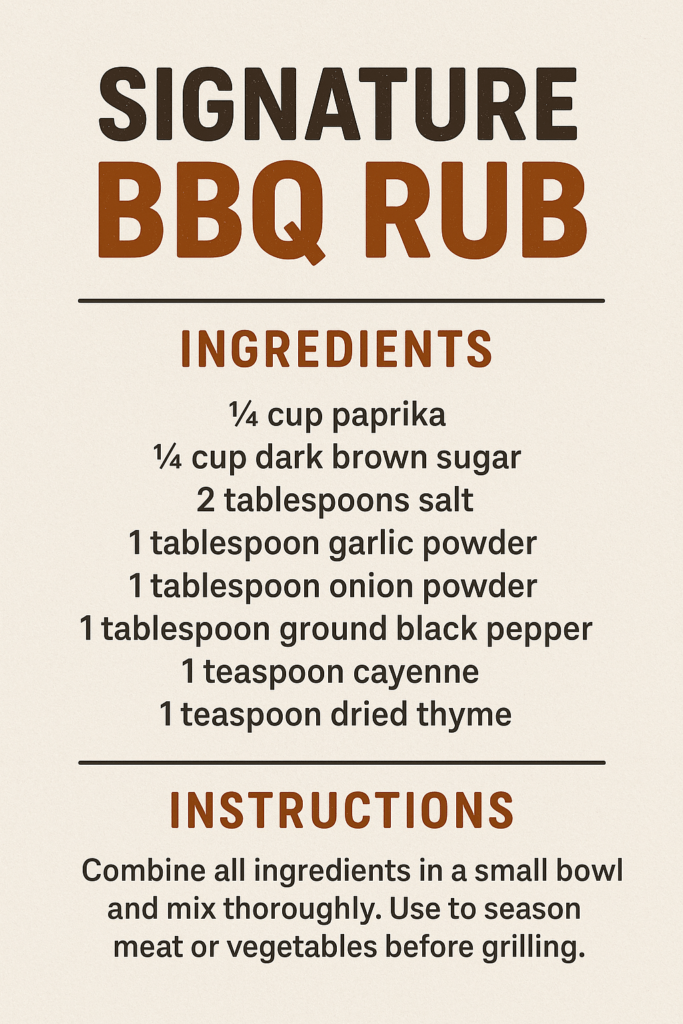
I’ll often cook just a single chicken thigh or smoke a small pork chop with a new rub to dial in adjustments before busting it out for a big cookout. Keeping notes makes it a lot easier to recreate that perfect batch. If you make a mix that’s a hit, consider sharing it with your grilling circle or saving it for family get-togethers.
You can also get creative by making regional mashups: try mixing some Memphis with Jamaican jerk for pork, or pair a Kansas City sweet rub with Mediterranean herbs on chicken. The sky’s the limit, and if you have kids or friends around, making rub together can add extra fun to the prep.
Frequently Asked Questions About BBQ Rubs
Here are some super common questions I get from friends (and a few I had myself when I was learning):
Question: Can I use a BBQ rub on vegetables or seafood?
Answer: Absolutely! Many BBQ rubs taste great on vegetables like bell peppers, corn, or portobello mushrooms. For seafood, especially shrimp, salmon, and whitefish, use a lighter hand and limit salt and sugar. You can also add lemon zest or fresh dill to tailor a seafood rub.
Question: What’s the difference between a marinade and a rub?
Answer: A rub is a dry spice blend, whereas a marinade uses liquid (oil, vinegar, or juice) and typically soaks for longer. Rubs help form a crust; marinades mainly add internal moisture and flavor. Sometimes people use both together—marinate for a few hours, then rub before grilling.
Question: Do I need to add oil when using a rub?
Answer: Not always. For most dry rubs, meat moisture and fat are enough to stick. If the meat is lean and dry, a drizzle of oil or a slather of mustard helps it cling to the grill and adds a bit more flavor as it grills.
Should I use sugar in my rub when cooking at high heat?
Answer: Sugar is excellent for forming bark, but it can burn over raging hot coals. If you’re grilling hot and fast, either use less sugar or move your meat off the direct flames after it browns. You could also swap regular sugar for turbinado or coconut sugar, which burns a little less easily.
Question: Can you use leftover rub as a seasoning for other dishes?
Answer: Definitely! Sprinkle your BBQ rub onto roasted potatoes, popcorn, or homemade fries. Toss it into soup for a smoky kick, or mix it into scrambled eggs for a unique twist. Make sure the rub hasn’t come into contact with raw meat before using it for other purposes.
Question: Is it okay to pre-rub meat and freeze it?
Answer: Yes. Rubbing meat before freezing is a classic trick for meal prepping big cookouts. Wrap tightly and freeze. The flavors will soak in even as everything freezes, so the results are still bold and delicious when you’re ready to cook.
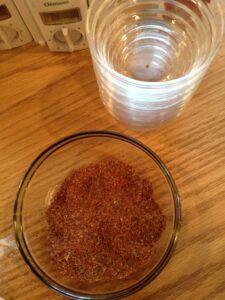
BBQ rubs really are the key to memorable outdoor cooking. Playing around with flavors, tweaking textures, and finding your favorite blends is part of the fun.
Whether you stick to the classics or mix up your own wild creations, every batch you make will reflect your BBQ style. If you come up with a combo you’re proud of, I’d love to hear about it or see your results.
Enjoy that great BBQ taste!
Happy grilling!