
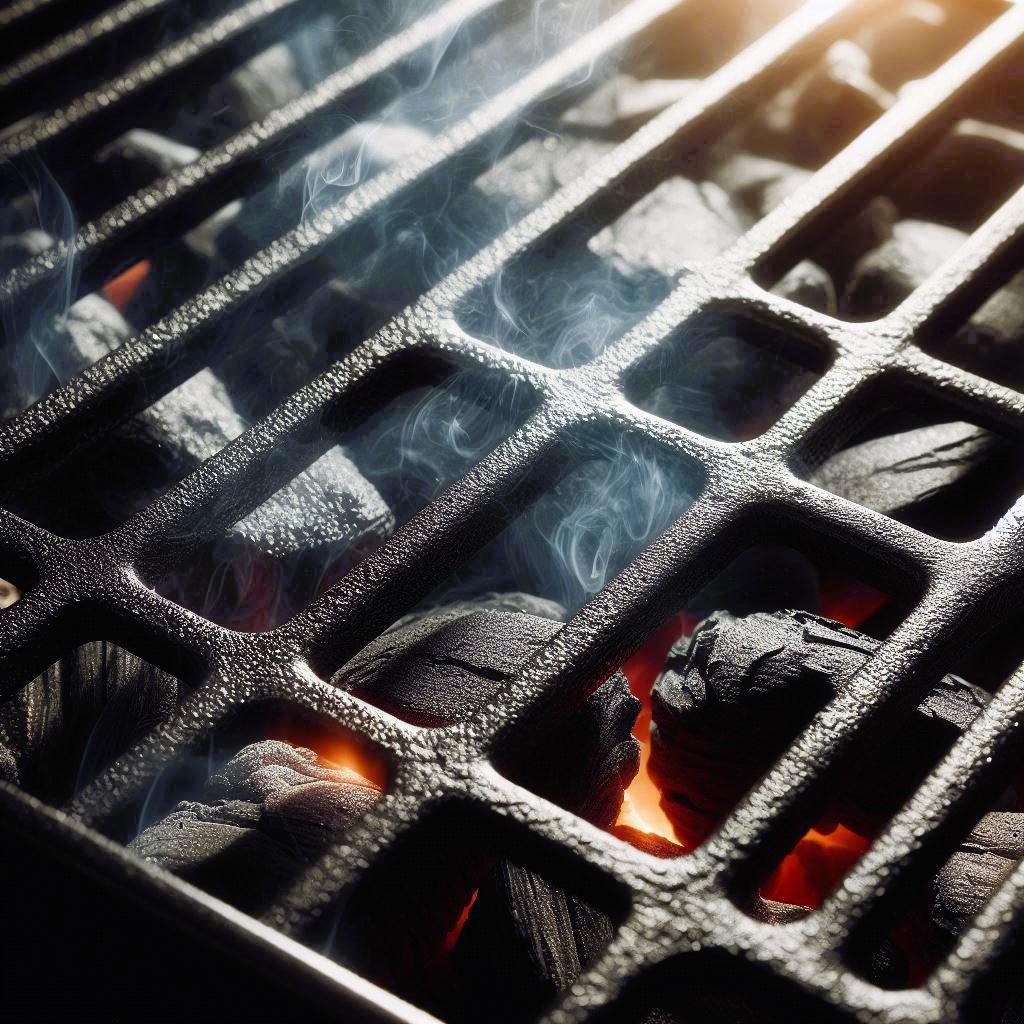
Getting your cast-iron grill grates ready after their first use may sound like a chore, but the truth is, it’s mostly about developing simple, effective habits. Clean grates make grilling smoother, help food taste better, and keep that gear in shape for the long run. If you’re dealing with fresh-out-of-the-box grates or wondering how to treat your grill after breaking it in, I’m going to walk you through the easiest ways to get the job done without fuss.

Why Cast Iron Grill Grates Need Special Attention After First Use
Cast-iron grill grates are a favorite among serious grillers for several good reasons. They deliver that classic sear, hold heat like a champ, and are basically made to last. But if you’re new to cast iron, you’ve probably already noticed they come with some upkeep. Cleaning and seasoning them after your first use sets you up for easier cooks, better flavor, and less scrubbing down the line.
When you fire up your grates for the first barbecue, oil residue from the factory, leftover packaging dust, and the first layer of food gunk can all stick around if you don’t tackle them head-on. Getting these cleaned off and laying down a solid first layer of seasoning makes a real difference. Trust me, it’s worth taking a little extra care from the start. This proactive step sets you up for easier cooks, better flavor, and less scrubbing down the line.
How Proper Cleaning Improves Your Grilling Experience
Perfect sear marks and smoky flavor come from well-maintained grates. Here’s what a good cleaning routine does for you:
- Better Heat Distribution: Clean grates help heat move evenly, so those burgers and steaks cook how you want.
- Flavor Protection: Old food bits burn and create off-flavors if left behind. Freshly cleaned grates keep every meal tasting as it should.
- Easy Release: Seasoned and cleaned cast iron builds up a nonstick finish over time. That means less sticking, flipping stress, and broken patties.
- Longer Grate Life: Regular cleaning fights off rust and corrosion, making your investment last.
Dry Cleaning vs. Wet Cleaning: What’s Best for First Use?
There are a couple of ways to tackle cleanup, and each serves a purpose right after your grill’s first run.
- Dry Cleaning (Best for Immediate Post-Cook): Scraping and brushing your grates while they’re still warm is the classic technique. A grill brush without wire bristles or a ball of crumpled foil can quickly remove the loose bits. Using a brush without wire bristles is essential for safety, as bristles can end up in your food. This method is quick and prevents the need for adding extra water, which is crucial for preventing rust.
- Wet Cleaning (When You Need a Deep Clean): If grease and gunk are hanging on after your first cook, sometimes you’ve got to break out the warm water and a mild dish soap. Just don’t soak the grates, and make sure they’re bone dry before putting them away.
Step-by-Step: Easy First Cleanup Routine for Cast Iron Grill Grates
Here’s my go-to routine that checks all the boxes for quick, effective cleanup after your first barbecue session:
- Let the Grill Cool Slightly. Wait for about 10 minutes or until the grates are still warm but safe to handle. Heat loosens food bits, making scrubbing easier.
- Scrape Off Food Residue. Use a grill brush or scraper. Steer clear of wire brushes if possible, since bristles can end up in your food. Focus on any sticky or charred parts.
- Wipe Down with a Paper Towel. Most of the leftover oil and loose bits will come off with a sturdy paper towel. A dab of vegetable oil makes sticking debris slick right off.
- Wash If Needed. Only use a small amount of mild dish soap and warm water if there’s seriously stubborn residue. Never let cast iron sit in water, and skip the dishwasher altogether. Use a soft sponge, not steel wool. Rinse quickly and dry immediately with a towel.
- Warm Again and Apply Oil. Set your dry grates back on the grill, then fire up the heat for a few minutes. Next, rub a thin layer of cooking oil (such as vegetable, canola, or flaxseed) all over the surface. Let the oil bake in for about 15 minutes.
- Let Cool and Store Dry. Let everything cool down, then store the grates in a dry spot or right on the grill with the lid closed.
Understanding Why Seasoning Is a Big Deal After First Use
Seasoning is just a thin layer of oil baked into the cast iron’s pores. It basically shields the grates from rust and helps food release more easily. Even if your grates come pre-seasoned, a little extra TLC after the first use really gets things started on the right note.
Each time you heat and oil your grates, the seasoning builds up a little stronger. After a few cooks, you’ll have a shiny layer that shrugs off stuck-on food and water. Over time, this coating becomes more resilient, so a basic habit of oiling after each use sets you up for grilling success even years down the road. If you skip this step at the start, you may encounter nagging problems, such as persistent sticking and rusty spots, much sooner. Stay committed to this process, and you’ll enjoy the long-term benefits of a well-maintained grill.
Remember that not all oils are equal when it comes to seasoning. Light, high-smoke-point oils, such as flaxseed, canola, or grapeseed, tend to polymerize more effectively, which means they bond more strongly to the grates. This provides a more rigid and longer-lasting barrier. Could you clear the lard or butter for your first few rounds, as these can become sticky at lower temperatures and attract grime? That said, as your seasoning develops, you can experiment with different oils to impart a specific taste or aroma and add a subtle signature note to your grilled dishes.
Cast Iron vs. Other Types of Grill Grates: Why Cleaning Approaches Matter
- Porcelain-Coated Cast Iron: Gentler tools are best here. Excessive scrubbing can chip the coating, and once it’s damaged, the cast iron underneath becomes vulnerable to rust. Stick to soft brushes and skip the heavy seasoning since the coating already forms a basic nonstick layer.
- Stainless Steel: Easier to scrub with harder brushes and can handle some water. Stainless doesn’t rust as quickly, but a light coat of oil still helps with sticking.
- Chrome-Plated or Porcelain-Coated Steel: Avoid harsh tools and don’t season. Clean gently and inspect for chips so you can spot rust early.
Cast iron needs a little bit more care and regular seasoning. The reward is that classic BBQ flavor and unmistakable grill marks. Many professional grillers swear by cast iron specifically because it enhances searing and maintains heat stability even when cooking thick cuts or baking dishes like pizza or vegetables. Sure, there’s an upkeep trade-off, yet a steady routine turns cast-iron cleanup into muscle memory before long.

The Easiest Tools to Use For Cast Iron Grill Grate Cleanup
- Heavy Duty Grill Scraper: Gets rid of most stuck-on bits in a hurry. Many models are designed for cast iron and are safe for regular use.
- Non-Brush Cleaning Blocks/Stones: Made from pumice or ceramic, they scrub away stubborn debris without leaving Behind bristles.
- Crumpled Aluminum Foil: Wrapped into a tight ball, it’s a handy, cheap alternative to a store-bought scraper and works exceptionally well for light messes.
- Lint-Free Cloth or Paper Towels: Help pick up oil and any lingering crumbs. You’ll want several on hand for the oiling step.
- Tongs: Using tongs, you can keep your hands out of the heat while you scrub away and wipe down. This adds an extra bit of safety, especially when cleaning hot grates.
Some grillers also swear by dedicated cast-iron brushes that avoid metal wires entirely, opting for heat-resistant nylon or even wood scrapers shaped to fit their grates. These can help if you’re aiming for maximum protection and don’t want to risk metallic scratching, especially early on when the seasoning is still new. While you don’t need every tool on the market, a good scraper, some sturdy towels, and a ball of foil are enough to keep your grates in excellent shape.
 Real-World Tips For Sticking to the Routine
- Don’t Wait Too Long. Cleanup is ten times easier if you handle it as soon as your grill cools. Letting things burn or harden only makes the next barbecue less enjoyable.
- Build the Habit. Even if you only grill every few weeks, keeping to a quick clean/season habit right away makes each session easier. Eventually, you’ll do this step automatically.
- Oil, But Don’t Overdo It. A thin layer is plenty. Pooled oil can go rancid and create sticky spots, which attract dust or insects if left unattended for an extended period.
If you slip up and see a little rust, don’t panic. A quick scrub and re-season can usually bring your grates back to life. Just address it as soon as you notice and get back into your routine. It’s much easier to fix issues early than after severe pitting or corrosion has set in. And if you grill often, your grates will get better with age, the longer you stick to simple, regular care.
Frequently Asked Questions About Cast Iron Grill Grate Cleanup
How do I remove rust if I miss a cleaning?
Use a small amount of kosher salt as a mild abrasive and scrub with a damp cloth. Wipe dry, then repeat the oil and bake routine. Even if there’s a bit of surface rust, you can usually restore cast iron to pretty good condition with some elbow grease and a little patience.
Can I use soap on my cast-iron grill grates?
It’s perfectly fine to use a mild dish soap occasionally, especially after the first use, to remove factory oils. As long as you don’t soak the grates or put them through the dishwasher, you’ll be alright. Dry immediately and season after cleaning.
How much oil should I use for seasoning?
You only need a thin layer, just enough to lightly coat the surface without leaving any pools. A paper towel or cloth dipped in oil works perfectly.
What’s the best oil for seasoning cast-iron grates?
Vegetable, canola, peanut, and flaxseed oils are all suitable options. The main thing is using an oil with a high smoke point and applying fragile layers, building up slowly over time as your seasoning gets stronger.
How often should I clean and season my grates?
Could you give them a quick dry clean after every use, and do a deep clean with seasoning if you notice food starting to stick or any rusty spots appearing? Early on, regular oiling helps build up the protective layer faster and prevents problems down the road.
Worthwhile Habits for Long-Term Cast Iron Grate Maintenance
- Store Grates Dry: Moisture is rust’s best friend. If possible, leave your grates on the grill with the lid closed or in a dry spot inside. You can even add a moisture-absorbing packet if your grill is outside and exposed to high humidity.
- Skip Marinades With Lots of Acid: Right after seasoning, super acidic marinades (like vinegar or lemon-based) can eat into new layers of seasoning. Let the seasoning get established first before introducing these flavors.
- Keep a Spare Rag Handy: Works wonders after a quick brush. Just rub a little oil across the surface before covering the grill to keep things in top shape.
- Double-Check Burner Covers: If you’re using a gas grill, make sure your burner covers are clean, too. Gunk under the grates can foul airflow and lead to uneven cooking, even if your grates are spotless.
Another little-known tip is to avoid putting hot grates onto cold surfaces or in water. Sudden temperature shifts can sometimes cause warping or faint cracks, especially in thinner cast iron. Whenever you wash or oil the grates, let them come back to room temperature gradually. This small step can add years to their usable lifespan.
Cast Iron Grill Grate Cleanup Mistakes to Avoid
- Putting Grates in the Dishwasher: This strips seasoning and invites rust fast if you’re not careful.
- Leaving Grates Wet: Even slightly damp grates will start to rust if left alone. Always dry completely and never pack away until the item is dehydrated.
- Over-Scrubbing With Metal Tools: Too much scraping with complex metal tools can scrape off that valuable seasoning and wear down the grates. Stick to gentle cleaning and only escalate when you see real buildup.
- Using Cooking Sprays With Added Ingredients: Some sprays have propellants or additives that leave sticky residues behind. Use plain oil with no additives for optimal results.
Final Thoughts: Simple Habits Make a Big Difference
Cast iron grill grates pay you back with great grilling, but only if you treat them right. After the first use, a good cleaning and a solid round of seasoning lay the groundwork for easy maintenance. Each cook improves as the nonstick layer builds up, making grilling smoother and more efficient.
Please stick to quick dry cleaning after every barbecue. Lightly oil the grates and avoid letting any water sit on them. With these simple habits, you’ll spend less time scrubbing and more time grilling what you love. Before long, you’ll enjoy that eye-catching sear and next-level superb grill flavor every time, all thanks to a smart, no-fuss cast iron care routine.