Getting into smoking food at home opens up some fantastic flavors, and wood chips are right at the heart of it. If you’ve ever wondered how restaurants get that legit smoky taste in ribs or brisket, wood chips are usually their secret weapon. Here’s a straightforward guide to how wood chips work, the different types out there, how to use them, and a bunch of tips that’ll help anyone new to smoking get started without feeling lost.
What Are Wood Chips? Basic Overview
Wood chips are small pieces of hardwood, cut or chipped down to size, used during grilling or smoking to give food a nice smoky flavor. They aren’t burned for heat; charcoal or gas takes care of that. Instead, these chips sit close to the heat source and create aromatic smoke that gets absorbed into whatever you’re cooking. Using different wood chips can change the vibe of a dish. It’s kind of like picking the right spice for your recipe.
These little pieces work in grills, smokers, and even some stovetop gadgets. You can choose from a range of woods depending on your meal. Whether you want mild, sweet, strong, or even nutty vibes, there’s a chip for you. The fun part is experimenting until you track down the right match for pork, beef, chicken, or fish.
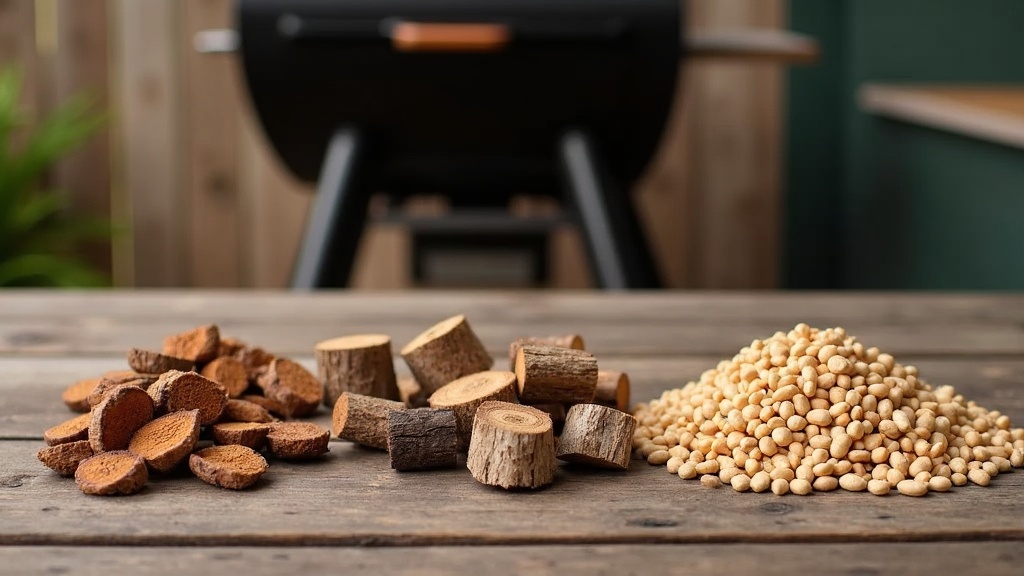
Wood Chips, Chunks, and Pellets: What’s the Difference?
It’s easy to get mixed up about whether to grab chips, chunks, or those little pellet things at the store. Here’s the quick breakdown:
- Wood Chips: These are small, thin pieces that burn fast. They’re great when you want to add a burst of smoke flavor to quick-cooking foods or when using a gas grill. They can also be handy to give a last-minute boost of flavor near the end of a cook.
- Wood Chunks: Chunks come in much larger pieces, about the size of a golf ball or bigger. They burn slower and work best in charcoal smokers or grills for long, slow cooks, like pork shoulder or brisket. Chunks hold up over time, creating a steady smoke bath for low-and-slow barbecue.
- Wood Pellets: These look like little cylindrical bits. They’re compressed sawdust and are made for pellet grills or smokers, which feed them automatically. Pellets keep things steady and consistent, especially if you have a modern vertical pellet smoker at home.
Each type brings something valuable to the table. Chips add quick smoke, chunks are suitable for longer sessions, and pellets keep things steady in a pellet grill. If you only have one type of wood but want more smoke or control, you can also mix them in creative ways—it’s common to see pitmasters switching up chips with chunks to fine-tune their process.
Different Types of Wood Chips and Their Flavors
Woods aren’t all the same. The tree the chips come from totally changes the taste you get. Some woods are mild and sweet, while others are bold or even spicy. Here are some common picks:
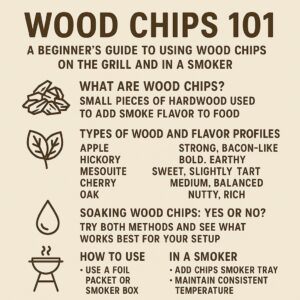
- Apple: Slightly fruity and sweet; nice with pork or chicken. Apple is a crowd-favorite and often used for everything from ribs to turkey. Chicken wings and fish fillets also love a touch of apple wood.
- Hickory: Strong and smoky. Adds classic barbecue vibes, but it can get overpowering if you use too much. Works well with beef and pork, being a staple across many Southern barbecue joints.
- Mesquite: Super bold and earthy. Mesquite packs a punch. Great for brisket and significant beef cuts, but use it lightly to avoid bitterness. In Texas-style barbecue, mesquite is the go-to.
- Cherry: Sweet and a little tart, plus it gives food a cool reddish color. Works with pretty much anything, including chicken and fish. People like cherry for adding color and flavor to their cooking.
- Pecan: Similar to hickory, just milder with a nutty edge. Nice for poultry and pork, or mixing in with stronger woods to balance out the boldness. It’s popular for holiday hams and turkeys.
- Oak: Balanced flavor, not too harsh or too mild. Solid for almost any barbecue—pork, beef, lamb, or veggies. Oak wood is often used for classic Texas barbecue brisket thanks to its even, pleasant flavor.
It’s fun to try out different woods or even mix them to see what hits the right spot for your taste buds. Mixing something strong like hickory with a sweet wood like apple is a combo many home cooks return to often. Don’t be afraid to blend woods and invent your signature flavor.
Should You Soak Wood Chips Before Smoking?
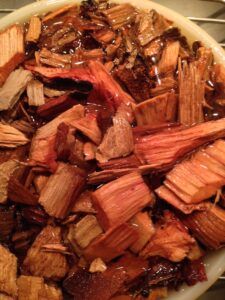 The tradition of soaking wood chips comes up in just about every barbecue book. The idea is that if you wash the chips in water (usually for 30 minutes to an hour), they’ll burn more slowly and create more smoke. When I first got started, I always soaked mine because pretty much every recipe told me to.
Here’s the scoop: while soaking might seem like a game-changer, it’s not that big a deal. Most of what you get at first is steam, not smoke, since the water needs to evaporate before the chips smoke. Dry chips catch faster and start giving off smoke right away. I’ve tried both ways, and the difference is pretty slight. If you’re using a gas grill and want to stretch out your smoke session, some people find it helps. But, overall, I say experiment once or twice and see what works best for your grill or smoker. The benefit is minimal, so you’re safe skipping it if you’d rather keep things simple.
How to Use Wood Chips on Different Grills
The real trick to wood chips is knowing how to use them with your equipment. Gas grills and charcoal grills both handle chips differently.
Using Wood Chips on a Gas Grill
- Preheat your grill with all burners on high for about 10 minutes, so you have a hot environment to start with.
- Make a smoker pouch by wrapping a handful of wood chips in aluminum foil, then poke holes in the top with a fork so smoke can escape easily.
- Turn off one burner to create an indirect cooking zone. That way, your food cooks gently rather than burning over direct heat.
- Place the smoker pouch (or a metal smoker box, if you have one) over the lit burner. Could you close the lid and wait until you see smoke escaping from the holes you made?
- Add your food to the cooler side of the grill, away from the heat, so it can cook evenly and pick up smoke. Keep the lid down as much as possible while cooking.
- If you want more smoke, you can prep a second pouch to swap in when the first one burns through. Don’t be tempted to overload; a subtle smoke flavor goes a long way.
This method is handy when you want to smoke without any special equipment. For extra-large cuts or longer cooks, have multiple foil pouches ready to go.
Using Wood Chips on a Charcoal Grill
- Light your charcoal and let it ash over. Once it’s hot, you have a couple of choices:
- For short cooks, scatter dry wood chips right onto the hot coals. They’ll smoke right away, making them perfect for steak, burgers, or seafood.
- If you want the smoke to last longer, use a foil pouch (just like with gas grills), or add fresh chips every 30 minutes or so.
Some folks like to toss in a handful of soaked chips to “extend” the smoke, but as mentioned earlier, it’s not a big game changer in practice. Control your smoke by adding small amounts of wood periodically instead of dumping in too much at once.
Tips for Getting the Best Smoke Flavor
- Don’t Overdo It: Too much smoke can make your food taste bitter. Start small—a handful of chips for a gas grill, or a couple handfuls if you’re using a charcoal setup. Build up as you get more comfortable.
- Use the Lid: Smoke escapes fast if you keep popping the lid. Leave it closed as much as you can so the smoke works its magic.
- Placement Matters: Always put food over indirect heat if you want it to cook slowly and soak up more smoke. This helps it cook evenly while still absorbing flavor.
- Try Different Combos: Mixing two types of wood chips (like apple and hickory) gives you a more complex, interesting result. It’s a great way to put your twist on barbecue classics.
Patience pays off here. Gentle, slow cooking makes smoky food taste eye-catching, not harsh. Also, remember that lighter woods suit fish, veggies, and chicken, while heavier woods shine with red meat or tougher cuts.
Wood Chip Safety and Storage
Keeping wood chips dry and free of mold is super important. Store them in a sealed bag or bin in a cool, dry spot in the garage or pantry. If the chips get musty or you spot mold, toss them right away. You don’t want funky smoke ruining a batch of ribs or chicken. Also, make sure the wood you’re using is meant for cooking. Never use treated lumber, painted scraps, or mystery wood from the backyard since those could contain chemicals you don’t want in your food.
Check out labels at your store and go for food-safe woods. If you want to try foraged pieces, be 100% sure you know the tree species and that it hasn’t been sprayed with pesticides or other treatments. Safety first!
Beginner Smoking Mistakes (And How to Avoid Them)
- Using Too Many Chips: Starting small helps avoid thick, harsh smoke that can overpower your food and leave a bitter taste.
- Checking Too Often: Each time you open the lid, heat and smoke escape, slowing cooking and disrupting the smoke. Use a meat thermometer so you can trust the process and peek less.
- Using the Wrong Wood: Not all woods are suitable for every meat. For example, mesquite might be too strong for fish, while fruit woods are too mild for brisket. Do a bit of research or ask at your local shop to match woods and meats.
- Forgetting About Ventilation: Keep your grill’s top and bottom vents partially open to let the smoke flow freely. Completely closed vents can stifle the fire and lead to disappointing results or even snuff the fire out.
Getting the hang of these basics saves time, improves results, and keeps you motivated to try new dishes. Beginners who jump in with the right tips tend to stick with it and end up grilling all year.
Cool Wood Chip Tricks and Advanced Tips
- Layering Woods: Place a few chunks of a mild wood like apple under the coals and chips of hickory on top for a multilayered smoke effect. This technique adds depth and keeps the smoke coming throughout a long cook.
- Try Wine Soaked Chips: Some people drizzle a little red wine or whiskey instead of water when soaking chips for a unique twist. While it’s mostly for aroma—the flavor in the food is subtle—it’s fun to experiment for special meals.
- Homemade Chip Blends: Blend different fruit woods for chicken dishes, then toss in a bit of pecan for a nutty backbone. Mixing up woods leads to some tasty discoveries, and you can keep a notebook of your favorites for next time.
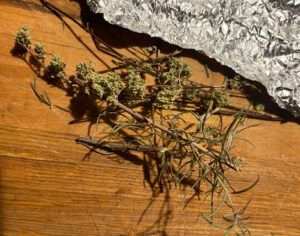
- Use Fresh or Dry Herbs: Here, using a foil smoker pouch or a smoker box, with your choice of herbs, can elevate the taste of foods. For the charcoal grillers, tossing a handful of rosemary, thyme, or bay leaves (which is perfect for lamb, vegetables, or fish) onto the coals with your chips can add a whole new layer of scent and flavor.
Once you’re comfortable, these tricks help you dial in a flavor profile that’s all your own. Keep testing and writing down what you notice. You’ll be surprised how your signature barbecue style comes together.
What Equipment Helps Most for Smoking with Wood Chips?
- Smoker Box: A metal box that sits on your grill and holds the chips. Worth picking up for consistent results on gas grills since it keeps chips from catching fire.
- Foil Pouch: Cheap, easy DIY method to control wood chip burn rate and direct smoke where you want it. You can make these in seconds and toss them away when done.
- Charcoal Chimney: Super helpful in getting your coals hot and ready before adding chips. No lighter fluid flavor gets in the way.
- Good Tongs: Make it safe and easy to toss chips onto coals or handle hot pouches without burning yourself.
- Food Thermometer: Don’t forget—you want to cook to a safe temperature, not just for hours because a recipe says so! An instant-read thermometer keeps you safe and stress-free.
Each of these tools can make your smoking adventure smoother and more rewarding. Start simple, add tools as your skills grow, and you’ll keep upgrading your process.
Real-World Examples: Wood Chips in Action
- Spatchcock Chicken on a Gas Grill: Toss a handful of cherry wood chips in a smoker box. Cook the bird over indirect heat, and you’ll enjoy a subtle, sweet-smoked chicken that’s juicy and tender.
- Brisket in a Charcoal Smoker: Use a couple of big chunks of oak for heat. Add in some hickory chips every hour or so, and the brisket will come out with an authentic smokehouse flavor and fantastic bark on the outside.
- Fish Fillets: Apple or alder chips work nicely. Use only a small amount and keep your cooking quick so you don’t overpower the delicate flavor of the fish. The right wood preserves the fish’s natural sweetness while adding a little complexity.
- Pulled Pork for Sandwiches: Try layering pecan and hickory chips in a foil pouch on a gas grill. Slow-cook the pork shoulder over indirect heat, basting occasionally, and you’ll get tender meat loaded with smoky goodness.
- Vegetarian Treats: Smoked portobello mushrooms or thick slices of eggplant absorb smoke flavor exceptionally well. Fruit woods like apple keep things balanced and subtle—great for impressing guests who don’t eat meat.
Whether you’re working with ribs, fish, veggies, or even pizza, there’s a wood chip combo and method that’ll suit your recipe. The more you experiment, the more you’ll understand what flavors work for your family and friends.
FAQs About Wood Chips and Smoking
How often should I add more wood chips?
It depends on your grill and how much smoke you want. For short cooks like fish or chicken, add one or two handfuls at the start. For long cooks like ribs or brisket, add more every 30 to 45 minutes, or use larger wood chunks for steady smoke. Watch the smoke’s color; thin, blue smoke is best, while thick, white smoke means you may have too many chips.
Can I use wood from trees in my yard?
Please be sure to stick to food-safe, store-bought wood chips. Some trees produce toxic smoke, and yard wood might be treated or contaminated by bugs, mold, or chemicals. Stay safe and stick with sources intended for barbecue.
Do I need special equipment to smoke with wood chips?
Nope! A basic gas or charcoal grill is plenty. Simple foil pouches, a smoker box, or even just tossing chips on the coals will work. As you go, you can pick up more gear, but it’s not required to enjoy smoked food.
Is there a difference between smoking chips from different brands?
Some brands might offer cleaner or more uniform chips, but as long as the wood is kiln-dried, food-safe, and free of additives, any trusted brand works fine. Some people claim premium chips produce a more subtle flavor, but for most cooks, consistency matters more than the brand name.
Can I combine different woods in one cook?
Combining sweet, mild woods with stronger options like hickory or mesquite lets you craft unique flavors for any dish. Please just keep notes on what works best and play around until you find the magic combo that wins rave reviews.
Final Thoughts
Getting started with smoking food and wood chips isn’t hard once you know the basics. With the right wood, equipment, and minor tweaks, you can turn out meals with that kind of smokehouse flavor everyone loves. It’s all about trying things out, stumbling upon your favorites, and having fun experimenting along the way.
Try new wood varieties, swap stories with friends, and get ready for some tasty weekends around the grill or smoker. Whether you stick to the classics or make up new blends, the world of smoky barbecue flavor is right at your fingertips.