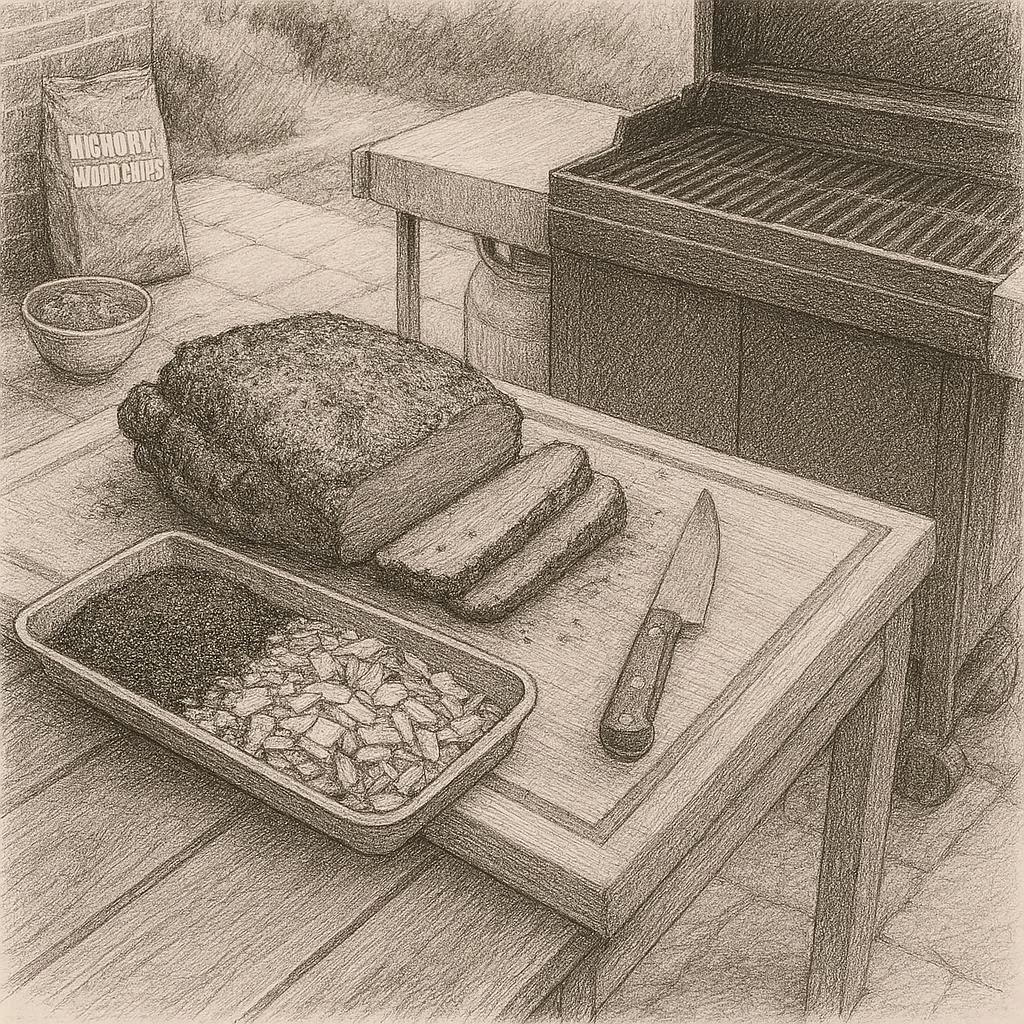
If you’re always on the lookout for new BBQ tricks, tackling a Brisket smoked with coffee grounds and wood chips on a gas grill is worth checking out. I love how this combo takes classic smoky Brisket and cranks it up with earthy, bold notes from the coffee.
Here, even if you’re not a coffee drinker, what’s cool is that the coffee doesn’t overpower—it adds another layer of flavor that plays perfectly with smoke.
And, here’s how this works and what to expect, with details on everything from the science of flavor to real-life grilling techniques for your backyard setup.
The Flavors Behind Coffee Grounds & Wood Chip Smoked Brisket
Smoking Brisket isn’t just about picking a wood and leaving it at that. When you throw in coffee grounds, things get interesting. Coffee adds a deep, roasted bitterness, kind of like dark chocolate or toasted nuts; an edge that goes great with hearty beef. Wood chips, on the other hand, bring those familiar BBQ flavors: rich, sweet, sometimes fruity or spicy depending on the type.
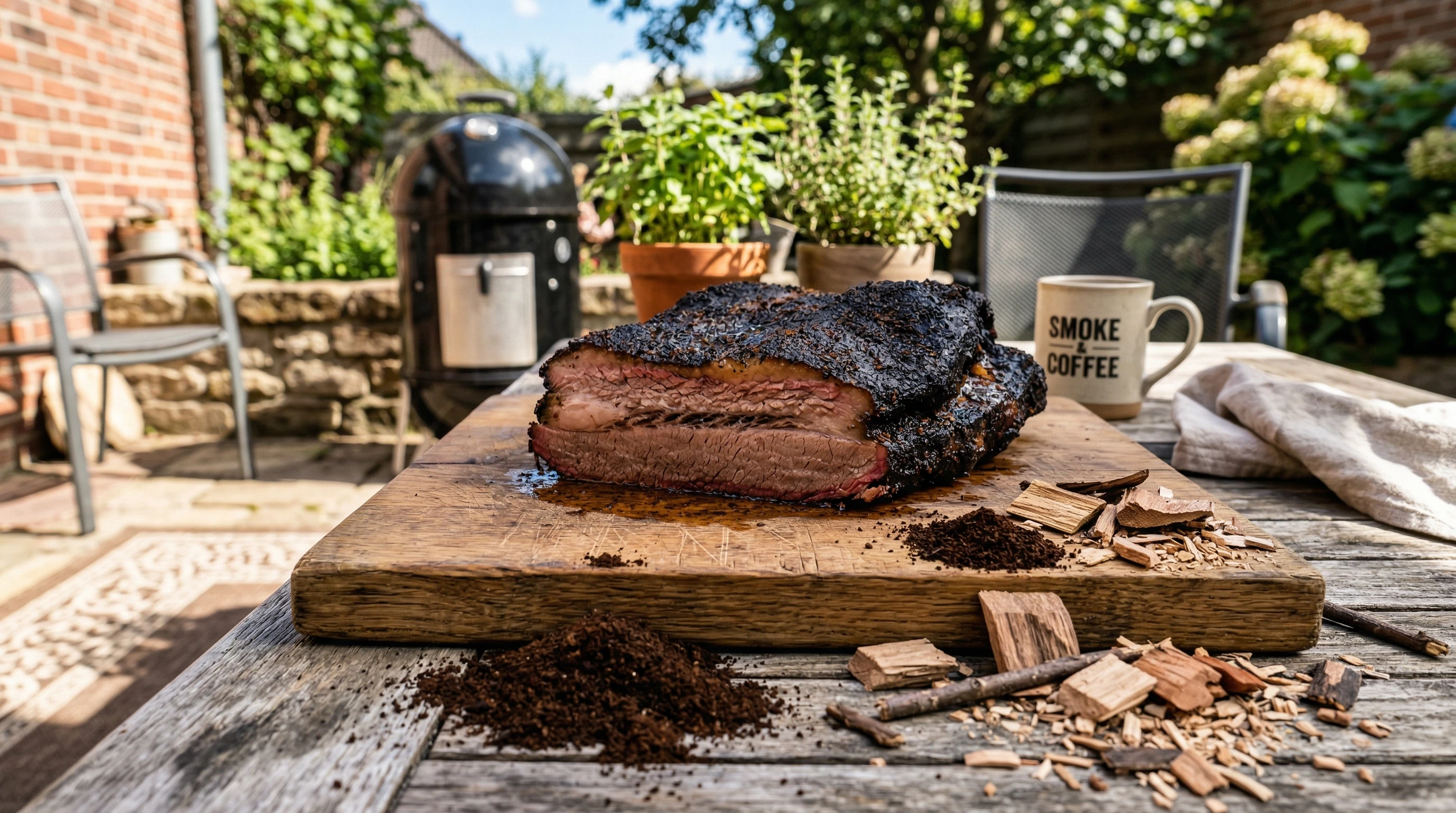
What I’ve noticed is that this combo gives Brisket an extra punch. The coffee flavor mostly stays in the outer bark, creating a flavorful crust with pepper and sweetness, while the meat absorbs that classic smoky aroma. Done right, it’s a balance—nothing weird, just an extra pop of complexity that’s seriously satisfying. Coffee’s bold profile also helps intensify the crust’s color, giving your Brisket a next-level cool look that stands out at any cookout.
Coffee Grounds & Wood Chip Combo Smoke for Brisket (Gas Grill) – 14-Step Outline
1. Understand the Flavor Profile
Coffee grounds work a little differently than traditional wood chips. They bring a robust, earthy bitterness and a subtle roasted aroma that can really boost the bark on Brisket. When you blend that with wood chips, which tend to be sweeter and richer (think hickory or applewood), you get a smoky, sweet crust with a hint of coffee’s deep, dark character. This combo works best on beef because Brisket’s natural fattiness stands up to these flavors without getting lost. The flavor stands out without drowning out the beef; it’s a fresh take on a familiar dish.
2. Choose the Right Coffee Grounds
Used coffee grounds are your best bet. They’re less acidic, and the bitter flavors mellow out a bit. Always dry them fully; if you toss wet grounds on the grill, they’ll steam instead of smoke, leaving you with a weird sour taste. Medium or dark roasts are the way to go for smoking Brisket. Light roasts won’t cut through the beef, and dark roasts have a more pronounced effect, with notes of cocoa and toast. Fresh grounds are too sharp for most, so stick to what you’ve already brewed for the right balance and a more savory bark.
3. Select Complementary Wood Chips
Choosing the right wood chip depends on the taste you’re chasing. Hickory gives off a bold, almost bacon-like smoke that beef loves. Oak is solid, smooth, and classic; it never overpowers. If you like a slightly sweeter touch, reach for apple or cherry chips. Mixing one of these with coffee keeps the smoke interesting but not overwhelming. Try out pecan or maple if you’re game for something even more unique—with coffee grounds, these options keep your Brisket tasting one-of-a-kind.
4. Determine the Coffee to Wood Ratio
Balance is really important here. A good starting point is 70% wood chips to 30% coffee grounds by volume. This keeps the bitterness in check so you don’t get a burnt or overly sharp edge. Once you’ve tried this ratio, you can always tweak the balance based on your taste preferences. Going over 40% coffee might result in a finish that’s too gritty or bitter, so it’s smart to play it safe on your first try.
5. Dry the Coffee Grounds Properly
Drying the grounds is a step you don’t want to skip. Spread your used coffee grounds out on a sheet pan and leave them to air dry for at least a day, or pop them in a low oven (around 200°F) for an hour. If the grounds are clumpy or damp, the smoke won’t come through cleanly; it’ll be more like steaming vegetables, which tastes weird on Brisket. Properly dried grounds will also burn more evenly and give you a cleaner infusion of flavor.
6. Soak (or Don’t Soak) the Wood Chips
This is a simple debate in the BBQ world. Soaking chips makes the smoke last longer, resulting in a slow burn, but it can also lead to incomplete combustion and more “dirty” smoke. Dry chips catch quickly and give you bursts of intense smoke. If you’re new to this, try half-soaked and half-dry chips to get a feel for both effects. I usually use dry chips for the best smoke flavor and refresh more often. Some folks soak in coffee or beer instead of water for an added layer of aroma, so feel free to experiment if you’re feeling bold.
7. Create a Smoke Packet or Use a Smoker Box
Gas grills need a bit of a hack for smoking. Mix your coffee grounds and wood chips, then wrap them in heavy-duty foil and fold them into a packet (a smoker pouch). Here, poke a bunch of holes on top; enough to let the smoke escape but not so many that the grounds fall out. You can also use a smoker box, which gives a bit more control and is reusable. Throw the packet or box right over the active burner. This method works for adding coffee flavor to other cuts, so it’s handy to remember for future grilling projects.
8. Set Up Your Gas Grill for Indirect Heat
You want to avoid putting the Brisket right over the flames. Turn on just one burner on the side of your grill and place the Brisket on the opposite side, away from direct heat. This setup lets the meat cook slowly and get hit with plenty of smoke, while keeping it juicy and tender. Placing a drip pan under the meat helps with cleanup and can add moisture to the cooking environment, keeping your Brisket from drying out.
9. Preheat and Stabilize Temperature
Steady temps make all the difference in BBQ. Aim for 225°F–250°F inside your grill before adding the Brisket. If your grill is finicky, use a good-quality grill thermometer to keep an eye on things. Don’t rush this step; fluctuating temps can dry out the meat and mess with the smoke absorption. Take your time and double-check the temp on both ends of the grill for the most even results.
10. Add the Coffee Wood Mixture to the Heat Source
Once your grill is at temp, drop the smoke packet or smoker box onto the active burner. Wait until you see steady, thin smoke before putting the Brisket on. A pro tip: don’t add the meat until you’re getting that light blue smoke—not white billowing clouds. That kind of smoke brings bitterness, especially with coffee in the mix. Some pitmasters hold off on adding the meat until the smoke smells slightly sweet and nutty, not acrid; trust your nose as part of your BBQ toolkit.
11. Position the Brisket for Optimal Smoke Exposure
Fundamentally, set the Brisket with the fat cap up if the heat is coming from below, or with the fat cap down if the heat is reflecting from above (like with some gas grill setups). The idea is to keep the Brisket out of direct line with the burner but right in the airflow, where all that aromatic smoke is moving. You’ll get the deepest smoke ring and a nice, dark bark this way. For even better results, rotate the Brisket every couple of hours to ensure all sides develop the unique smoke profile.
12. Monitor Smoke Quality (Thin Blue Smoke)
Thick, white smoke is a no-go for this method, as it can ruin the taste with harsh, acrid notes. Keep the smoke thin and almost transparent (a lot of BBQ folks call this “blue smoke”). That’s when you know your coffee and wood are burning cleanly and adding the right flavors. If you spot any yellow or greenish tinges in the smoke, it’s time to lift the lid and let fresh air in; that’s your signal to tweak your heat or airflow.
13. Maintain and Refresh the Smoke Mix
The coffee grounds will burn off a bit faster than your wood chips, so keep an eye on the smoke flow. Plan to swap out your smoker pouches or packets, or refill the smoker box, about every 45 to 60 minutes. Consistency is key if you want a steady smoke flavor throughout your Brisket’s cook time. If you notice the bark color fading or the smoke smell getting faint, those are signs to refresh the packet even earlier. Keeping a few packets prepped in advance is a great way to smooth out long cooks.
14. Rest and Evaluate the Flavor Finish
Once the Brisket is done (you’re going for an internal temp around 203°F, by the way), let it rest for at least an hour, wrapped in butcher paper or foil. This helps the juices redistribute. Slice it up and pay attention: the bark has that coffee-tinged bitterness balanced with smoky, caramelized edges, giving you a taste that’s deep, rich, and unique. Don’t skip this rest time, as it really lets all those layers of flavor settle into the meat, making every bite worth all the effort.
Okay – Common Mistakes to Avoid (Coffee + Wood Smoking) – Tips
Even the best BBQ ideas have a learning curve. Here are some common mistakes I’ve seen (and sometimes made myself), so you don’t have to repeat them:
- Using Wet Coffee Grounds: Throwing fresh, wet grounds on the grill? You’ll get lots of steam, weird sourness, and almost no smoke flavor. Always dry the grounds before using them.
- Overloading Coffee Grounds in the Mix: Loading up your smoke packet with too much coffee will make your bark harsh and bitter. Stick with the 30% mark until you’re ready to experiment.
- Ignoring Smoke Quality: If you see thick clouds of white smoke, you’re getting dirty smoke. This happens if the mix isn’t burning cleanly or the heat is too low. Adjust the burner or increase airflow until the smoke thins out.
- Placing the Smoke Packet Too Far from Heat: If your smoke mix isn’t directly over the flame, it won’t get hot enough to smolder, resulting in a weak or inconsistent flavor.
- Not Refreshing the Smoke Source: Coffee grounds burn pretty fast, and if you don’t swap or refill your smoke packet now and then, you’ll lose the coffee boost midcook.
- Cooking at Too High a Temperature: Cranking up past 275°F can scorch both the bar and the coffee compounds, leaving you with a burnt or acidic flavor that even sauce cannot save.
- Skipping a Binder or Rub Balance: Coffee smoke is bold, so pair it with a rub that’s a little sweeter or savory; think brown sugar, cracked pepper, or paprika. This takes the edge off and gives you a more rounded flavor profile.
Extra Added Pointers: Frequently Asked Questions
Does coffee-smoked Brisket taste like coffee?
Not in the way your morning cup does. The coffee brings out a toasted bitterness and depth, but it’s not like eating a brisket-flavored latte. Most of the coffee flavor stays in the crust, mingling with spices and smoke for a complex finish.
What’s the best wood chip to pair with coffee?
Oak and hickory are solid picks for a stronger BBQ profile, while apple or cherry will sweeten things up. Mixing two types (like hickory and cherry) with coffee gives you a rounded, smoky edge with a touch of fruitiness.
How do you clean your grill after using coffee grounds?
Coffee grounds are pretty easy to clean up; dump what’s left in your packet or box after it cools. If any stray grounds fall onto your grill grates, brush them off once the grill is cold. For stubborn crumbs, a damp paper towel wiped over cool grates does the trick—no need for special cleaners.
Can I use this method for other meats?
Absolutely! Coffee and smoke work great on beef ribs, pork shoulder, or even turkey. Just make sure you tweak the rub and keep the ratios in check so you don’t overpower more delicate meats. Try a coffee-and-wood-chip mix with pork tenderloin or chicken, but dial back the coffee percentage to avoid masking the milder flavors.
Putting It All Together
Smoking a Brisket with coffee grounds and wood chips on a gas grill really changes up what you expect from classic BBQ. You get that rich, dark bark that looks as good as it tastes, along with flavors you can’t get with wood alone.
What I enjoy most is the steady hit of aroma when you crack open the grill midsmoke; it’s beefy, roasted, slightly nutty, and absolutely mouthwatering. Even if you’re new to coffee as a BBQ ingredient, starting with these tips leads to a Brisket that’s complex, memorable, and proof that great BBQ is always about trying something a little different.
The next time you fire up the grill, give this combo a shot—you might stumble upon your new signature style.
Enjoy that BBQ taste! Happy grilling!