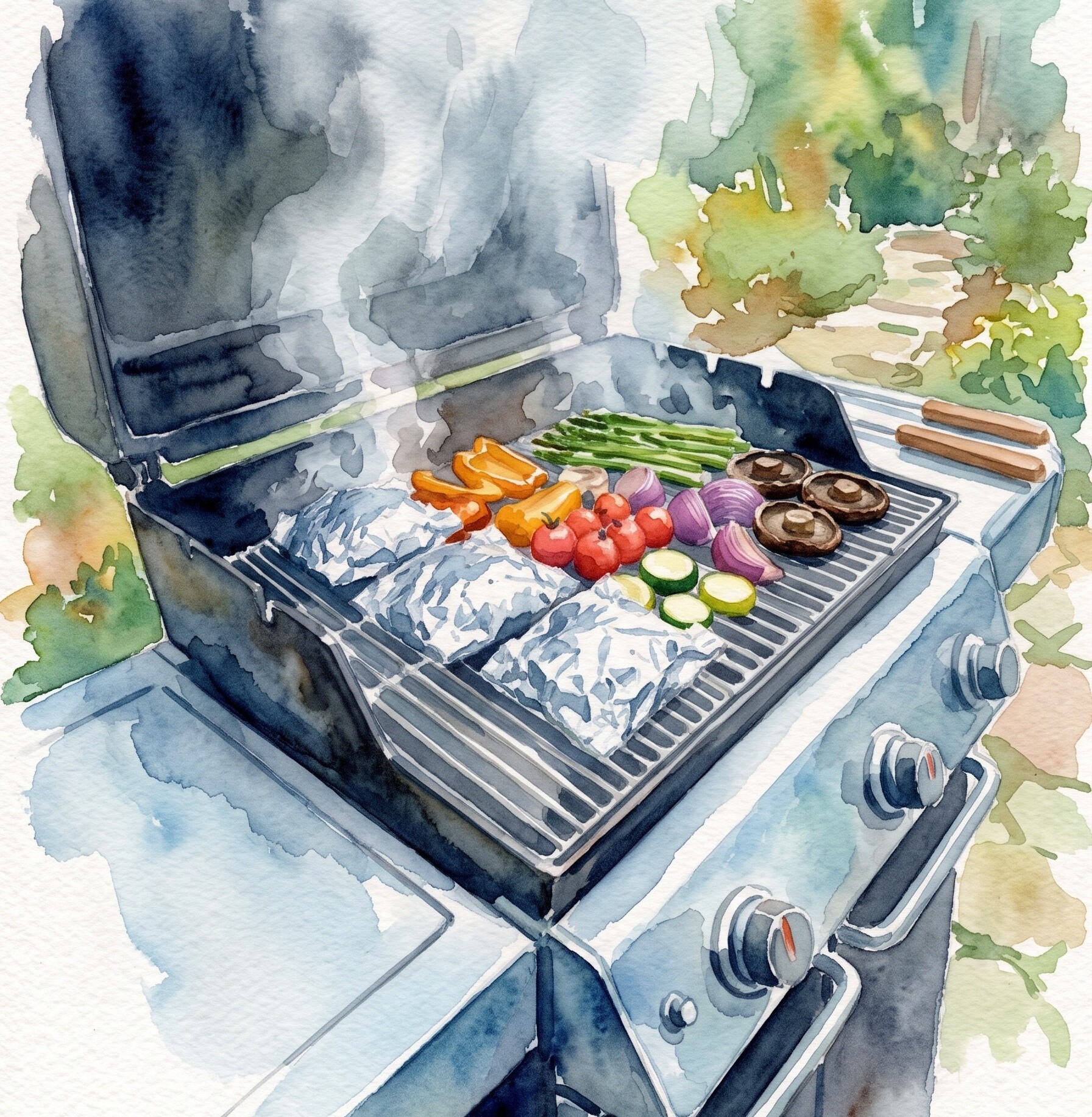
Here, if you’ve ever tasted grilled smoked veggies, you probably already know it’s an awesome flavor, a game-changer.
A gas grill might not be the first thing that comes to mind for smoky flavor, but with a couple of simple tricks, even newbies can add tasty smoke to their favorite vegetables. I’m breaking down everything I’ve learned about getting flavorful, smoky vegetables right on a basic gas grill—no fancy smoker required.
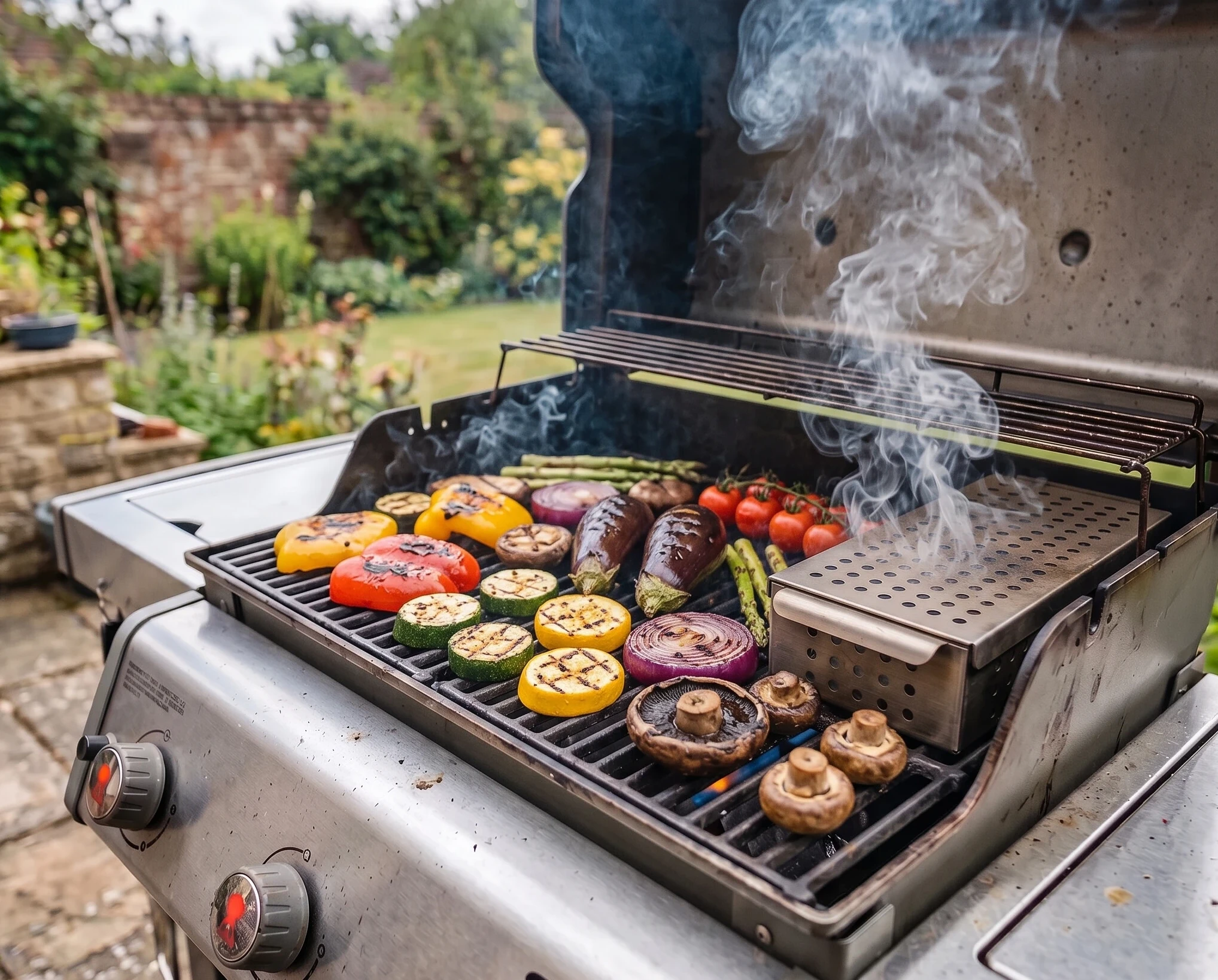
Why Smoke Vegetables on a Gas Grill?
Here, I find vegetables really shine when they have a bit of smoke flavor. Unlike meats, which soak up smoke pretty easily, vegetables need a little help to grab that extra layer of flavor.
Using a gas grill to smoke veggies is super convenient; you don’t need a separate smoker, and most folks already have one at home. Plus, it lets you experiment and keep things simple. The result turns everyday produce into something a bit more memorable. Here, with a gas grill, you can add a smoked flavor to any fresh-cut vegetable every time.
This type of smoked technique is especially handy for folks in apartments or with limited outdoor space, where a traditional smoker setup isn’t practical. And the best part? You’re in full control of temperature and smoke exposure, which means fewer burnt veggies and more consistent, balanced flavor. Over time, you’ll be able to gauge exactly how much smoke your veggies like best.
What You Need to Begin
To get those smoky veggies started, you’ll only need a few basic tools and ingredients. Here’s my beginner-friendly checklist:
- Gas Grill: Any standard gas grill with a lid is fine.
- Wood Chips or Chunks: Hickory, apple, cherry, pecan, or oak all work well. Each brings a slightly different taste.
- Smoker Box or Foil Pouch: Both options are super accessible to beginners (I’ll explain more soon).
- Vegetables: Bell peppers, zucchini, eggplant, mushrooms, carrots, onions, asparagus—whatever’s in season or on hand. Try mixing a few kinds to hit a variety of textures and flavors.
- Cooking oil, salt, and your favorite seasonings: These keep veggies from sticking and boost their flavor. Olive oil, avocado oil, or a simple neutral oil works great here. Add cracked pepper or dried herbs for a bit more punch.
- Grill tongs and a heat-safe mitt: Safety first! Always handy when adding or moving the pouch or smoker box.
Getting to Know Smoke Flavors and Best Wood Pairings
Here, different kinds of wood bring different flavors. Just as with barbecue, matching the smoke to the veggie matters. Some wood types pack a stronger punch, while others are mellow and sweet. Here are some flavors that I’ve found work particularly well with different vegetables:
- Hickory: Has a bold, bacon-like smokiness. Great for mushrooms, potatoes, and heartier vegetables, but don’t go overboard; it can get a bit strong.
- Apple: Mild and slightly fruity. Apple wood works with almost any veggie, especially sweeter ones like carrots and bell peppers.
- Cherry: Adds a gentle, sweet smoke. Tasty with onions, tomatoes, and squash.
- Pecan: Somewhere between hickory and fruit woods, pecan gives a nutty, mild flavor. Nice for corn, eggplant, and root veggies.
- Oak: Offers a more neutral smoke. It’s super versatile; good for almost any mix of vegetables.
It’s easy to overcook vegetables since they’re naturally porous and don’t take as long to cook as meat. Because of this, I’ve found that sticking with milder wood chips until you find your groove is the way to go. And if you’re on the fence, mixing two wood types can give you a balanced result. Try apple with oak for something subtle and crowd-pleasing.
How to Set Up Your Gas Grill for Smoking
First, setting up your grill for smoke flavor doesn’t have to be complicated. The main trick is to create smoke that actually touches the veggies as they grill. Here’s my usual process:
- Soak Your Wood Chips (Optional): If you like a slower, gentler smoke, soak chips in water for 30 minutes. Soaked wood chips slow the burn. Dry chips work too, but they’ll burn quicker.
- Load the Chips: Place soaked or dry chips in a smoker box or a homemade foil pouch (details below). Poke a few holes in the foil so smoke can escape.
- Position Your Box or Pouch: Put it directly over one of the burners, underneath the grill grate, or right on top of the grill grates is fine too. Turn that burner on high to get smoke going.
- Wait for Smoke: Close the lid and wait a few minutes until you see impressive plumes of smoke wafting up.
- Turn Down the Burner: Once the pouch is smoking, lower the heat under the pouch to medium-low or low. Set up the grill for indirect grilling by turning the other burners to low or off.
Your grill is ready when there’s steady smoke but no flames. Add your oiled and seasoned veggies, close the lid, and let the smoky magic happen. Don’t walk too far; grilling goes quickly once your veggies are on!
Smoker Boxes vs. Foil Pouches: What to Choose
Both smoker boxes and foil pouches work well for gas grill smoking, especially if you’re just getting started.
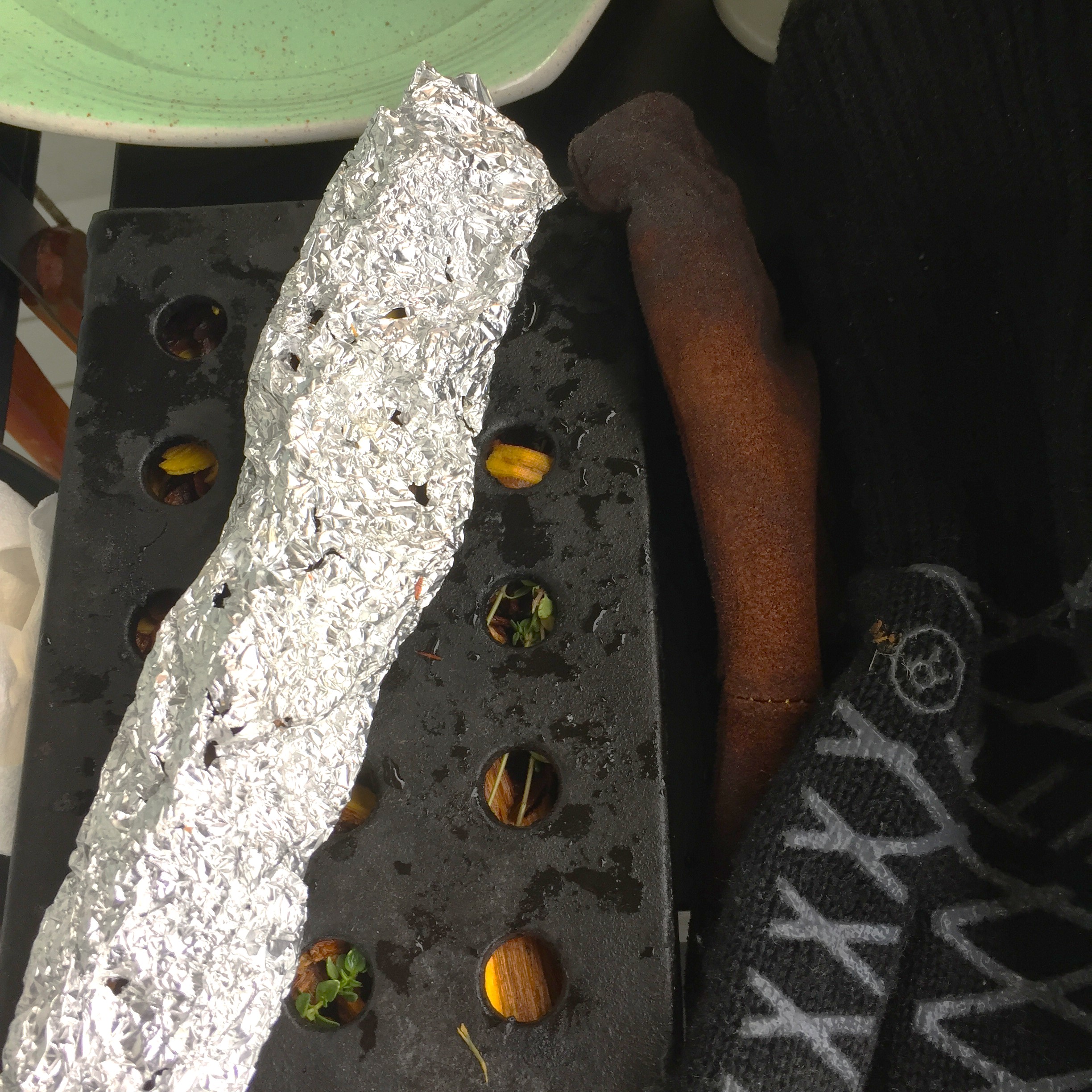
- Smoker Boxes: Usually stainless steel or cast iron, these sit over the burners and can be filled with wood chips. It’s great that these are reusable, last a long time, and they make cleanup easy. Just dump out the ash once the chips burn down. I like these for regular grillers.
- Foil Pouches: Super DIY-friendly and cost nothing. Just form a pouch from heavy-duty aluminum foil, add a handful of wood chips, and poke some holes in the top. These are great if you’re new to smoking or aren’t sure if you’ll do it often. I often create a few foil pouches and place them on the grill as needed, in ideal locations.
Again, for folks on their first grilling adventure, foil pouches are the best entry point. If grilling with smoke becomes a habit, upgrading to a sturdy smoker box pays off over time.
Choosing the Right Vegetables for Smoking
Some veggies work better for smoking. I find that firm, hearty options can withstand both heat and smoke without getting too mushy or charred.
Here’s a quick guide to some top choices, along with my easy prep tips:
- Mushrooms: Their spongy texture means they soak up flavor quickly. Portobellos and creminis work best. I like brushing with oil and a sprinkle of salt.
- Bell Peppers: Sweet and colorful, these roast up nicely and love a fruity or light smoke (try apple or cherry wood).
- Onions: Sliced thick or halved, onions get one of the tastiest transformations on the grill. They handle bold woods like hickory really well.
- Carrots: Slice lengthwise or into thick coins so they grill evenly. Apple and pecan are my picks for carrots.
- Zucchini and Squash: Sliced lengthwise, they do well with medium smoke (think oak or cherry).
- Eggplant: Cut into rounds or planks, tossed in oil, and paired with pecan wood, eggplant gets a deep, savory flavor.
- Asparagus: Thicker asparagus spears won’t overcook on the grill and can take a light touch of any wood.
- Potatoes and Sweet Potatoes: Parcooked in the microwave or boiled first, then sliced and finished on the grill. Hickory or oak gives them a satisfying smoky kick.
Here, these tips help keep veggies from sticking and burning. Always make sure to oil your grill grates or use a grill basket to save some hassle if you’re working with a mix of veggies. Group similar types together so they cook at the same rate.
Step-By-Step: Smoking Vegetables for Beginners
- Prep the Vegetables: Wash and cut veggies into similar sizes for even cooking. Toss them with oil, salt, and any other seasonings you like.
- Prepare Your Wood Chips: Soak if preferred (for milder smoke), then load into your smoker box or foil pouch.
- Set Up the Grill: Preheat the grill on high for 10-15 minutes with the box or pouch over one burner. Once smoke is visible, lower that burner’s heat.
- Grill Using Indirect Heat: Arrange veggies on the cooler side of the grill, away from the direct flame, to prevent burning and let the smoke infuse them with flavor.
- Smoke and Grill: Close the lid and let them cook. Most veggies take between 12 and 25 minutes, depending on thickness. Flip once halfway through.
- Check for Doneness: You want them tender but not soggy, with a bit of char. Taste test as you go. For thin veggies, lean toward the shorter end of the timing range.
- Serve Warm: Enjoy the grilled veggies straight off the grill, or slice them for salads, wraps, tacos, or side dishes.
Experimenting here will help you figure out your preference for smoke levels and doneness, but this is a pretty foolproof starting point for most beginners. Over time, you’ll notice your confidence grows with every batch, and soon enough, grilling smoky vegetables will feel second nature.
Extra Tips for Success on the Gas Grill
- Skip Overcrowding: Give veggies some breathing room on the grill so that the smoke can hit more spots. Better exposure means better flavor, and you’ll get more even grilling results.
- Don’t Overdo the Wood: A handful or two is often plenty. Too much smoke can overpower fresh veggies.
- Experiment with Marinades: Citrus, balsamic, or herb marinades take vegetables to new levels when combined with smoke. Try fresh rosemary sprigs or lemon zest for a zippy twist.
- Batch Grilling: Smoke extra veggies; you can use leftovers for tacos, grain bowls, or as pizza toppings all week. Smoked veggies hold up beautifully in the fridge and transform your usual lunches.
- Try New Combinations: Mix sweet vegetables with bitter or earthy flavors for contrast. Think carrots with radicchio or zucchini with red onion. Playing with color and shape can also make your grilled veggies more eye-catching and fun to serve at parties or family meals.
Common Questions About Smoking Vegetables on a Gas Grill
Do you need to soak wood chips before smoking?
It’s not required, but soaking slows burning and can produce a steady smoke for longer. For shorter smokes (like for veggies), dry chips might be just fine. Ultimately, try both methods to see which you prefer for flavor and convenience.
Can you reuse a foil pouch?
It’s usually a one-and-done tool since foil breaks down with heat. Smoker boxes, however, are reusable and worth it if you’re grilling often.
What’s the best way to avoid burning vegetables?
Indirect heat and oil both help, and using a grill basket can keep smaller pieces from falling through the grates. Watch the grill and flip as needed for even charring. Thicker cuts and more frequent checking can help prevent mishaps.
Why don’t my veggies taste smoky enough?
Make sure the grill lid stays closed as much as possible. Thicker veggies or more smoke exposure boost those flavors, so don’t rush the process or overload with fresh chips too quickly. Remember, a little patience means better results.
Getting Creative: Simple Smoked Veggie Recipe Ideas
- Smoked Mushroom Tacos: Grill portobellos, slice, and serve with lime and fresh salsa. Add pickled onions or cotija cheese for a fresh twist.
- Charred Asparagus Salad: Toss smoked asparagus with a lemon vinaigrette and toasted almonds. Top with shaved parmesan for a crisp, savory crunch.
- Rainbow Pepper Skewers: Use different colored bell peppers, brush with garlic oil, and pair with cherry wood smoke. Thread them between red onion pieces for even more flavor and contrast.
- Sweet Potato “Steaks”: Thick slabs of parcooked sweet potatoes grilled over hickory, finished with a dash of smoked paprika. Serve as a hearty vegetarian main or a flavorful side.
- Smoked Veggie Pasta: Toss a mix of smoked zucchini, peppers, and tomatoes with penne, drizzle with olive oil, and top with fresh herbs. The smoke makes this simple dish next-level cool for weeknight dinners.
- Grilled Eggplant Bruschetta: Slice smoked eggplant, pile onto crostini, and finish with ricotta, basil, and a drizzle of balsamic glaze for a smoky starter everyone will remember.
In summary, here, playing with different combinations helps you figure out what you love, and smoking your vegetables is an easy way to show them off, whether they’re fresh from the supermarket or plucked from your garden.
Here, it’s one of those skills you’ll keep finding uses for, and it keeps even basic dinners from getting boring. Wrapping up, smoky vegetables from a gas grill are easy to master and pay off with every crunchy, flavor-packed bite.
Here, smoking vegetables on a gas grill is one of the easiest ways to take your grilling game to the next level without investing in extra equipment.
Overall, with just a handful of wood chips, a simple smoker box or foil pouch, and a two-zone setup, you can create rich, smoky flavors that bring out the best in fresh produce.
The key is balance—using the right amount of smoke, choosing complementary wood flavors, and cooking over indirect heat to avoid overpowering or burning your vegetables. As you experiment with different combinations, you’ll quickly discover how versatile and rewarding this technique can be.
From quick weeknight sides to creative meals like smoked veggie tacos, pastas, and salads, these techniques open the door to endless possibilities. Once you get the hang of it, you’ll find yourself reaching for your gas grill not just for meats—but for bold, flavorful vegetables that steal the spotlight every time.
And happy grilling, enjoy that great BBQ taste!