Here, grilling is one of those classic outdoor activities that brings people together, whether it’s for a quick burger night or a special steak dinner.
Yes, and here, it’s plenty of folks get excited to fire up the grill and toss on burgers and steaks right away, but skipping the preheating step can mess up the whole cooking process.
OK, I’ve seen it happen more times than I can count: dry burgers, stuck steaks, and disappointed guests. Here’s a closer look at what actually happens when you don’t preheat your grill, and why building this simple habit is super important for anyone who wants juicy, flavorful burgers and steaks every time.
7 Costly Mistakes: Not Preheating Your Grill Before Cooking Burgers and Steaks
The Rush to Grill Mistake: Why People Skip Preheating
When you’re hungry or hosting a backyard get-together, it’s easy to get a little impatient. I totally get the temptation to slap burgers and steaks right onto cold grill grates, thinking, “The grill will heat while my food cooks.” This idea pops up way too often, but it’s more myth than reality.
The truth is, when you skip preheating, you’re setting yourself up for all sorts of problems, from flavorless meat to tough texture. Another thing folks don’t always realize is how much grill temperature influences searing, juiciness, and even how easily the meat releases from the grill. Skipping preheating is one of the most common grilling mistakes, and it’s usually because people underestimate how much it impacts the final result. Waiting a little longer pays off every time.
Cold rates = Instant Problems
OK, if you put burgers or steaks on grill grates that aren’t hot enough, you’ll notice right away—no satisfying sizzle. That sound isn’t just for show. It means the meat is caramelizing and beginning to cook properly. Instead, cold metal almost “absorbs” the initial energy, leading to sticking, pale meat, and an uneven cook. I’ve even had burgers literally tear apart right on the grill when I forgot to preheat. The grates grab hold of protein when they’re cold, causing sticking and tearing when you try to flip your food. Without preheating, you lose your best shot at easy cooking and a tasty meal.
No Sear, No Flavor
OK, you know that rich crust you see on a perfect steak or burger? That comes from the Maillard reaction (grilled flavor char), a super important process in which high heat causes proteins and sugars on the surface of meat to brown and develop deep flavor.
A cold grill grate doesn’t get hot enough to kick this off properly. Instead of a golden-brown crust, you get gray, limp burgers and steaks with flavor that doesn’t pop. If you love steakhouse-level flavor or want burgers with a real punch, getting that grill hot makes a world of difference. It’s one of those things that separates good home grilling from great grilling. For folks who want to impress guests, a smoky flavor and next-level cool crust are hard to beat.
Uneven Cooking From the Start
And if a grill isn’t preheated, it will have cold and hot spots, so your meat will never cook evenly. You might see the outside getting too dark while the inside stays undercooked, or you end up flipping back and forth trying to get things cooked all the way through, which makes a mess.
Here, this can be a real headache, especially with thicker cuts like ribeye or smash burgers that need a fast, direct sear. Uneven heat means more guesswork and less predictable results, so you end up poking, prodding, and pressing your meat way more than you should, causing the juice to escape and the meat to dry out. The only way to fix this is to start with a hot, even grill so every burger or steak gets that uniform sizzle all over.
Sticking and Tearing Meat
This one hits close to home for anyone who’s ever tried grilling a burger or steak only to have half of it tear off onto the grill grates. When metal is cold, protein likes to stick to it, big time. That’s why you’ll hear grill pros stress that screeching hot metal is your best friend for clean release. Not only does sticking make burgers fall apart and steaks lose those tasty juices, but it also ruins the look of your meal. There’s nothing worse than building the perfect cheeseburger only to have it look like a chunk of ground beef fell through the grates. Preheating helps you avoid this, making cooking and serving way easier, and giving you better control over the final plate.
Longer Cook Time Means Drier Results
Ever bitten into a burger that looked juicy, but turned out way too dry? That could be from a slow, uneven cook because of a cold grill. When the heat isn’t there from the start, the meat spends longer on the fire, and that’s time for juices to sneak out, leaving your food tough and dry. Burgers and steaks should hit a hot grill, get that fast sear, then finish at the right temperature. Otherwise, you wind up with meat that tastes like it was left on too long. I always recommend a quick sear followed by a gentle finish for the juiciest, most tender results, and this all starts with a properly preheated grill. It’s a simple method, but it makes all the difference, especially if you’re looking for restaurant-quality meals at home.
The Fix: How to Properly Preheat Your Grill
If you want burgers and steaks to come out juicy, flavorful, and looking awesome, preheating the grill isn’t complicated or time-consuming.
Here’s a super simple way I handle it every single time—and it’s made all the difference for my grilling:
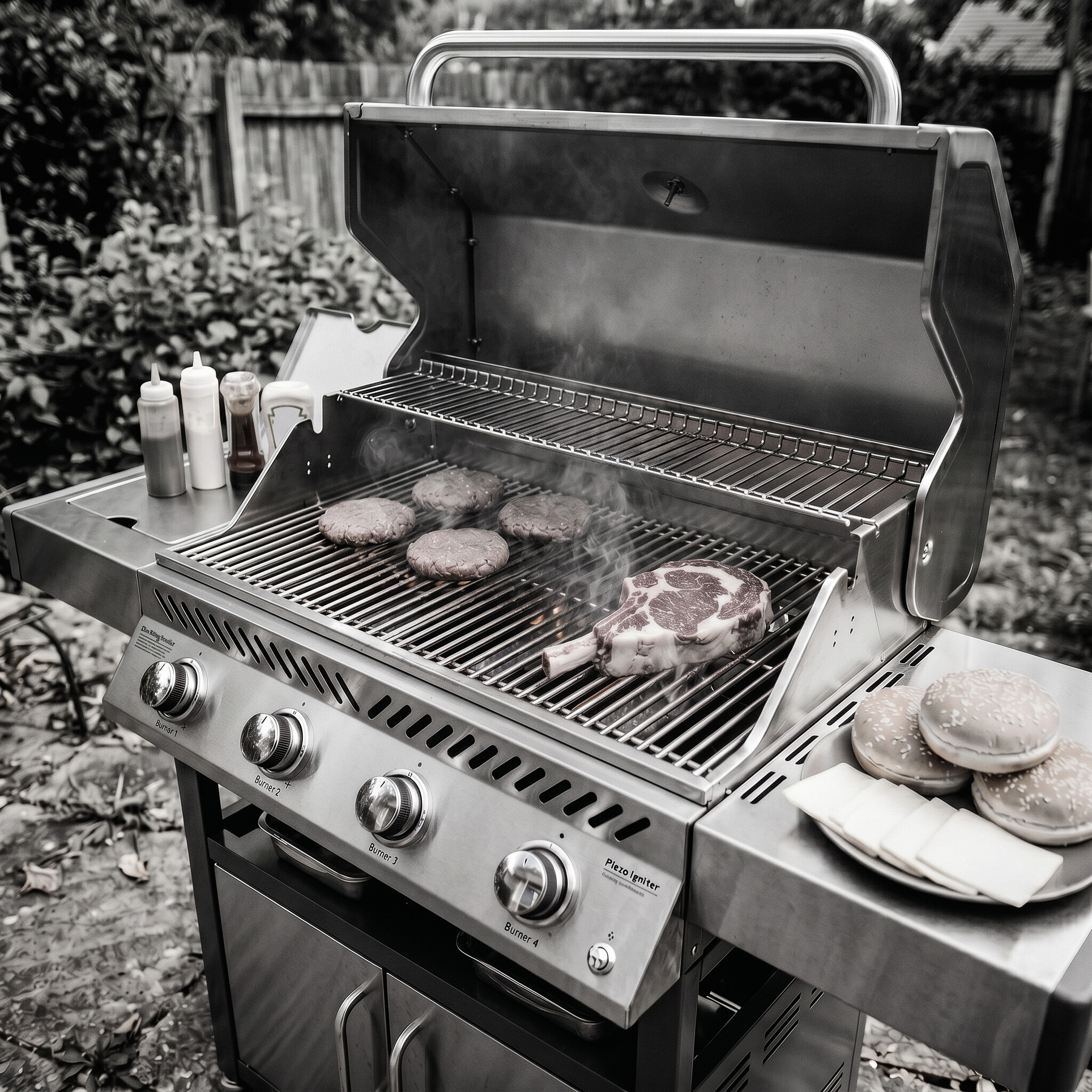
- Turn the grill to high with the lid closed for 10 to 15 minutes. You’ll know it’s ready when the thermometer hits your target temperature, or you can hold your hand a few inches above the grates for about two to three seconds before it feels too hot.
- Once the grill is hot, grab a sturdy grill brush and clean the grates. Doing this when it’s hot makes cleaning easier and removes any residue that could mess with flavor or cause sticking.
- Lightly oil the grates. I fold a paper towel (or an herb brush), dip it in vegetable oil, and use tongs to run it over the grates. A thin coat helps keep burgers and steaks from sticking, but won’t cause a flare-up.
- Adjust the burners or charcoal setup to your desired cooking temperature. If you’re doing a reverse search, set up a two-zone fire. For direct searing, keep things hot and even. Now you’re ready to cook like a pro.
OK, following a consistent preheat routine transforms backyard grilling into something a lot more fun. The results are totally worth it: clean release, better flavor, and way more confidence with every meal. Plus, you’ll notice you make fewer mistakes, and even beginner grillers will get a confidence boost from that perfect grill mark and juicy bite.
Other Factors Worth Paying Attention To: Even More Ways Preheating Matters
While skipping preheating is a biggie, some related steps can give a boost to your grilling game:
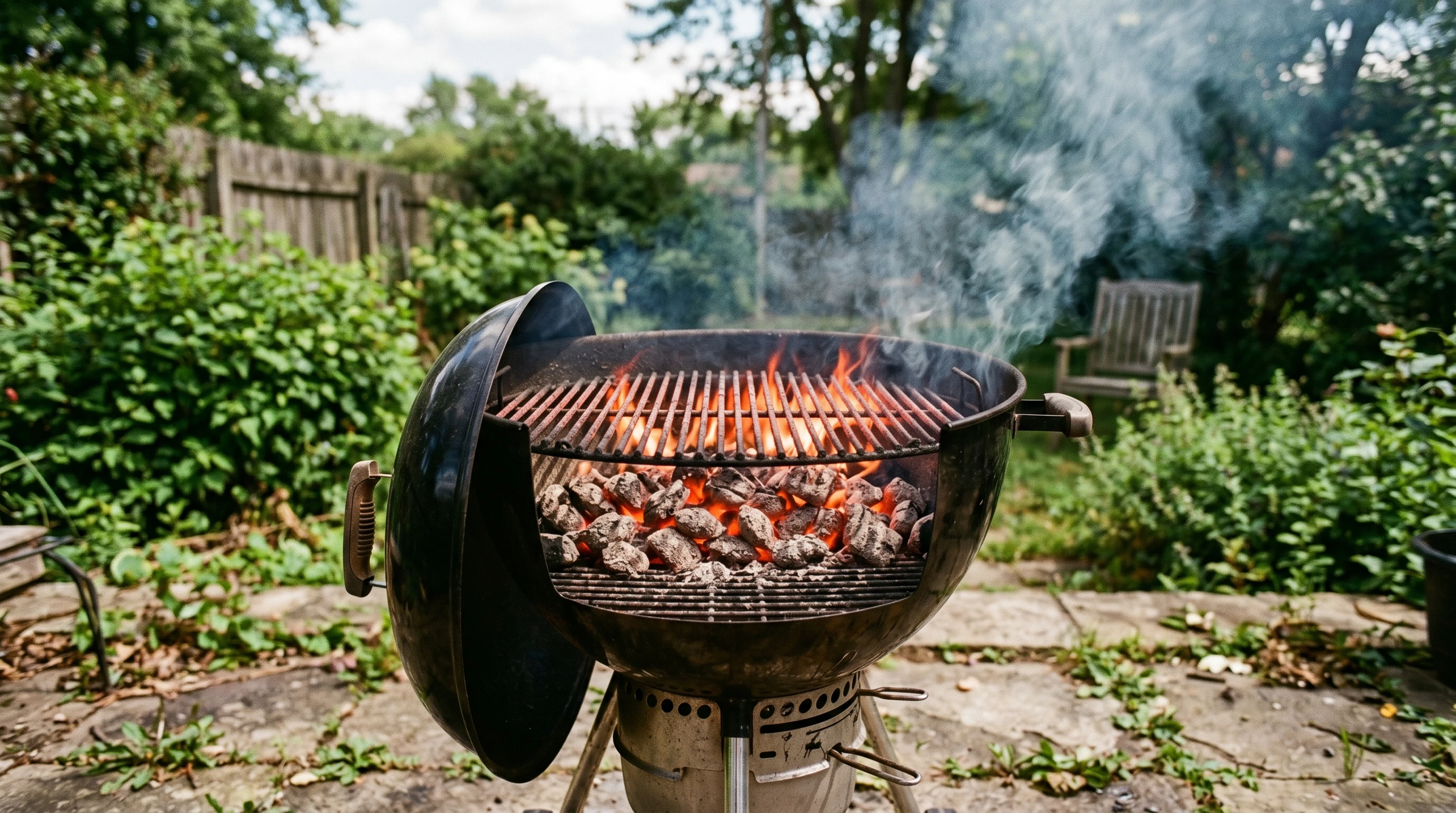
- Preheat even with charcoal grills: Letting the coals turn completely ashed and hot is just as important as preheating a gas grill. Rushing charcoal cooking leads to the same sticking and flavor problems.
- Grill thermometer checks: Built-in thermometers can be wonky. Using a digital grill thermometer or an infrared thermometer helps you know exactly what temperature you’re working with.
- Lid position matters: Keeping the lid closed during preheating builds proper convection, so the whole grill, not just the grates, gets hot enough for great searing.
By spending just a few extra minutes preheating, you not only ensure better texture and flavor but also set yourself up for easier cleanup and much more predictable results.
Quick Reference: Common Preheating Times
- Gas grills: 10 to 15 minutes on high heat with lid closed
- Charcoal grills: Wait for coals to turn mostly white or gray and hot, usually 15 to 20 minutes after lighting
Keep these times handy if you’re grilling in different outdoor weather. Wind and cold can sometimes extend the time you need, so always check your target temperature with a reliable thermometer to ensure accuracy.
Burgers vs. Steaks: How Preheating Impacts Each
Burgers and steaks are different beasts on the grill, and preheating affects each one in distinct ways.
- Burgers: Need superhot grates for a crusty, caramelized exterior and a juicy, tender inside. Without that heat, they cook slowly and stick, losing their shape and a lot of their juice.
- Steaks: Thrive on direct, high heat for a quick sear that locks in flavor and creates a craveable crust. With a cold grill, you don’t get that sear, and you risk gray, tough meat that’s way less impressive on the plate.
Whether I’m grilling ground beef patties or splurging on a ribeye, that hot grill is my best friend for results that wow at the table. Matching your grill’s heat to your protein is a lesson every griller learns, and it starts with those first sizzling moments on properly heated metal.
Frequently Asked Questions
Why do burgers and steaks stick to the grill if I don’t preheat?
Cold metal reacts with proteins in the meat, causing them to bond and lock in place. Hot grates almost instantly sear the surface, so the meat pulls away much more easily when flipped. A nonstick result takes more than just fancy grill grates; heat is the real key.
How do I know if my grill is preheated enough?
On a gas grill, check the built-in thermometer or do a quick hand test: hold your open palm about five inches above the grates. If you can’t hold it there for more than two or three seconds, you’re hot enough. With charcoal, look for coals covered in white ash and glowing red underneath.
Is preheating less important if I’m using nonstick grill grates?
Preheating is still super important, even with nonstick grates. Without enough heat, you lose sear, and flavor won’t develop the same way.
Can I preheat for too long and damage my grill?
Modern gas and charcoal grills are built to withstand high heat for extended periods. If you follow the manufacturer’s instructions and keep an eye on very high temps, you’ll be fine. It’s rare to damage a grill just by preheating for 10 to 15 minutes.
Why does hot and fast grilling matter so much for steak?
Fast heat creates that deep brown crust on the outside of the steak while keeping the inside juicy and at your desired doneness. This combination is what makes restaurant steaks so memorable and delicious. The right sear is all about locking in those juices and building next-level cool flavor in every bite.
Getting the Most Out of Your Grill: Beyond Preheating
Once you nail the preheating habit, there are a couple of other tips I recommend for grilling burgers and steaks:
- Pat the meat dry with a paper towel before grilling; this helps develop a crust rather than steaming your food.
- Season just before cooking for the best flavor and texture, especially with salt and pepper.
- Let meat rest a few minutes after removing from the grill; this keeps juices where you want them, inside your burger or steak.
- Invest in a reliable digital meat thermometer to ensure perfect doneness every time. Guesswork is fine for pros, but a thermometer is a game-changer for most of us.
Building these habits, along with a reliable preheat, means you can count on juicy, flavorful burgers and steaks that are seriously satisfying every single time you fire up the grill.
There’s no secret trick. Just a little patience and the right prep set you up for grilling success, whether you’re throwing a last-minute cookout or prepping for a weekend barbecue. With these steps, your grilling adventure will become something to enjoy all season long, offering stellar results that friends and family will look forward to again and again.
Fundamentally, skipping the preheat step results in dry, flavorless, and unevenly cooked meat that sticks to the grates, leading to frustration and disappointing results.
A simple routine—heating the grill to high with the lid closed for 10–15 minutes, cleaning and oiling the grates, and adjusting the temperature to the right level—ensures even cooking and great flavor every time.
These practical tips for gas and charcoal grills affect preheating for burgers, steaks, and many other foods. In short, a few extra minutes spent preheating transform grilling from hit-or-miss to reliably delicious, making your cookouts a hit with family and friends.